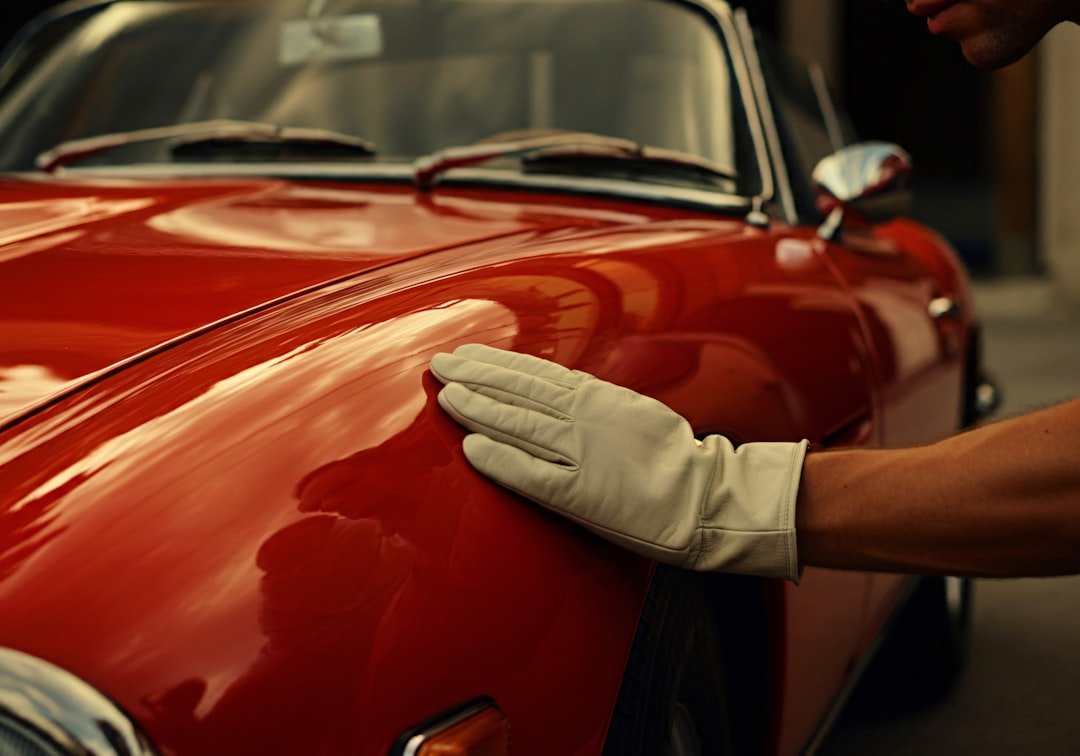
The best all season car wax does more than make your car look showroom-ready—it protects your paint from UV rays, salt spray, and oxidation all year without needing seasonal swaps. If you’re tired of seeing that protective layer wash away after three weeks or spending hours buffing your car, you need a best all season car wax that actually delivers both shine protection and easy application. Most people don’t realize that wax quality matters far more than frequency, and the right formula can simplify your entire detailing routine.
Why All Season Car Wax Matters More Than You Think
Your car’s clear coat faces constant assault. Rain, UV exposure, bird droppings, tree sap, and road salt all break down that protective layer. You’d think any wax works equally—it usually doesn’t. I’ve been using dedicated all season wax for five years now, and the difference between a budget product and a quality best all season car wax shows up around week six when cheaper options start beading poorly and washing away. The best all season car wax bridges the gap between synthetic sealants and traditional paste waxes, offering real protection without the mess or application time that keeps most weekend warriors from actually waxing their cars regularly.
Proper protection means fewer paint corrections down the road.
When you invest in shine protection, you’re preventing oxidation, water spots, and swirl marks that would otherwise require expensive polishing or compound work. A quality best all season car wax creates a hydrophobic barrier that makes washing easier too—water beads and runs off instead of pooling on your paint. I’ve seen so many drivers skip waxing entirely because they think it’s complicated or time-consuming, but the best all season car wax products today offer easy application that rivals spray-on products while lasting months longer.
| Wax Type | Durability | Shine Protection | Ease of Application | Best For |
|---|---|---|---|---|
| All Season Carnauba Blend | 8-12 weeks | Deep, warm shine | Easy to moderate | All climates, professional look |
| Synthetic Polymer Wax | 12-16 weeks | Clear, modern finish | Very easy | Busy owners, all seasons |
| Liquid All Season Wax | 10-14 weeks | High gloss | Extremely easy | First-time users, quick application |
| Paste Traditional Wax | 6-8 weeks | Maximum warmth | Labor-intensive | Experienced detailers, show vehicles |
What to Look For in a Best All Season Car Wax
Not all formulas perform the same. The best all season car wax contains either carnauba (natural wax from palm trees), synthetic polymers, or a hybrid blend. Carnauba delivers that deep, warm shine enthusiasts love, but it breaks down faster in harsh climates. Synthetic polymers last longer and offer easy application, making them ideal for all season protection in varying weather. Check the UV blocker content—this is what stops your paint from oxidizing under intense sunlight. Look for products that specifically mention water beading duration; a quality best all season car wax should maintain that bead for at least eight weeks in normal conditions.
Shine protection matters, but application method determines whether you’ll actually use the product.
Spray waxes feel convenient but wash away in two to three weeks. Paste wax lasts longer but requires serious elbow work. The best all season car wax for most drivers combines both: easy application that takes 20-30 minutes, not two hours, with 10-14 weeks of reliable protection. Read reviews specifically from your climate zone—a wax that works great in Arizona might perform differently in humid coastal areas where salt exposure and moisture create different challenges for shine protection and paint longevity.
Key Specifications to Compare
- Carnauba content percentage or synthetic polymer type
- Expected durability in weeks at typical mileage
- Water beading and sheeting performance ratings
- UV protection SPF equivalent or blocker percentage, if listed
- Application method and time required, which directly affects whether easy application remains easy
- Compatibility with ceramic coatings if your car already has one
How to Apply Best All Season Car Wax Correctly
Condition: Your Vehicle’s Current State
Before applying any best all season car wax, your paint must be clean and dry. Dirt and water trapped under wax prevent shine protection and create uneven coverage. Wash your car with pH-balanced soap, rinse thoroughly, and dry completely with a microfiber towel. If your paint shows oxidation or water spots, consider a light clay bar treatment first—this removes bonded contaminants and lets the wax adhere better. On new cars or those already waxed regularly, you can apply directly. On neglected paint, a pre-wax polish ensures maximum shine protection and even easy application across all surfaces.
Audience: Who This Works For
This method suits every skill level. Beginners find liquid or spray-on best all season car wax formulas simplest because they require minimal buffing. Experienced detailers prefer paste formulas for maximum control and depth of shine protection. Anyone with 30 minutes and basic tools—one applicator pad and one buffing towel—can achieve professional results with the best all season car wax.
Method: Overview of the Process
You’ll apply wax in thin, even coats, wait for it to haze, then buff to a high shine. The entire process involves four core steps: prep, apply, wait, and buff. Most people give up during the buffing stage because they either apply too much wax upfront or use the wrong buffing cloth. Don’t. Thin layers buff faster and look better than thick ones. This is the part that actually matters—more wax doesn’t equal more shine protection; it just means more work removing excess.
Step-by-Step Application Process
- Wash and completely dry your vehicle with a microfiber drying towel, ensuring no water beads remain on the paint.
- Choose a shaded area and work in sections, starting with the hood or roof to establish rhythm before moving to more visible panels.
- Apply the best all season car wax using thin, circular motions with a foam applicator pad, covering roughly two square feet per section without pressing hard.
- Allow the wax to haze for 3-5 minutes—this means it dries slightly and becomes ready to buff without rolling up or creating streaks.
- Buff the section thoroughly with a clean, soft microfiber towel using straight lines or circular motions, removing all haze until the paint shines without residue.
- Move to the next section and repeat until the entire vehicle receives a single coat of best all season car wax.
- Wait 24 hours before exposing your car to rain or washing, allowing the wax to fully bond with the clear coat for optimal shine protection.
Warnings and Common Mistakes
Don’t apply wax in direct sunlight or when temperatures exceed 85°F—heat makes the wax dry too quickly and causes streaking. Never use one microfiber towel for both wiping away excess wax and final buffing; use a fresh towel for the buff stage to avoid dragging old residue back onto the paint. Don’t apply two coats immediately; one layer of quality best all season car wax provides superior shine protection to two coats of inferior product. Allow full curing time before washing—24 hours minimum. If you’re working with a liquid or spray best all season car wax, shake it thoroughly and test on a small inconspicuous area first to confirm easy application and color accuracy.
My Picks for This
- Meguiar’s Ultimate Liquid Wax delivers easy application without the mess, offering 12-16 weeks of shine protection even in challenging weather.
- Turtle Wax ProFinish 8-Hour Plus combines spray convenience with extended durability, making it ideal for busy owners who refuse to sacrifice shine protection.
- Griot’s Garage Liquid Wax provides deep carnauba shine protection with easy application that yields professional results within 30 minutes.
- Collinite 845 Insulator Wax remains the standard for hybrid drivers and all-weather conditions, delivering 16+ weeks of protection despite requiring moderate application effort.
- Chemical Guys EZ Creme Wax offers the easiest application of any paste wax alternative, perfect for first-time users wanting traditional shine protection without professional-level difficulty.
When to Reapply Your Best All Season Car Wax
Most quality best all season car wax products last 10-14 weeks under normal driving conditions. Test it using the water bead method: spray water on your car’s hood. If the water beads up and runs off, your wax is still working. If water sheets flat or soaks into the paint, reapplication time has arrived. High-mileage drivers in salt climates should reapply every 8-10 weeks. Those in dry climates might stretch it to 16 weeks. Keep a simple calendar reminder—this prevents the awkward situation where you forget whether you waxed three months or six months ago. Consistency matters more than perfection; applying an average best all season car wax every 12 weeks beats occasionally using premium products with months-long gaps between applications.
Track your application dates for easier maintenance planning.
Frequently Asked Questions (FAQ)
Q1. How much does a quality best all season car wax cost?
Prices range from $10-$40 per bottle depending on volume and brand reputation. A single bottle typically covers 3-6 vehicles, making per-application costs quite low. Premium synthetic formulas run higher but often cost less per application due to extended durability.
Q2. Can I use the best all season car wax on my truck’s bed cover or plastic trim?
Standard car wax works on clear coat paint but may leave streaks on plastics or rubber. Specialized trim wax or protectants exist for non-paint surfaces. Always test on an inconspicuous area first—some best all season car wax formulas bond well to matte finishes while others create spotting.
Q3. What’s the difference between the best all season car wax and ceramic coating?
Ceramic coatings last 1-3 years and require professional installation costing $500-$2000. The best all season car wax costs far less, applies easily at home, and provides excellent shine protection for most drivers. Choose wax for simplicity and flexibility; choose ceramic coatings for extreme durability and reduced maintenance.
Q4. Should I use the best all season car wax if my car already has a ceramic coating?
Most ceramic coatings don’t need wax. However, some detailers apply a light top coat every 6-12 months for additional shine protection. Check your ceramic coating warranty first—some void protection if non-approved products are applied. When in doubt, contact your installer before applying any best all season car wax over ceramic coatings.
Q5. Is there a best all season car wax for black cars specifically?
Black paint shows everything, including wax streaks and dust. Choose liquid best all season car wax formulas or spray options for easier buffing and more even coverage. Apply thinner coats than you would on other colors, and buff more thoroughly to eliminate residue and maximize that deep shine protection black paint demands.
Q6. Can I apply the best all season car wax at temperatures below 50°F?
Most wax formulas don’t apply evenly in cold temperatures. The product becomes too thick, making easy application impossible and creating thick, streaky coverage. Wait for temperatures above 55°F for optimal results. In winter climates, wax during warmer afternoon hours or in a garage.
Recommended Maintenance Checklist
- Wash your vehicle every 2 weeks with pH-balanced soap to preserve shine protection
- Dry completely with microfiber towels to prevent water spots between waxing
- Perform the water bead test monthly to monitor best all season car wax effectiveness
- Reapply best all season car wax every 10-14 weeks depending on climate and mileage
- Clay bar treat your paint annually before the first wax application of the season
- Store wax in a cool, dry location away from direct sunlight to maintain consistency and performance
- Keep a maintenance log noting wax brand, application date, and weather conditions for future reference
Related posts
This post is for informational purposes only and does not constitute professional mechanical advice, legal advice, financial advice, or insurance guidance. Automotive repairs, installations, and modifications involve inherent risks — always consult a certified mechanic or licensed professional before performing any work on your vehicle. Car prices, insurance rates, EV tax credits, product specs, and availability are subject to change without notice and may vary by location, dealership, and individual circumstances. Always verify current details directly with manufacturers, retailers, dealerships, insurance providers, and relevant government agencies before making any purchase or financial decision. Fuel economy figures, EV range estimates, and performance data referenced in this post are based on manufacturer or third-party estimates and may differ from real-world results. This site may contain affiliate links — if you purchase through our links, we may earn a commission at no additional cost to you. Product recommendations are based on general research and editorial judgment; we do not guarantee suitability for your specific vehicle, driving conditions, or personal situation. Always read product instructions, vehicle owner manuals, and safety warnings before use.