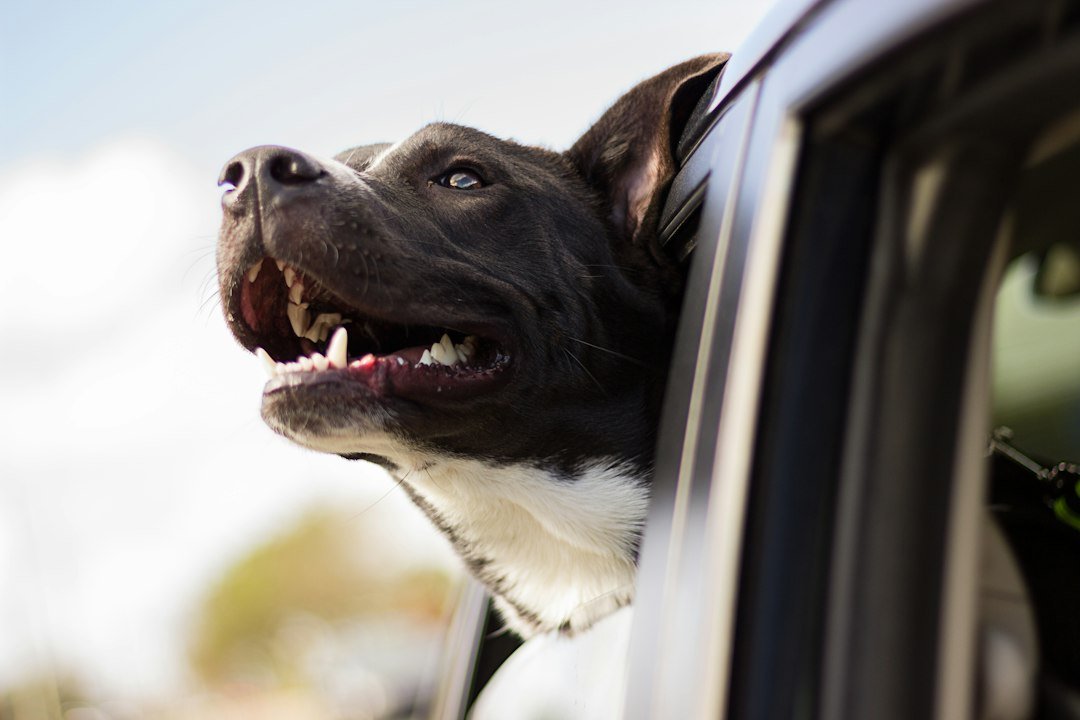
If you’re driving an SUV with a dog in the back seat, you need a proper pet barrier to keep both your dog and your cargo safe during travel. The best pet barrier for SUVs isn’t just about restraint—it’s about preventing your dog from becoming a 70-pound projectile during sudden braking or sharp turns. Safe travel for dogs and cargo alike depends on choosing the right barrier type, installing it correctly, and understanding how different designs work with your specific SUV layout.
Why Pet Barriers Matter More Than You Think
You’d think a dog naturally stays in the back of an moving vehicle. Most don’t. I’ve been using pet barriers for years, and I can tell you that even the calmest dog becomes a hazard in an emergency stop.
Unrestrained dogs shift weight during turns, block your rear view, and jump forward during hard braking. Insurance claims from pet-related accidents are climbing, and many policies now ask whether you transport pets and how. A crash at just 35 mph can send an unrestrained dog through your windshield with the force of 1,000 pounds—enough to kill both your pet and you.
| Barrier Type | Best For | Price Range | Installation Time |
|---|---|---|---|
| Cargo Net | Small dogs, minimal budget | $25–$60 | 10 minutes |
| Wire Mesh Barrier | Medium to large dogs, SUVs with cargo areas | $150–$400 | 30–45 minutes |
| Adjustable Metal Gate | Maximum durability, frequent travel | $200–$600 | 20–40 minutes |
| Seat Divider | Dogs riding in second row, keeps cabin clear | $100–$350 | 15–20 minutes |
Types of Pet Barriers and How They Work
Wire mesh barriers are the industry standard for serious dog owners. They bolt or clamp to your SUV’s cargo area frame and create a physical wall between your rear cargo zone and the cabin. Most people don’t realize that wire mesh barriers also improve airflow compared to solid partitions—your dog stays cooler and can see out the side windows.
Adjustable metal gates slide into existing cargo rails and work with almost any SUV model made after 2010. They’re installed without tools in many cases. The downside? They won’t restrain a panicked 80-pound shepherd from crashing into your back seat during emergency maneuvers.
Seat dividers attach directly to your second-row headrests and seat backs, turning the back half of your cabin into a dog zone. These work best if you don’t regularly need maximum cargo space. I’ve been recommending seat dividers to owners of three-row SUVs who only travel with one or two dogs.
Why Cargo Nets Aren’t Enough Alone
Cargo nets are cheap, lightweight, and easy to install. They fail spectacularly during real accidents. A net alone doesn’t stop a dog from lunging into your lap—it just catches loose items. If safe travel for dogs and cargo is your actual goal, pair nets with a heavier barrier or use them only for securing loose gear around a proper fence.
Choosing the Best Pet Barrier for Your SUV
Step 1: Measure Your Cargo Area Dimensions
Open your hatch and measure the width, height, and depth of your cargo space where the barrier will sit. Check your vehicle manual for exact dimensions if it’s hard to reach. Most SUVs have cargo width between 50 and 55 inches—but some compacts come in at 47 inches.
Step 2: Check Your Dog’s Size and Jumping Height
A barrier must be tall enough that your dog can’t vault over it even when jumping. A six-foot barrier is standard and works for most dogs. Measure your dog standing on hind legs and add four inches for safety clearance.
Step 3: Test Fit Before Buying
If the barrier requires bolting or clamping, ask the retailer about their return policy for items that don’t fit your specific SUV model year. Some Toyota RAV4 models have slightly different cargo configurations year to year. This is where most people give up—they assume all barriers fit all SUVs.
Step 4: Installation
- Remove any removable cargo area floor liners or mats
- Position the barrier against the back of the second row of seats (or against the cabin wall for cargo-only barriers)
- Align all mounting holes with anchor points on your SUV frame
- Insert bolts or tighten clamps—hand-tight first, then use tools for final pressure
- Test stability by pushing the barrier from the dog side with moderate force; it should not shift
- Place your dog in the cargo area and take a slow 5-minute drive to test comfort and behavior
Step 5: Verify Safe Travel for Dogs and Cargo Before Long Trips
This is the part that actually matters. After installation, drive around your neighborhood at normal speeds for a few miles. Watch how your dog reacts to the barrier. Listen for rattling or movement. If the barrier shifts or your dog panics, adjust mounting tension or try a different barrier type.
Checklist: What to Look for in the Best Pet Barrier for SUVs
- Mounting system matches your SUV’s cargo area (bolts to frame, clamps to existing rails, or sits freely)
- Height prevents your dog from jumping over even when standing on hind legs
- Width spans the full cargo area without leaving gaps
- Material is either sturdy steel mesh or powder-coated aluminum—never plastic-only constructions
- Ventilation allows airflow so your dog doesn’t overheat during stops
- Removable or foldable design if you need full cargo space on some trips
- Warranty covers manufacturing defects for at least one year
- Return policy allows testing with your actual SUV and dog before committing
My Picks for This
- Travall Guard — Modular wire mesh system that fits most major SUV models and installs without tools, ideal for owners who swap between vehicles or rent cars with dogs.
- Swtony Metal Pet Barrier — Sturdy adjustable metal gate with quick-release clamps, perfect for smaller SUVs and those who want maximum cargo access on days without dogs.
- Kurgo Barrier Backseat — Headrest-mounted divider that lets dogs ride in a dedicated rear zone while keeping your front cabin clean and distraction-free.
- Valeo Automotive Pet Barrier — Heavy-duty steel construction with integrated storage pockets for leashes and toys, built specifically for trucks and full-size SUVs.
- PetSafe Cargo Area Containment — Lightweight foldable mesh system that stores flat when not in use, best for occasional long-distance travel.
Frequently Asked Questions (FAQ)
Q1. How much does a quality pet barrier for SUVs cost?
Prices vary from under $50 for basic cargo nets to $400–$600 for heavy-duty adjustable metal gates. Most drivers find good mid-range options between $150–$300 that work reliably for 5+ years.
Q2. Can I install a pet barrier myself, or do I need a mechanic?
Most pet barriers install in under an hour with just basic hand tools or no tools at all. If your SUV requires interior trim removal or seat rail drilling, visit a shop instead. This typically costs $75–$200 in labor.
Q3. Will a pet barrier reduce my cargo space too much?
Wire mesh and seat dividers reduce usable cargo depth by 12–18 inches. Adjustable gates mounted to existing rails take almost no depth. If cargo space is critical on most trips, choose a gate-style barrier and reserve the wire mesh system for dog-only outings.
Q4. What if my dog has anxiety or tends to panic in confined spaces?
Start with short 5-minute drives in a quiet area before long trips. Use positive reinforcement—treats and praise when your dog stays calm. If panic persists, consult a veterinary behaviorist; medication or desensitization training may help more than barrier design changes.
Q5. Do pet barriers work with all SUV models?
Most barriers fit common SUV models like Toyota RAV4, Honda CR-V, Mazda CX-5, and Hyundai Tucson without modification. Older vehicles or unusual models may require custom fitting or adapter kits. Always verify fit with the seller before purchasing.
Q6. Is a pet barrier required by law?
Most US states don’t legally require pet restraint, but many auto insurance policies ask about unrestrained pet transport and may deny claims related to pet incidents. Some states are moving toward pet safety laws. Check your local regulations and insurance terms.
Q7. Can I use a pet barrier for cargo only without a dog?
Yes. Any pet barrier rated for your SUV works as a cargo containment system. Wire mesh barriers are actually excellent for securing loose items during braking or turns—they protect cabin occupants just as they protect dogs.
This post is for informational purposes only and does not constitute professional mechanical advice, legal advice, financial advice, or insurance guidance. Automotive repairs, installations, and modifications involve inherent risks — always consult a certified mechanic or licensed professional before performing any work on your vehicle. Car prices, insurance rates, EV tax credits, product specs, and availability are subject to change without notice and may vary by location, dealership, and individual circumstances. Always verify current details directly with manufacturers, retailers, dealerships, insurance providers, and relevant government agencies before making any purchase or financial decision. Fuel economy figures, EV range estimates, and performance data referenced in this post are based on manufacturer or third-party estimates and may differ from real-world results. This site may contain affiliate links — if you purchase through our links, we may earn a commission at no additional cost to you. Product recommendations are based on general research and editorial judgment; we do not guarantee suitability for your specific vehicle, driving conditions, or personal situation. Always read product instructions, vehicle owner manuals, and safety warnings before use.