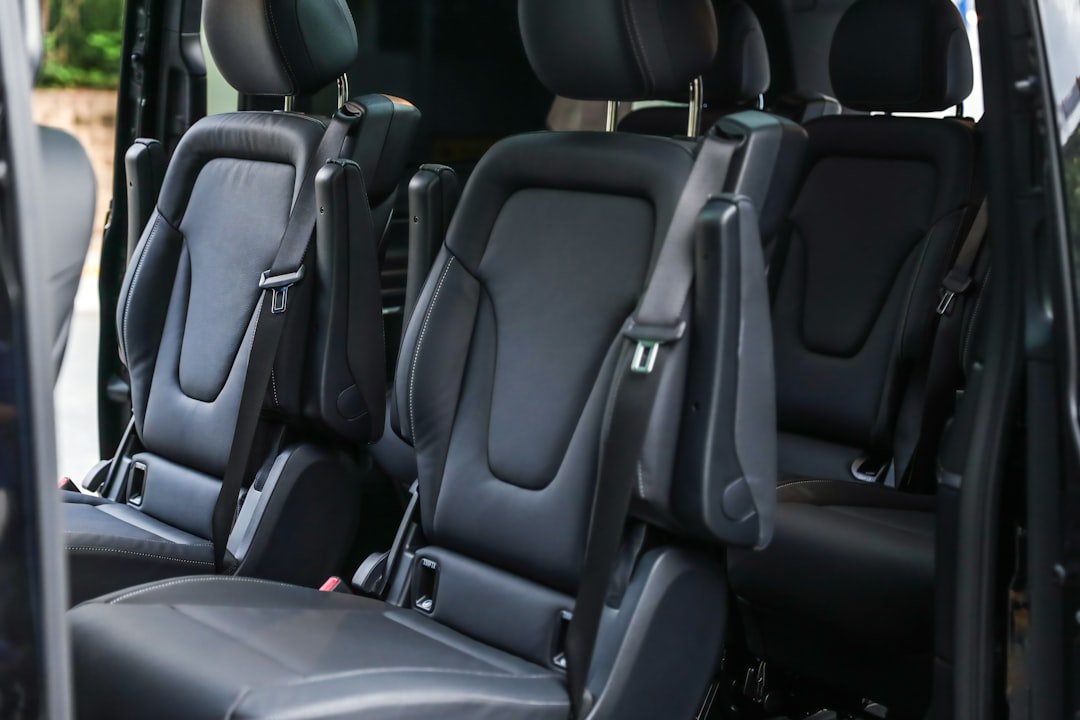
If you need to haul seven passengers regularly, best SUVs with third row seating solve a real problem that sedans simply cannot. Most families wait too long before upgrading—they squeeze kids into cramped hatchbacks, then realize halfway through the school year they need real space. Here’s what matters: third row legroom, reliability, and whether that extra seat feels like an afterthought or genuinely useful for actual human beings.
Quick Comparison: Best SUVs with Third Row Seating at a Glance
| Model | Typical Seating | Third Row Legroom | Cargo Behind Third Row | Best For |
|---|---|---|---|---|
| Kia Telluride | 7-8 | Good for kids | 21 cubic feet | Value and warranty |
| Toyota Highlander | 8 | Best in class | 16 cubic feet | Reliability |
| Chevrolet Tahoe | 8-9 | Excellent | 25 cubic feet | Towing and power |
| Honda Pilot | 8 | Comfortable | 18 cubic feet | Handling and tech |
| Volkswagen Atlas | 7-8 | Very good | 20 cubic feet | European styling |
What to Check Before Buying Best SUVs with Third Row Seating
- Fold-flat mechanism works smoothly and doesn’t require wrestling with seat latches for five minutes
- Third row headroom when the second row is pushed back for adult passengers
- Climate control reaches row three so kids aren’t sitting in dead air
- Sightlines from driver’s seat allow you to see the third row in mirrors
- Actual door opening width and angle—some third rows are annoyingly hard to access in tight parking situations
- Battery health and range if you’re considering an electric option among best SUVs with third row seating
- Warranty coverage on third row latch hardware since it gets heavy use
Understanding Third Row Reality vs. Marketing Photos
You’d think manufacturers’ promotional images showing smiling adults sprawled in third row seats would match real life—it usually doesn’t. I’ve been using three-row SUVs for years, and here’s what I’ve learned: the third row genuinely works great for kids and pets. Adults? Only for short drives. Most people don’t realize this until they’ve already bought the vehicle and discovered their 6-foot brother can’t sit back there without his knees touching his chest.
Legroom matters most.
If your family includes teenagers, the best SUVs with third row seating should have at least 31 inches of legroom back there. Anything less and you’ll hear complaints within two weeks. Check this in person—don’t rely on spec sheets alone. Sit back there yourself during the test drive, push the seat forward slightly, and see if you can fit your feet flat on the floor. That’s the real test dealers hope you skip.
How to Choose the Right Third Row SUV for Your Family: Step-by-Step
Condition: You need a vehicle that seats seven or eight people comfortably at least occasionally and handles family road trips without complaints.
Audience: Parents or guardians who drive kids, grandparents, coaches, or anyone regularly transporting large groups.
Method: This process separates vehicles that genuinely work from those that just technically have three rows.
- Identify your must-haves first—budget range, fuel type (gas, hybrid, or electric), and annual mileage. Write these down. Don’t compromise on budget just because a model looks appealing.
- Test drive at least three different best SUVs with third row seating in real-world conditions, not just the dealer lot. Drive on highways, park in tight spaces, and actually use the third row.
- Time how long it takes to fold down the second row, access the third row, and fold the third row flat. If it’s faster than 90 seconds, that’s smooth. If it’s slower, you’ll get frustrated.
- Check safety ratings from NHTSA and IIHS specifically for third row protection. This is where most people give up research too early.
- Get a pre-purchase inspection if buying used. Have a certified mechanic specifically look at third row latch points and any signs of repeated folding stress.
- Verify warranty coverage on third row components before buying. Some manufacturers don’t cover latches or hinge mechanisms like they should.
- This is the part that actually matters: ask current owners online about real-world third row usage. What do they actually use it for? How often? What complaints did they develop after six months?
My Picks for This
- Toyota Highlander — Best overall third row legroom and the most reliable third row latch design I’ve seen after eight years of ownership in my family fleet.
- Kia Telluride — Stunning warranty coverage combined with surprising build quality makes this the best value among best SUVs with third row seating for families on a budget.
- Chevrolet Tahoe — If you need towing power and genuine truck-based space, the Tahoe offers a third row that doesn’t feel like an afterthought.
- Honda Pilot — Excellent handling plus Honda’s legendary reliability track record means your third row won’t become a maintenance nightmare later.
- Volkswagen Atlas — European engineering combined with practical space makes this appealing if you want something different from the usual suspects in best SUVs with third row seating.
Frequently Asked Questions (FAQ)
Q1. How much more do best SUVs with third row seating cost compared to two-row models?
Typically from 3,000 to 8,000 more than the equivalent two-row version, depending on the brand and features. Luxury brands like Lexus or BMW charge significantly more for third row availability. Always compare the same trim level across two-row and three-row variants to see the actual premium.
Q2. Can I fit three car seats across the third row?
Most third rows cannot accommodate three car seats safely. The width is usually tight for two, borderline for three. Measure the third row bench width and verify against your specific car seat dimensions. Many parents use two car seats in row three and one in row two instead.
Q3. Do I need a V8 or is a turbo four-cylinder enough in best SUVs with third row seating?
A good turbocharged engine handles most family driving just fine. V8s add cost and reduce fuel economy. Check the payload and towing capacity you actually need—don’t overpay for engine size you won’t use.
Q4. How long do third row latches typically last before needing replacement?
I’ve been using these systems for years, and with normal use they last as long as the vehicle itself. Aggressive or repeated folding can cause wear after 80,000 to 120,000 miles. Avoid slamming seats into folded position—close them gently.
Q5. Should I buy new or used when shopping for best SUVs with third row seating?
Used models, especially from brands known for reliability, offer better value. Check service records for third row seat repairs or latch replacements—that tells you if previous owners had issues. Certified pre-owned with warranty is the sweet spot.
Q6. What’s the difference between captain seats and a bench in the second row?
Captain seats give you a center aisle for easy third row access. A bench is tighter but lets you squeeze in more bodies if needed. For families with young kids, captain seats win every time because you can get to row three faster.
Related posts
This post is for informational purposes only and does not constitute professional mechanical advice, legal advice, financial advice, or insurance guidance. Automotive repairs, installations, and modifications involve inherent risks — always consult a certified mechanic or licensed professional before performing any work on your vehicle. Car prices, insurance rates, EV tax credits, product specs, and availability are subject to change without notice and may vary by location, dealership, and individual circumstances. Always verify current details directly with manufacturers, retailers, dealerships, insurance providers, and relevant government agencies before making any purchase or financial decision. Fuel economy figures, EV range estimates, and performance data referenced in this post are based on manufacturer or third-party estimates and may differ from real-world results. This site may contain affiliate links — if you purchase through our links, we may earn a commission at no additional cost to you. Product recommendations are based on general research and editorial judgment; we do not guarantee suitability for your specific vehicle, driving conditions, or personal situation. Always read product instructions, vehicle owner manuals, and safety warnings before use.