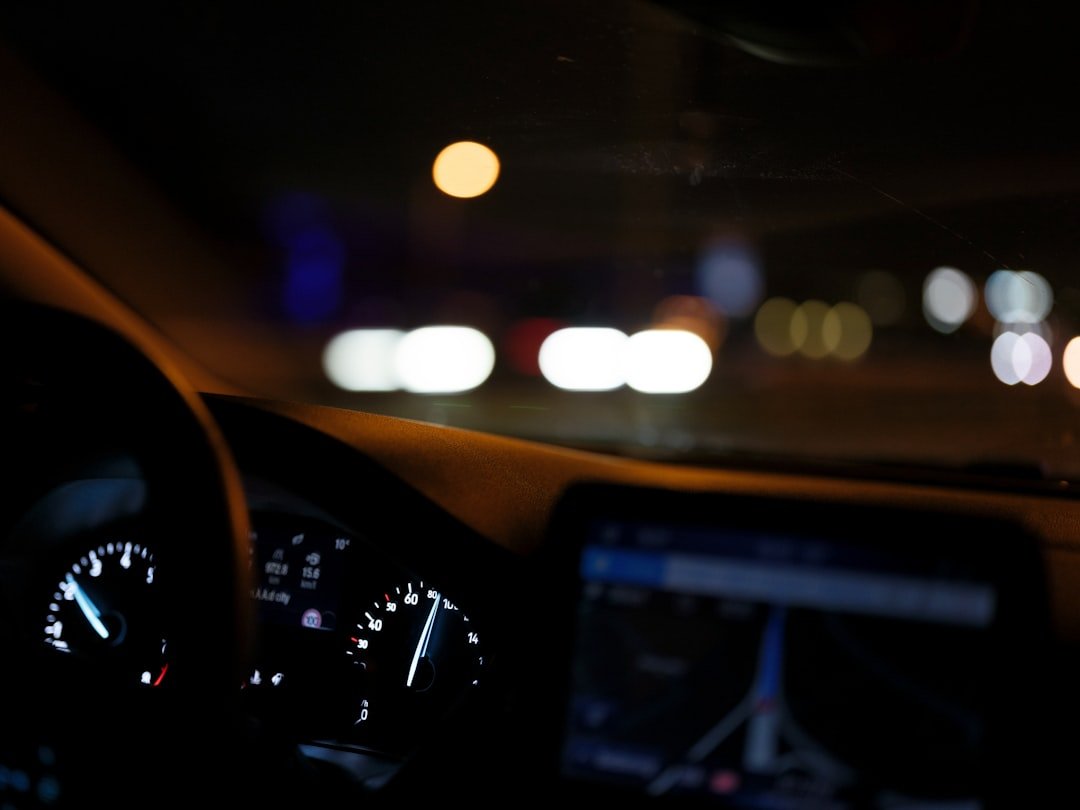
Rain on black pavement, headlights in the mirrors, and a car edging out of a side street are where a best dash cam with night vision earns its place. The best dash cam with night vision for nighttime driving should capture usable plates, lane markings, and vehicle movement without turning every dark area into a grainy blur. Darkness hides detail.
There is no single camera that wins for every driver. A compact front camera may suit a commuter who parks in a secure garage, while a wired front-and-rear system with parking surveillance makes more sense for a street-parked SUV. The right choice depends on where you drive, how you park, and whether you need proof after an incident or simply want a record of the road. Start there.
What makes the best dash cam with night vision work
Night vision in a dash cam does not mean the camera sees in total darkness like a military night-vision device. It means the camera sensor, lens, processor, and software can make better use of limited light from headlamps, streetlights, and nearby traffic. That distinction matters.
A camera can advertise 4K video and still struggle after sunset. Resolution gives the camera more pixels to work with, but a small, mediocre sensor can create noisy footage that looks sharp only when the car is stopped beneath a bright lamp. Sensor quality matters more.
Look for a dash cam using a modern low-light image sensor, often described by the manufacturer as a Sony STARVIS or STARVIS 2 sensor. These sensors are common in better cameras because they can hold onto more shadow detail and reduce grain when light drops, although the sensor name alone does not guarantee clear footage in every weather condition. Good processing counts too.
HDR, or high dynamic range, is another key item for nighttime driving. It helps the camera handle a bright set of headlights or a reflective license plate without making the rest of the scene completely black. A useful HDR system balances the exposure frame by frame. Basic cameras often cannot.
Do not shop by resolution alone. A well-tuned 1440p camera can produce more useful nighttime footage than a cheap 4K model that smears movement, crushes shadow detail, or applies heavy noise reduction that turns plates into soft blocks. Read real sample footage.
Focus on plates, motion, and exposure
License plate capture is the claim buyers care about most, but it has limits. At night, a plate reflects light while a car moves quickly, and the dash cam has only a fraction of a second to expose the image correctly. Physics wins sometimes.
A plate is easiest to read when both vehicles are moving slowly, the camera is close, and the area has decent light. It becomes harder to read when an oncoming vehicle passes at speed, its headlights point toward your windshield, and rain or a dirty windshield scatters that light across the image. No consumer dash cam reliably freezes every plate in those conditions.
Check published day and night sample clips at normal playback speed, then pause them. Watch cars crossing through an intersection, not only parked vehicles. If a review shows footage that has been heavily edited, sharpened, or cropped, treat it as marketing rather than a direct picture of what the camera records.
Bitrate also affects detail. A higher bitrate gives the camera more data for fine textures such as plate characters, road signs, and distant vehicles, but it fills the memory card sooner and creates larger files to review after an event. There is a trade-off.
Some cameras offer selectable exposure settings or a low-light mode. These can help, yet slower exposure may make dark scenes brighter at the cost of motion blur. For regular highway driving, footage that is slightly darker but less blurred is often more useful than a bright image where moving cars lose their edges.
Choose the camera layout before chasing specs
A front-only dash cam is the simplest setup and usually provides the strongest value if your priority is what happens ahead of the vehicle. It has fewer cables, costs less than a multi-channel kit, and is generally easier to remove or transfer to another car. Simple is good.
A front-and-rear system gives a fuller record of a rear-end collision, a tailgating vehicle, or damage while parked. The rear camera needs a cable routed through the cabin, which is straightforward on many sedans but can take more patience in a hatchback, wagon, truck, or SUV with a moving liftgate. Plan the routing first.
Three-channel cameras add an interior camera facing the cabin. They are useful for rideshare drivers, parents monitoring a newly licensed driver, or anyone who wants a record inside the vehicle, but the cabin view adds another angle to manage and may raise privacy concerns for passengers. Tell people when appropriate.
For nighttime driving, a front camera deserves the best sensor and highest priority. Rear footage is valuable, but rear windows are often dirtier, more tinted, or covered in water droplets, so even a good rear camera may have a tougher job after dark. Clean glass helps.
Parking mode is useful but needs proper power
Parking mode records impacts or movement while the vehicle is switched off. It can be valuable after a parking-lot scrape, a hit-and-run, or suspicious activity around a driveway, but it is not a free feature that works forever on the included cigarette-lighter cable. It needs power.
The usual options are a hardwire kit or a dedicated external battery pack. A hardwire kit connects the camera to the vehicle fuse box and normally includes a low-voltage cutoff, which shuts the camera down before the starter battery is discharged too far. Use a vehicle-specific installation guide.
A battery pack keeps the dash cam separate from the vehicle starter battery and can be a cleaner choice for frequent parking recording, especially in vehicles that sit for extended periods. It costs more and still needs charging while driving. Nothing runs indefinitely.
Look for buffered parking recording rather than impact-only recording if possible. Buffered mode saves a short clip from before an impact or detected movement, so you may see the approach as well as the bump itself. That context can matter.
Parking motion detection can be busy in a crowded street, windy area, or shared garage. Better cameras offer sensitivity controls, but even then you may collect plenty of clips caused by passing headlights or pedestrians. Check the app regularly.
Models and product types worth researching
Several established dash cam lines are commonly researched for stronger nighttime performance, though model availability, firmware, bundles, and prices vary by region. Verify the current specification sheet and recent sample footage before buying. Product generations change quickly.
The Viofo A229 Pro is often shortlisted by buyers who want a front-and-rear system with a high-resolution front camera, strong low-light hardware, and a more traditional screen-based dash cam design. Its appeal is image quality and channel flexibility, while the trade-off is a more involved installation once the rear camera and parking wiring are added. It is not tiny.
The Thinkware U3000 is commonly considered by drivers who place a high value on parking surveillance and a discreet, screenless installation. Thinkware has offered advanced parking functions on this line, but buyers should confirm exactly which modes, accessories, and hardwire requirements apply to the version sold in their market. The upfront cost can be higher.
The Vantrue N4 Pro is worth researching if an interior-facing camera is part of the plan. It is aimed at drivers who need front, rear, and cabin coverage, though more channels mean more file management, more wiring, and a cabin camera that may be unnecessary for a private daily driver. Buy the coverage you need.
A compact front-only camera from Garmin, Nextbase, or another major brand can make sense for drivers who want less windshield clutter and an easier installation. Small cameras are convenient, but compare their actual nighttime clips against larger units because a smaller body can mean fewer controls, a smaller display, or different heat management. Size has consequences.
Do not assume the most expensive unit is automatically best for your car. A mid-priced front-and-rear camera installed cleanly, paired with a quality memory card, and mounted behind the rearview mirror can be more useful than a premium model left loose on a long power cable. Setup affects results.
Do not overlook heat, memory cards, and mounting
Dash cams live in a hard environment. Summer heat behind a windshield can be severe, winter cold can slow electronics, and daily vibration works on mounts and connectors over time. Heat kills cheap hardware.
For hot climates, look for a camera that uses a capacitor rather than relying only on a small internal battery for saving the last clip after power is removed. Capacitor-based designs are generally preferred for heat tolerance, though you should still check the manufacturer temperature rating and warranty terms. Leave no camera baking unnecessarily.
Buy a high-endurance microSD card made for continuous recording. Standard phone or camera cards may work at first but can wear out faster under constant overwrite cycles, and a failed card can leave the dash cam apparently powered on while it is no longer saving usable footage. Format it on schedule.
Many dash cams recommend formatting the card periodically inside the camera. Monthly is a practical starting point for frequent drivers, but follow the camera maker’s instructions because formatting erases saved footage. Download anything important first.
Mount the front camera high on the windshield, close to the rearview mirror, without blocking your view of the road or interfering with vehicle sensors. Check local windshield-mounting rules before installation, especially if you cross state, provincial, or national borders. Placement laws differ.
Use these buying checks before you order
- Decide on coverage. Choose front only, front and rear, or front, rear, and cabin based on your actual parking and driving needs.
- Watch unedited night clips. Look for wet roads, oncoming headlights, moving traffic, and readable nearby plates.
- Confirm the sensor and HDR setup. Treat sensor branding as one clue, then judge the recorded video.
- Price the full installation. Include the hardwire kit, rear-camera cable, high-endurance card, and any battery pack.
- Check the app and file access. A camera is less useful if downloading a clip after an incident is frustrating or slow.
- Read current support information. Firmware updates, replacement mounts, and warranty handling can matter after the first year.
Here is a realistic example. A $250 camera kit can become a $340 to $450 project after a quality memory card, hardwire kit, and professional installation, while a $120 front-only camera powered by the outlet may be enough for a driver who only wants road footage while driving. Budget for the whole system.
For most buyers, the best result comes from a good low-light front sensor, reliable HDR, a high-endurance card, and a clean mount rather than chasing the largest resolution number on the box. Add a rear camera if rear incidents or parking exposure are a real concern. Keep the windshield clean.
Finally, test the system the first week after installation. Drive once in daylight and once at night, then review a clip on a larger screen to check the horizon, glare, plate detail, microphone setting, and rear-camera view. A five-minute test can catch a bad angle before you need the footage.
Related posts
This article is for general informational purposes only and is not mechanical, legal, financial, or insurance advice. Prices, insurance rates, tax credits, and manufacturer-stated fuel economy or EV range are estimates that change over time and vary by vehicle, region, and provider — always verify current figures with a dealer, mechanic, insurer, or official source before making a decision.
Disclosure: This post may contain affiliate links. If you click through and make a purchase, we may earn a commission at no extra cost to you. We only recommend products we’ve researched or genuinely believe in.