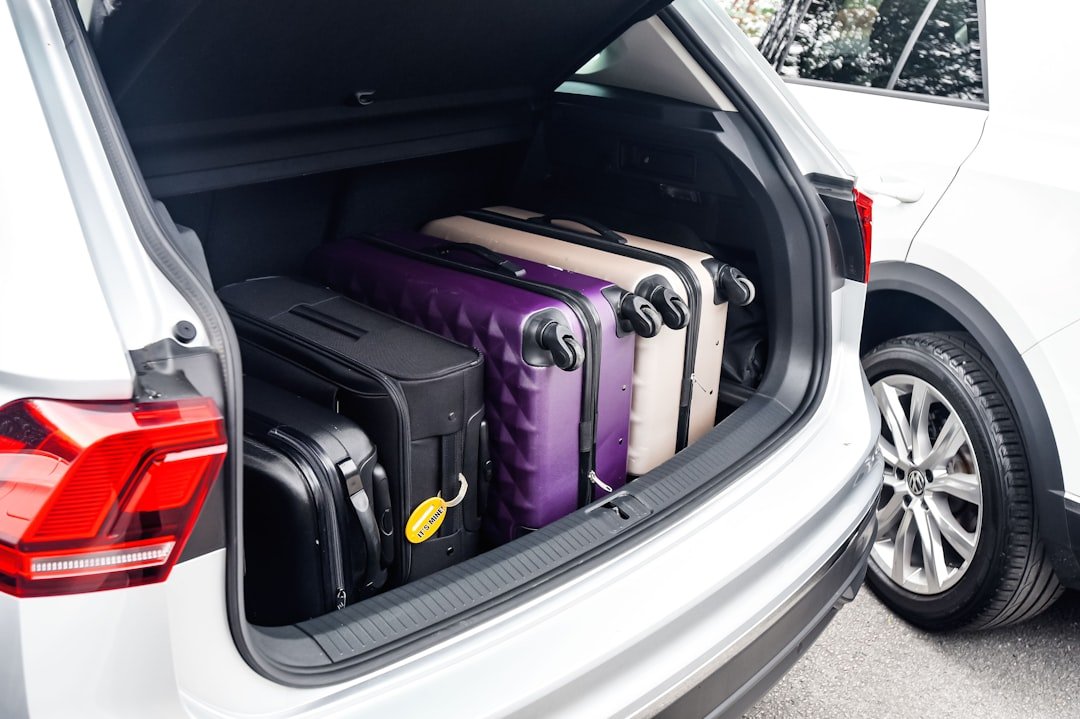
The best cargo organizer for SUV trunk use earns its place when a grocery bag tips over on the first roundabout and loose bottles roll beneath the third-row seat. It gets old fast. Choosing the best cargo organizer for SUV trunk use comes down to the cargo floor material, the shape of your load space, and the gear you actually carry, because a large rigid box can be excellent for recovery gear yet annoying when you need every inch for luggage.
What makes the best cargo organizer for SUV trunk use
A useful organizer should control movement without becoming cargo itself. Start there. Most SUV owners get better results from an organizer that matches a regular job, such as holding groceries upright, separating detailing supplies, carrying roadside gear, or containing muddy boots, rather than buying the biggest unit that will physically fit behind the rear seats.
Measure the flat part of the cargo floor before ordering, then account for the wheel-well humps, seatback angle, subwoofer enclosure, spare-tire access panel, and any underfloor storage handle that an organizer may cover. Measure twice. Product listing dimensions often describe the outermost width and height, which can make a collapsible bin look compatible on paper while its stiff side panels interfere with your tailgate opening or cargo cover in the real vehicle.
The anchor method matters more than the organizer logo. A heavy-duty Velcro or hook-and-loop base can work very well on a carpeted SUV cargo floor, but it has little bite on hard plastic, rubber liners, or low-pile carpet. A non-slip base helps. Tie-down straps and bungee attachment points are more dependable for heavier loads, although they take longer to set up and can be awkward if your SUV has no exposed cargo loops.
Capacity is another trade-off. A deep organizer keeps taller items upright, but it can block rearward visibility in some SUVs and makes it harder to reach the bottom. Shallow bins are easier to live with. For most daily errands, dividers that create two or three stable sections matter more than having many small pockets that are difficult to clean after a leaking bottle or wet dog towel.
Choose the organizer style that fits your gear
Collapsible fabric organizers
Collapsible fabric organizers are the common all-purpose choice for an SUV trunk. They fold down when not needed. Look for reinforced bottom panels, stitched handles that run under the bin instead of attaching only at the rim, and removable dividers that do not sag as soon as you load a few bottles. Research commonly points shoppers toward models such as Fortem and TRUNKCRATEPRO because these products are widely sold in several sizes and usually include dividers, but check the current listing dimensions and attachment system before treating any model as a fit for your SUV.
These work best for light and medium loads: groceries, car-care products, picnic supplies, pet items, and emergency basics. Keep expectations sensible. Even a well-built fabric organizer will move if it is unsecured and loaded with dense objects like a tool kit, gallon jugs, or a full portable power station. A cargo liner with a textured surface can reduce movement, but it is not a substitute for an actual anchor.
Rigid bins and modular crates
Rigid plastic bins are the practical pick for wet boots, tow straps, fluids, muddy hiking gear, and anything that may spill. Cleanup is simple. Their square sides also use cargo-floor space efficiently, and a lid can keep small items contained when you brake hard. The downside is obvious once you need to haul a stroller, a large dog crate, or flat-pack furniture: a rigid bin does not compress or disappear.
A modular crate system can make sense if your loadout stays fairly consistent. Think weekend camping gear or work equipment. Crates with locking lids and stackable walls can keep items sorted, but stacked weight raises the center of gravity, so secure the stack to factory cargo hooks if the vehicle and crate design allow it. Do not rely on a lid alone. Sudden stops put surprising force on cargo.
Side-mounted and seatback organizers
Side-mounted organizers preserve the center of the cargo floor. That is useful. They can hold jumper cables, gloves, a tire inflator, and a compact first-aid kit while leaving room for larger gear. Some attach with hook-and-loop backing, while others use straps around seat rails or headrests. Verify that straps do not interfere with seat folding, child-seat tether hardware, power-seat wiring, or the tailgate seal.
These organizers usually have limited weight capacity. Keep them light. A seatback pocket is not the right place for a heavy socket set or a metal recovery shackle, particularly if the rear seats fold forward and the load can shift toward passengers. Put dense gear low on the floor and close to the seatbacks instead.
Cargo nets and dividers
A cargo net is inexpensive and takes almost no room. It is best for soft, light items. Nets can stop a jacket, bag, or small parcel from skating across the floor, but they do not reliably stabilize a tall grocery bag, glass bottle, or toolbox. Use one as a retaining layer over items already placed against the seatback or inside a bin.
Adjustable cargo dividers are useful in SUVs with factory rails or strong tie-down points. They create a barrier rather than a container. That can be ideal for coolers, folded chairs, and luggage, especially when you want to keep the rest of the trunk open. Fit is critical. A divider that does not brace firmly against suitable anchor points may simply slide with the load.
How to keep gear from sliding
The easiest way to keep gear from sliding is to combine low placement, a grippy surface, and a physical restraint. Start low. Put the heaviest item against the rear seatbacks, then wedge lighter items around it or place them in a divided organizer. This arrangement reduces the leverage that makes tall objects topple during braking and cornering.
- Clear loose items from the cargo floor and vacuum away sand, gravel, and pet hair that can reduce hook-and-loop grip.
- Place a rubber or textured cargo mat down if your SUV has a slick plastic floor. Make sure it lies flat.
- Set the organizer near the rear seatbacks rather than near the tailgate, unless its straps are designed for rear anchors.
- Load heavy gear on the bottom, with soft items used as wedges where appropriate.
- Attach straps, clips, or bungees to factory-rated cargo hooks when the load is heavy enough to shift the organizer.
- Take one careful test drive around a few normal corners and brake progressively in a safe area. Then recheck the load.
A simple grocery example shows why size alone does not solve the problem. A 20-pound bag of canned goods placed in a tall, empty fabric organizer can still tip and pull the whole bin sideways, while the same bag placed low in a smaller divided bin, backed against the seat, has much less room to gain momentum. Less empty space helps. If your organizer is frequently half-empty, use removable dividers, a folded towel, or a small non-slip wedge to take up the slack.
Materials and build details worth checking
Fabric thickness is hard to judge from photos, so inspect how the base and handles are constructed. Look closely. A base board that is fully removable is convenient for cleaning, but it may slide around if it is not secured inside the organizer. Reinforced stitching at the handle roots matters because that area takes the load when you lift a bin full of groceries or bottles.
Water resistance is useful, but it is not the same as waterproofing. Many fabric organizers handle damp umbrellas and minor drips, yet seams and folded corners can let a significant spill reach the carpet. A removable liner is handy. If you routinely carry fuel containers, chemicals, or oily tools, use a sealed hard bin designed for that type of cargo and follow the product and vehicle instructions.
Zippers can be useful for loose contents, though they add another failure point and slow access. Open-top bins are quicker. Lids make more sense for small gear that must stay clean, gear stored long term, or items that could spill out if the organizer tips. For everyday groceries, a simple divided open bin is often less fussy than a zippered trunk system.
Also inspect the stated load rating, but treat it as one piece of information rather than a guarantee of real-world durability. Check the maker’s current instructions. A bin may support a given weight when sitting flat, yet its handles, divider tabs, or straps can have lower practical limits when you carry it or secure it to a cargo hook.
Fit issues that catch SUV owners out
Third-row SUVs need extra attention because the cargo area can become very shallow when all seats are up. Space disappears quickly. A low-profile organizer or side-mounted pouch usually makes more sense than a tall crate in this layout. When the third row is folded, you can expand to a larger organizer, but confirm it does not obstruct the seat pull straps or powered-fold controls.
Sloped cargo floors are another problem, especially in some crossovers where the floor rises toward the rear seatbacks or tailgate. A bin may sit level when empty but lean when loaded. Test that. A grippy mat and a forward tie-down strap may help, though the better purchase is often a shallower organizer with a broad base.
If you have a plug-in hybrid or EV, check the cargo floor carefully before using screws, adhesive mounts, or aftermarket rail hardware. Do not drill blindly. Battery-related components, wiring routes, trim clips, and service access points vary by model, and the vehicle manual or a qualified shop can confirm what is safe for your specific vehicle.
Spend based on how often you use it
Budget organizers are reasonable for occasional grocery control or storing lightweight emergency supplies. Keep it simple. They commonly use thinner fabric, flexible walls, and basic hook-and-loop strips, so they are best when you can remove them easily and do not expect them to carry dense loads for years.
Mid-priced organizers often bring better base panels, more useful divider layouts, sturdier handles, and attachment straps. This is usually the sweet spot for a family SUV or daily driver, provided the mounting method suits the cargo surface. Prices vary by region. Check current retailer listings, returns policies, and manufacturer details instead of assuming a heavily discounted model has the same materials as a similarly named version.
Premium modular systems make sense when the vehicle carries a repeatable kit, such as field equipment, outdoor gear, or a detailed roadside setup. They take up more space. Before paying extra, ask one blunt question: will this organizer stay in the SUV most of the time? If the answer is no, a collapsible bin and a quality cargo mat can be the more useful combination.
FAQ
Will a Velcro-bottom organizer work on a rubber cargo mat?
Usually, not very well. Rubber cargo mats give hook-and-loop strips little to grab, although some organizers also have rubberized feet or straps that improve stability. Use factory cargo hooks when possible. If your organizer depends entirely on Velcro, it is generally better suited to carpeted cargo flooring.
What size trunk organizer should I buy for an SUV?
Choose the smallest size that holds your regular load. A good rule is to leave enough open floor space for the item you carry most often, whether that is a stroller, dog crate, golf bag, or weekly shopping. Measure the usable floor width and depth with the rear seats in their normal position before ordering.
Can a cargo organizer replace proper cargo tie-downs?
No. It cannot. An organizer helps contain everyday items, but heavy equipment should be secured using suitable vehicle anchor points and restraints. Check your owner’s manual for cargo guidance and do not exceed the vehicle’s stated limits.
Are hard plastic organizers better than fabric ones?
Hard plastic is better for wet, dirty, or spill-prone gear. Fabric is better when you need flexibility and easy storage. The right choice depends on the load, and many SUV owners end up using a small hard bin for messy supplies plus a collapsible organizer for groceries and soft gear.
Should I keep an organizer behind the rear seats or near the tailgate?
Behind the rear seats is usually more stable because it limits forward and rearward movement. It is the safer default. A tailgate position can work when an organizer is specifically strapped to rear anchors, but it may interfere with loading large objects or accessing underfloor storage.
Related posts
This article is for general informational purposes only and is not mechanical, legal, financial, or insurance advice. Prices, insurance rates, tax credits, and manufacturer-stated fuel economy or EV range are estimates that change over time and vary by vehicle, region, and provider — always verify current figures with a dealer, mechanic, insurer, or official source before making a decision.
Disclosure: This post may contain affiliate links. If you click through and make a purchase, we may earn a commission at no extra cost to you. We only recommend products we’ve researched or genuinely believe in.