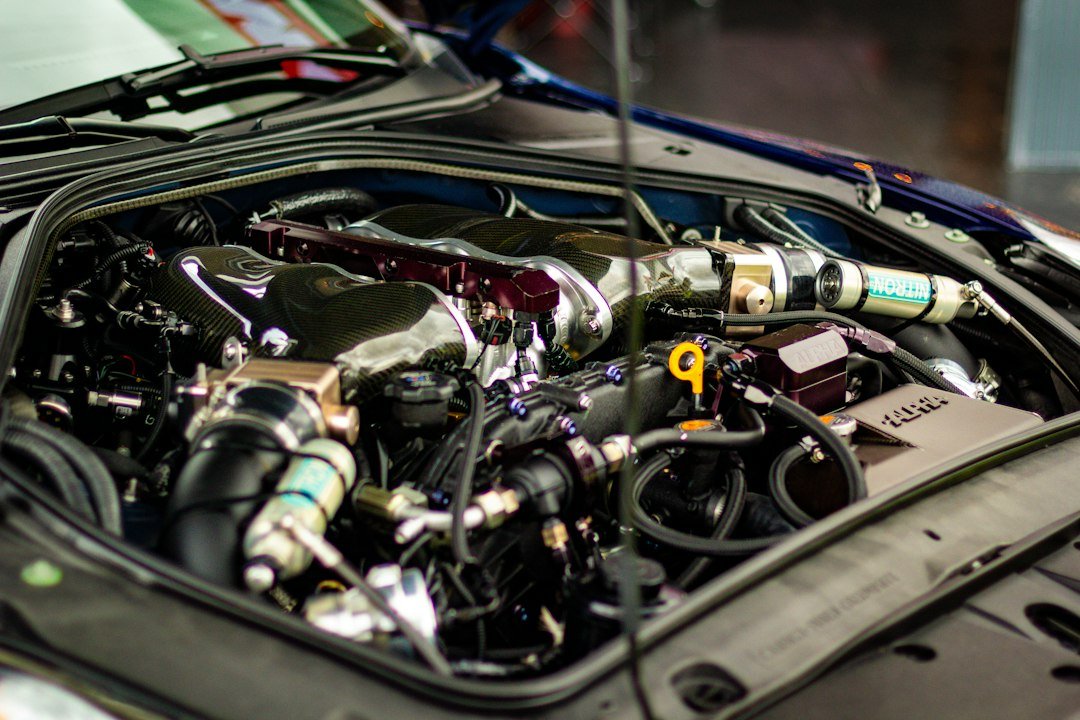
A common misconception is that a rough idle always means the engine needs a major repair. Usually, how to diagnose a rough idle starts with basic checks for air leaks, worn ignition parts, or maintenance items before assuming the worst. Start cold if possible. This guide on how to diagnose a rough idle at home helps you separate a simple fault from a problem that needs professional testing.
How to diagnose a rough idle safely
Park outside or in a well-ventilated area, set the parking brake, and keep loose clothing, tools, and hands away from belts, fans, and hot exhaust parts. Carbon monoxide is dangerous. Do not run an engine in a closed garage, even with the door open, and do not disconnect spark plug wires while the engine is running to test for a miss.
First, define what the vehicle is doing. Watch the tachometer at a fully warmed idle with the air conditioning and other major electrical loads switched off. A healthy idle speed varies by vehicle, but the needle should generally stay fairly steady rather than hunting hundreds of RPM up and down. Note the pattern. Does it stumble only cold, only warm, when stopped in gear, with the A/C on, or after a fuel fill-up?
A vibration can feel like an engine problem even when engine speed is stable. Bad engine or transmission mounts can pass normal engine vibration into the cabin, especially in Drive with your foot on the brake. Check the tach. If the RPM remains steady but the steering wheel, seat, or dash shakes, mounts deserve a closer look after you rule out obvious engine issues.
Read warning lights and scan for codes
If the check-engine light is on, use an OBD-II scanner or a reputable phone app with a compatible adapter to read stored and pending codes. Codes are clues. They identify the system that noticed an abnormal reading, not necessarily the exact part that has failed.
A flashing check-engine light needs more caution than a steady one. It often indicates an active misfire that can overheat and damage the catalytic converter if you keep driving. Stop driving when safe. Arrange a proper diagnosis rather than trying repeated driveway tests with the engine running badly.
Write down every code and freeze-frame detail before clearing anything. Freeze-frame data may show engine temperature, RPM, calculated load, and fuel-trim information at the moment the computer detected the fault, which can tell you whether the problem appeared during a cold start, warm idle, or a particular operating condition. Take photos. Cleared codes can take time to return.
Common examples include random or cylinder-specific misfire codes, lean-condition codes, mass airflow sensor codes, and idle-control related codes on older vehicles. A cylinder-specific misfire code points you toward that cylinder’s spark plug, coil, injector, compression, or wiring. A lean code can come from unmetered air, weak fuel supply, or inaccurate sensor data.
Start with the easy visual checks
Open the hood with the engine off and cool enough to touch safely. Look for disconnected hoses, split rubber elbows, cracked intake tubing, loose airbox clips, damaged wiring, oil around ignition coils, and signs that rodents have chewed insulation. Use a flashlight. Small intake cracks often hide underneath a hose or near a clamp.
Pay close attention to the intake tract between the air filter box and throttle body. Any opening after the mass airflow sensor can let in air the computer did not measure, which may create a lean mixture and unstable idle. Check the PCV system too. A torn PCV hose or a stuck-open PCV valve is a common, inexpensive cause on many engines.
Inspect the air filter, but do not condemn it merely because it looks dusty. A severely blocked filter can restrict airflow, yet a rough idle is more often caused by a leak, sensor contamination, ignition issue, or throttle-body buildup. Replace a visibly collapsed, oil-soaked, or heavily plugged filter. Make sure the airbox is sealed afterward.
Look at battery terminals and main ground connections as well. Loose or corroded connections can cause unstable sensor readings, poor charging voltage, and odd idle behavior, especially after a weak-battery event or recent repair. Keep it simple. Clean and tighten connections only with the ignition off, following the vehicle manual’s battery procedures.
Check for air and throttle problems
Vacuum leaks are high on the list when the idle surges, sits high, or improves once the engine is revved slightly. Listen for a sharp hiss around the intake manifold, vacuum hoses, brake-booster hose, and PCV plumbing. Your ears help. A smoke test is the cleanest way to find a leak, but many shops can perform one quickly if your visual inspection finds nothing.
A dirty throttle body can also leave the throttle plate unable to control the tiny amount of air an engine needs at idle. This is especially common on engines that spend much of their time on short trips. Remove the intake duct only if access is straightforward. Use throttle-body cleaner approved for the job, a clean lint-free cloth, and the vehicle-specific procedure before forcing an electronic throttle plate open.
Some vehicles need an idle relearn after throttle-body cleaning, battery replacement, or certain repairs. The process differs widely by make and model. Check the owner’s manual, factory service information, or a reliable repair database before assuming that a few minutes of idling will reset everything.
Do not spray flammable cleaner around a running engine in search of a vacuum leak. It creates a fire risk and can damage plastics, sensors, or painted surfaces. A visual inspection is safer. A smoke machine or shop diagnosis is better when the leak remains elusive.
Rule out ignition and fuel issues
A true misfire often feels like an uneven, rhythmic shake through the body of the vehicle, and the exhaust note may sound uneven or dull. On a four-cylinder engine, one weak cylinder is very noticeable at idle. Under load, the symptom may become worse. A failing plug, ignition coil, coil boot, injector, or wiring connection can all cause that pattern.
If your maintenance history is known, check whether spark plugs are due by age or mileage. Use the exact plug type and gap specification listed for your engine. Cheap universal parts can create fresh problems. On coil-on-plug engines, inspect accessible coil boots for oil contamination, corrosion, torn rubber, or carbon tracking, which can look like a thin dark line.
Here is a practical example. If a scanner reports a misfire on cylinder three, and cylinder three has an accessible individual ignition coil, you may be able to swap that coil with cylinder one, clear the code, and retest carefully. If the misfire moves to cylinder one, the coil is strongly suspect. If it remains on cylinder three, look at the plug, injector, wiring, air leak near that intake runner, or mechanical condition instead.
Only attempt component swapping when the engine is cool, connectors are accessible, and you can reinstall everything exactly as found. Take pictures first. If you smell raw fuel, see fuel leakage, or find damaged fuel lines, stop there and have the vehicle inspected.
Fuel quality occasionally causes a rough idle, particularly after a questionable fill-up or long storage period, but it should not be the default explanation. Consider whether the problem began immediately after refueling. Keep receipts. A fuel-pressure test and injector balance testing usually need proper equipment, so this is often where a good independent shop saves time and parts-swapping money.
Use fuel trims if your scanner shows them
Live data can make home diagnosis more precise when your scanner displays short-term and long-term fuel trims. Fuel trim is the engine computer’s correction for a mixture it sees as too rich or too lean. Numbers near zero are typical. A sustained positive combined correction around 15 percent or more at warm idle often suggests the engine is adding fuel to compensate for extra air, weak fuel delivery, or incorrect airflow information.
Compare the readings at idle and around 2,500 RPM in Park or Neutral, following safe procedures for your vehicle. If positive trim is much higher at idle and improves as RPM rises, a vacuum leak becomes more likely. If it stays high at both speeds, fuel pressure, a dirty airflow sensor, or an exhaust leak ahead of an oxygen sensor may be involved. This is a clue, not a verdict.
Mass airflow sensors need care. Do not touch the sensing element with fingers, cloth, or a brush. If the sensor is accessible and the service information permits cleaning, use only mass-airflow-sensor cleaner and allow it to dry fully before reinstalling it.
Know when the problem is beyond driveway work
Book professional diagnosis if the check-engine light flashes, the vehicle stalls in traffic, fuel is leaking, coolant is disappearing, the engine overheats, or you hear knocking, heavy tapping, or metallic rattling. Those signs can point to damage or a safety issue. Do not push through them.
Low compression, a burnt valve, a stretched timing component, internal vacuum leak, restricted catalytic converter, or injector electrical fault can all create a rough idle without an obvious visual cause. These problems need tests such as compression testing, leak-down testing, fuel-pressure measurement, waveform analysis, or smoke testing. A shop can test rather than guess. Ask for the test results and the reason a recommended part is being replaced.
Before the appointment, bring your code list, freeze-frame screenshots, maintenance records, and notes about when the idle changes. That information can cut diagnostic time. It also makes it harder to mistake a cold-start quirk for a fully warmed-up fault.
FAQ
Can bad spark plugs cause a rough idle?
Yes. Worn, fouled, incorrectly gapped, or damaged spark plugs can misfire most noticeably at idle because combustion is less forgiving at low engine speed. Check the service interval. Oil or coolant contamination on a plug points to a separate issue that needs investigation.
Why does my car idle rough only when cold?
Cold engines run through a different warm-up strategy, and small ignition, airflow, fuel, or sensor problems may show up before the engine reaches normal temperature. A brief slightly elevated cold idle can be normal. Persistent shaking, stalling, or a warning light is not something to ignore.
Can a dirty throttle body make the idle rough?
Yes, especially when deposits build near the throttle plate where idle airflow is controlled. The effect depends on the vehicle. Clean it only with the correct cleaner and procedure, then perform any required idle relearn.
Is it safe to drive with a rough idle?
A mild rough idle with no warning lights may allow a short trip to a repair shop, but there is no universal safe distance. A flashing check-engine light, stalling, fuel smell, overheating, or loud mechanical noise means stop driving when safe. Verify the next step with a qualified shop or roadside assistance provider.
Will disconnecting the battery fix a rough idle?
Usually no. Disconnecting the battery may clear learned values and trouble codes, which can temporarily change how the engine behaves without fixing the cause. It can also erase useful diagnostic evidence. Scan and record codes first.
Related posts
This article is for general informational purposes only and is not mechanical, legal, financial, or insurance advice. Prices, insurance rates, tax credits, and manufacturer-stated fuel economy or EV range are estimates that change over time and vary by vehicle, region, and provider — always verify current figures with a dealer, mechanic, insurer, or official source before making a decision.
Disclosure: This post may contain affiliate links. If you click through and make a purchase, we may earn a commission at no extra cost to you. We only recommend products we’ve researched or genuinely believe in.