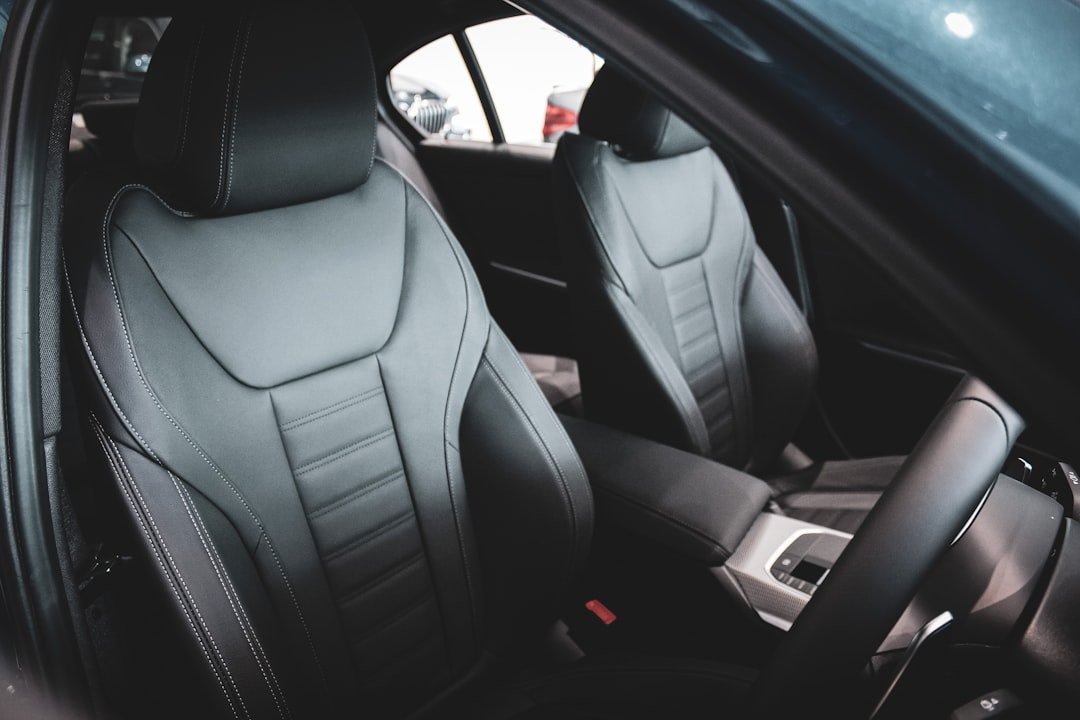
A wet gym bag, muddy dog paws, or a child’s spilled drink can reach leather before the drive home is over. The best car seat covers for leather protection put a washable barrier between that mess and the original upholstery without turning the seat into a slippery, overheated mess. Fit matters most. A loose cover can rub grit into leather, bunch under you, or interfere with seat controls.
Leather is tougher than it looks, but it is not invincible. Dye transfer from dark jeans, sunscreen residue, pet claws, and repeated pressure at the outer bolster can leave marks that are difficult to clean evenly. A cover will not stop every kind of wear. It can, however, reduce direct contact with the areas that get abused every day.
For most buyers, a vehicle-specific cover or a well-secured semi-custom cover is the sensible choice. Universal covers cost less and are easy to find, yet their loose edges are where problems usually begin. Check the seat shape first. Integrated headrests, fixed headrests, seat-mounted armrests, split rear benches, and fold-flat functions all affect which cover actually fits.
Best car seat covers for leather protection by use
The best material depends on what is threatening the leather. A commuter protecting against denim wear needs something different from a parent dealing with juice boxes or an owner loading a wet dog after a hike. Keep the job simple. Buy for the mess you actually expect.
| Cover type | Best use | What it does well | Trade-off to expect |
|---|---|---|---|
| Custom-fit fabric cover | Daily commuting and long-term protection | Closest fit, stable seating surface, broad coverage | Higher cost and more involved installation |
| Neoprene-style cover | Water, sweat, pets, outdoor gear | Water resistance and a grippy feel | Can feel warm and may need regular removal to dry underneath |
| Waterproof polyester cover | Kids, work clothes, occasional spills | Usually affordable, wipeable, easy to remove | Fit and breathability vary widely |
| Quilted seat protector | Child seats, pets, short trips | Quick installation and useful localized protection | Does not protect the entire seat and may shift |
| Canvas-style cover | Trucks, muddy tools, frequent outdoor use | Durable face material and good abrasion resistance | Often bulky and less comfortable in hot weather |
Custom-fit covers are usually the strongest all-around answer for a newer vehicle with leather worth preserving. Brands such as Covercraft, Wet Okole, and Saddleman are commonly researched by buyers because they offer vehicle-specific lines for many popular models. Availability changes by vehicle. Confirm the exact year, trim, seat configuration, and airbag setup before ordering.
Neoprene and neoprene-style covers are popular waterproof options because they shed spills and wet clothing better than ordinary cloth. They also tend to grip better than smooth vinyl. Heat is the catch. In a vehicle parked outside in summer, a thick water-resistant cover can hold warmth against your back and make a heated seat feel slower or less even.
Waterproof polyester covers often make more sense when the protection need is occasional rather than constant. Many use a coated outer fabric and a non-slip backing, and they can be removed after a beach day or a messy school run. Read the care label. Some waterproof coatings degrade if they are machine-dried on high heat.
Waterproof options need a breathable plan
A waterproof top layer is useful, but trapped moisture underneath is the part many buyers overlook. Condensation, a wet swimsuit, or liquid that sneaks through a seam can remain between the cover and leather for days. That is bad news. It can encourage odor, leave water marks, and allow embedded dirt to act like fine sandpaper when the cover moves.
Look for a cover with a water-resistant face, finished edges, and a backing that does not feel like raw rubber against the seat. A soft microfiber, fabric, or carefully designed non-slip backing is generally kinder to leather than a coarse unfinished underside. There is no universal material winner. The construction and fit determine whether the backing stays clean and stable.
If waterproof protection is only needed for a dog, a removable hammock or rear bench cover may be better than permanently covering every seat. A rear hammock protects the bench, footwell area, and sometimes door-side trim, while leaving the front seats uncovered. It is a practical split. Check whether rear-seat passengers still need access to seat belts or child-seat anchors.
For child seats, use only a seat protector that both the child-seat maker and vehicle manufacturer permit. Some thick pads can change how firmly a child restraint sits on the vehicle seat. That is not a cosmetic issue. Follow the child-seat manual, vehicle manual, and local safety guidance before placing anything under a restraint.
Fit, airbags, and controls come before color
Never buy a cover based on color alone. Modern seats can contain side airbags in the outer seatback, occupancy sensors in the cushion, lumbar hardware, power switches, ventilation ducts, and fold mechanisms. A generic cover that hides all of those areas may look tidy while creating a real compatibility concern.
For front seats with seat-mounted side airbags, seek a cover specifically labeled for side-airbag compatibility for that vehicle or seat design. These covers typically leave the deployment area open or use a designed seam intended for that purpose. Do not cut your own opening. A homemade slit has no verified tear behavior and may let the cover shift around the seatback.
Heated and ventilated leather seats need extra care. A thin, breathable cover may work acceptably if the manufacturer says it is compatible, but thick foam-backed, waterproof, or heavily padded covers can reduce airflow and alter heat transfer. Test every function after installation. If the seat feels unusually hot, ventilation is blocked, or switches bind, remove the cover and consult the vehicle manual or a qualified shop.
Rear seats deserve the same attention. A 60/40 or 40/20/40 split bench needs matching zippers or separate sections if you regularly fold one portion down. Also check access to tether anchors, ISOFIX or LATCH anchors, center armrests, and pass-through panels. Small details matter here.
How to choose without wasting money
Start by deciding whether you need full-time coverage or a removable barrier. Full-time covers should fit closely and match every major seat function. Occasional protectors can be simpler. Spending extra on a custom cover makes more sense when the vehicle is newer, the leather is light-colored, or the seats see heavy daily use.
- Identify the seat layout. Count headrests, check for airbags, note power controls, and photograph the front and rear seats before shopping. Take five minutes.
- List the main threat. Pick spills, pets, work dirt, child-seat marks, or everyday abrasion. Avoid paying for a thick waterproof cover if a thin fitted fabric cover solves the real problem.
- Check the product listing carefully. Match the exact vehicle year, model, trim, cab or body style, and seat arrangement. “Fits most” is not the same as verified fit.
- Read installation instructions before purchase. Look for how the cover handles airbags, headrests, seat belts, rear-seat folds, and child-seat anchors.
- Inspect after installation. Move the seat through its full travel, test recline and lumbar controls, buckle every belt, and check that no fabric bunches around pedals or seat rails.
As a rough buying example, an inexpensive universal front-seat pair may be tempting if the vehicle is older and the need is temporary. A fitted front-and-rear set costs more, but it can be cheaper than trying to correct visible stains, cracked finish, or deep scuffs on light leather later. Prices vary by region. Verify current pricing, return policies, and fitment directly with the retailer or manufacturer.
Return policy matters more than buyers expect. Install covers carefully enough to test fit without damaging packaging, but follow the seller’s return conditions. A cover can look correct in product photos and still conflict with an unusual headrest shape, a center armrest, or a rear-seat release strap.
Cleaning covers and the leather underneath
Remove and clean the cover on a schedule that matches its use. For a dog vehicle or work truck, monthly inspection is reasonable. For a clean commuter car, checking every few months may be enough. Lift the cover fully. Vacuum away grit before it gets pressed into the leather.
Use a leather cleaner approved for automotive upholstery, then allow the seat to dry before reinstalling the cover. Avoid soaking seams. If the cover itself is machine washable, use the temperature and drying guidance on its label rather than assuming every waterproof material handles heat the same way.
Do not use a shiny silicone dressing under a cover. It can make the cover slide, attract dust, and leave the seating surface slick if the cover shifts. A clean, dry surface is better. The goal is protection, not a glossy showroom look.
FAQ
Do seat covers damage leather seats?
They can if dirt, moisture, or a rough backing gets trapped underneath. A clean, well-fitted cover with a suitable backing is less likely to cause trouble than a loose universal cover that shifts every time someone gets in. Check underneath regularly. That simple habit makes a difference.
Are waterproof seat covers safe with side airbags?
Only use a cover that the manufacturer identifies as compatible with your vehicle’s seat-mounted side airbags. Waterproof material alone tells you nothing about deployment compatibility. Read the vehicle manual too. If fitment information is unclear, choose another cover or ask a dealer or qualified installer.
Is neoprene good for leather seats?
Neoprene-style covers can be a good choice for wet gear, pets, and frequent spills because they resist water and stay put fairly well. They can also run warm. Remove them periodically, clean both surfaces, and let everything dry before reinstalling.
Can I put a seat cover under a child car seat?
Only if both the vehicle and child-seat instructions allow it. Some manufacturers limit the thickness or type of protector allowed under a restraint. The child seat must remain securely installed. When in doubt, leave the extra pad out.
What is the best color for a leather seat cover?
Black and charcoal hide dirt best, while tan and gray often blend with lighter interiors. Color is secondary to fit and safety compatibility. A mismatched cover that fits correctly is better than a perfect color that blocks controls or bunches at the airbag seam.
Related posts
This article is for general informational purposes only and is not mechanical, legal, financial, or insurance advice. Prices, insurance rates, tax credits, and manufacturer-stated fuel economy or EV range are estimates that change over time and vary by vehicle, region, and provider — always verify current figures with a dealer, mechanic, insurer, or official source before making a decision.
Disclosure: This post may contain affiliate links. If you click through and make a purchase, we may earn a commission at no extra cost to you. We only recommend products we’ve researched or genuinely believe in.