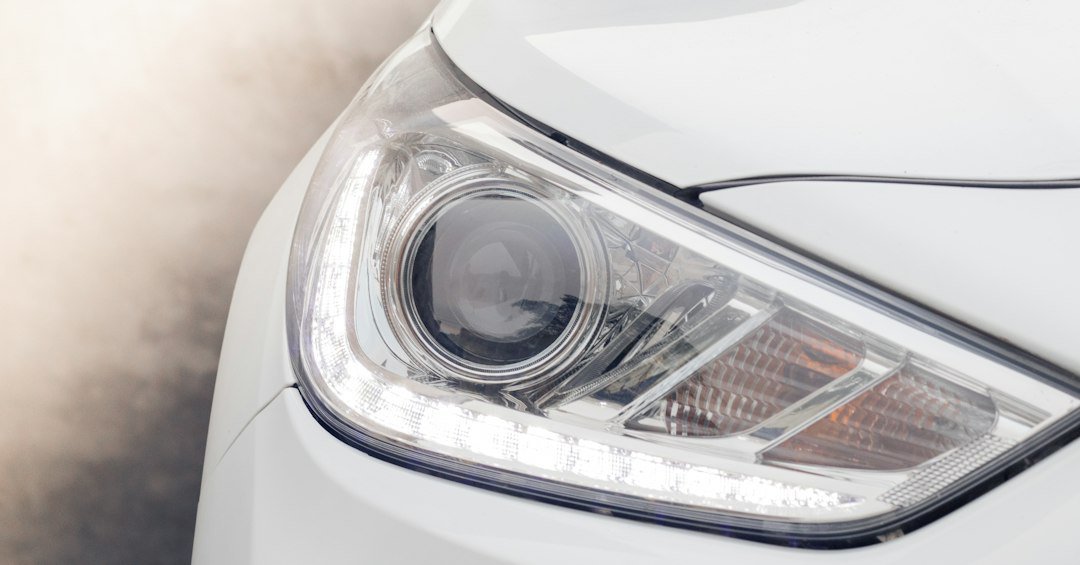
The best LED headlight bulbs for night driving are the ones that create a clean, controlled beam in your vehicle’s existing headlamp housing, not necessarily the kit with the biggest lumen number on its box. Beam control matters most. For most drivers, the best LED headlight bulbs for night driving have correctly positioned LED chips, a solid heat sink, and a verified fit for the bulb size and housing type.
A good upgrade can make dark rural roads, wet pavement, and faded lane markings easier to read. More light is not always better. A badly matched LED bulb can scatter light above the cutoff line, make road signs painfully bright, and still leave the distance ahead dim because the light is going in the wrong places.
Best LED headlight bulbs for night driving
Start with your headlamp housing before shopping for a bulb. This is the big fork. Reflector housings use the shape of the reflector to aim light, while projector housings use a projector bowl and cutoff shield to control the beam. An LED retrofit that works neatly in one can be poor in the other.
Halogen headlamp optics were designed around a small glowing filament placed at a precise point. Location is everything. LED replacements need their light-emitting chips to sit very close to that filament position, both in depth and side-to-side orientation, or the reflector cannot focus the beam properly.
For a reflector headlamp, prioritize a bulb with thin, closely placed chips on opposite sides of the blade rather than a large multi-sided light tower. Smaller is usually better. The closer the LED light source mimics the original filament, the better chance the housing has of producing an even low-beam pattern.
For projector headlights, fitment still matters, but the projector lens and shield may hide some flaws that would be obvious in a reflector. Do not assume it is automatic. Check the beam against a wall after installation and take the car out on an unlit road before deciding the conversion is acceptable.
Brightness comparison that actually helps
Marketing brightness figures are easy to misunderstand. Lumens measure total light output from the bulb, but they do not tell you how much useful light lands on the road. Lux, measured at a point, is more relevant to seeing distance, although it also depends on where and how the measurement was taken.
A bulb advertised at 20,000 lumens per pair may look compelling beside a modestly rated option. Numbers sell boxes. Yet a lower-output bulb with a precise focal position can put more usable light on the lane ahead, while the higher-rated bulb wastes output as foreground glare, treetop scatter, and stray light above the cutoff.
When comparing LED bulbs, look for beam photos taken in the same housing at the same exposure setting. That detail matters. Photos with automatic exposure can make any bulb appear dramatically brighter because the camera changes shutter speed, ISO, or both between shots.
Pay attention to the hotspot just below the cutoff, the width of the beam, and the dark zones at the outer edges. A wide pattern feels good on twisting roads. Still, too much foreground brightness can make your eyes constrict, which may reduce your ability to pick out a dark object farther ahead.
Color temperature affects perception too. Around 5,000K to 6,000K generally gives the crisp white appearance most buyers expect from LEDs. Very blue light may look dramatic. It can be less comfortable in rain, fog, snow, or dirty windshield conditions, where reflected light and glare become more noticeable.
What to look for before buying
First, confirm the bulb type in the owner’s manual or on the original bulb. Common sizes include H11, 9005, 9006, H7, and H4, but similar-looking numbers are not interchangeable. Check twice. The wrong base, connector, or locking-tab design can turn a simple job into a return shipment.
Next, measure available space behind the dust cap. Many LED bulbs have a fan, heat sink, or external driver box that needs clearance. A bulb may plug in perfectly but fail to fit under the factory cap, and running without that cap can let moisture and dust into the housing.
Cooling design deserves more attention than most buyers give it. LEDs dislike heat. A compact fan can move heat well, but fans add a moving part and can collect dust over time. Passive aluminum heat sinks are quieter and simpler, though they need enough open air behind the headlamp to shed heat.
Look for a realistic warranty and a seller with a clear vehicle-fitment policy. Keep the packaging. Some cars also monitor bulb current and may show a warning, flicker, or rapid flash after an LED conversion because LEDs draw less power than halogens.
A CAN bus decoder, resistor harness, or anti-flicker module can sometimes address those electrical issues. It is not a universal cure. Resistors can get hot, so they need secure mounting away from plastic parts, wiring insulation, and anything else that could be damaged by heat.
Product lines worth researching
For buyers who want established lighting brands, Philips Ultinon LED lines, OSRAM Night Breaker LED lines, and Sylvania ZEVO LED products are sensible starting points for research. Fitment and availability differ. Check each maker’s current application guide, bulb-size listing, and country-specific approval information rather than assuming a product line fits every vehicle.
Philips and OSRAM have road-legal LED retrofit approvals for selected vehicles in certain markets, often with specific bulb sizes and headlamp applications. That approval is not universal. A bulb that is permitted in one country, or in one approved vehicle application, may not be legal for road use elsewhere.
Less expensive LED kits can work well in the right housing, especially when the chip placement is accurate and the cooling hardware fits. Quality varies more. Treat unusually huge lumen claims, vague fitment promises, and heavily edited road photos as reasons to slow down and inspect independent buyer feedback.
For sealed-beam conversions, classic-car housings, and off-road auxiliary lights, the selection process is different because the complete lamp assembly often determines the beam quality. Buy the lamp and bulb system as a matched setup when possible. A premium bulb cannot rescue poor optics.
How to check the beam after installation
Do a basic wall check before your first nighttime drive. It takes ten minutes. Park on level ground facing a flat wall, keep the vehicle straight, and use the same tire pressures and normal cargo load you would have on the road.
-
Mark the center height of each low-beam lamp on the wall with tape. Keep it simple.
-
Back up roughly 25 feet, then switch on low beams. Check your owner’s manual for the vehicle’s specified aiming procedure if one is provided.
-
Compare the cutoff and hotspot with the old halogens if possible. The beam should remain level and defined, without obvious light spraying high above the cutoff.
-
Drive a familiar dark route and watch for signs of trouble: angry flashes from other drivers, bright reflections from overhead signs, or a near field that is bright while the far road remains dark.
If the pattern looks scattered, first make sure the bulb is fully seated and indexed correctly. Some LED bulbs have adjustable collars. Rotate the bulb only according to its instructions, then recheck the pattern, because chip orientation can make a major difference in reflector housings.
When halogen may still be the better choice
A quality halogen bulb remains a smart answer for many vehicles. No shame there. It preserves the optical design the housing was built around, costs less up front, and avoids heat-sink clearance or electrical-warning issues.
High-performance halogens generally trade service life for more output, so expect to replace them sooner than long-life bulbs. That is the trade-off. If your night driving is occasional and your factory housings are clear and properly aimed, a fresh pair of reputable halogens may give a more predictable result than a cheap LED conversion.
If the headlight lenses are cloudy, address that first. A haze-covered lens can throw away much of the benefit of any bulb upgrade. Lens restoration may help if the damage is mostly on the outer surface, but badly burned reflectors, moisture damage, or failed projector coatings usually call for housing repair or replacement.
Budget and buying priorities
Prices vary by region, bulb type, and seller, but a credible LED pair often costs more than a basic halogen pair and less than replacing complete headlamp assemblies. Avoid choosing by price alone. A practical spending order is correct fitment first, beam pattern second, then cooling clearance and warranty support.
For example, if one $45 kit claims extreme output but has no vehicle-specific fitment details, while a $90 kit has a clear application guide and photos of the beam in a similar housing, the better-documented option is usually the safer purchase. Verify the return policy. You may not know whether an LED works in your housing until it is installed and aimed.
Do not forget the basics around the new bulbs. Clean the outer lenses, inspect the headlamp seals, and make sure the aiming is correct. Those jobs cost little. They often improve real night visibility more than chasing the highest advertised brightness figure.
Frequently asked questions
Are LED headlight bulbs brighter than halogen bulbs?
They can be brighter in usable road light, but the result depends on the housing and bulb design. There is no blanket answer. A well-matched LED can outperform halogen, while a poorly focused one may create glare with little improvement in seeing distance.
What color LED headlight is best for night driving?
A neutral white around 5,000K to 6,000K is a practical target for many drivers. Avoid chasing deep blue color. In wet conditions, a less blue light can feel easier on the eyes because there is less harsh reflected glare from the road surface.
Will LED bulbs blind other drivers?
They can if the bulb does not match the optics, is installed incorrectly, or the headlamps are aimed too high. Check the cutoff. A wall test and a real road test are essential after any bulb change, especially in reflector headlights.
Do LED headlight bulbs need a decoder?
Some vehicles need one, while others do not. Warning lights, flicker, or bulbs that shut off after startup can point to a compatibility issue. Check the bulb maker’s current vehicle guide and have a shop diagnose persistent electrical faults rather than adding resistors at random.
Are LED headlight retrofit bulbs road legal?
That depends on where you live, the specific vehicle, and the bulb approval. Rules differ widely. Check local lighting regulations and the manufacturer’s current approval list before using retrofit LEDs on public roads.
Related posts
This article is for general informational purposes only and is not mechanical, legal, financial, or insurance advice. Prices, insurance rates, tax credits, and manufacturer-stated fuel economy or EV range are estimates that change over time and vary by vehicle, region, and provider — always verify current figures with a dealer, mechanic, insurer, or official source before making a decision.
Disclosure: This post may contain affiliate links. If you click through and make a purchase, we may earn a commission at no extra cost to you. We only recommend products we’ve researched or genuinely believe in.