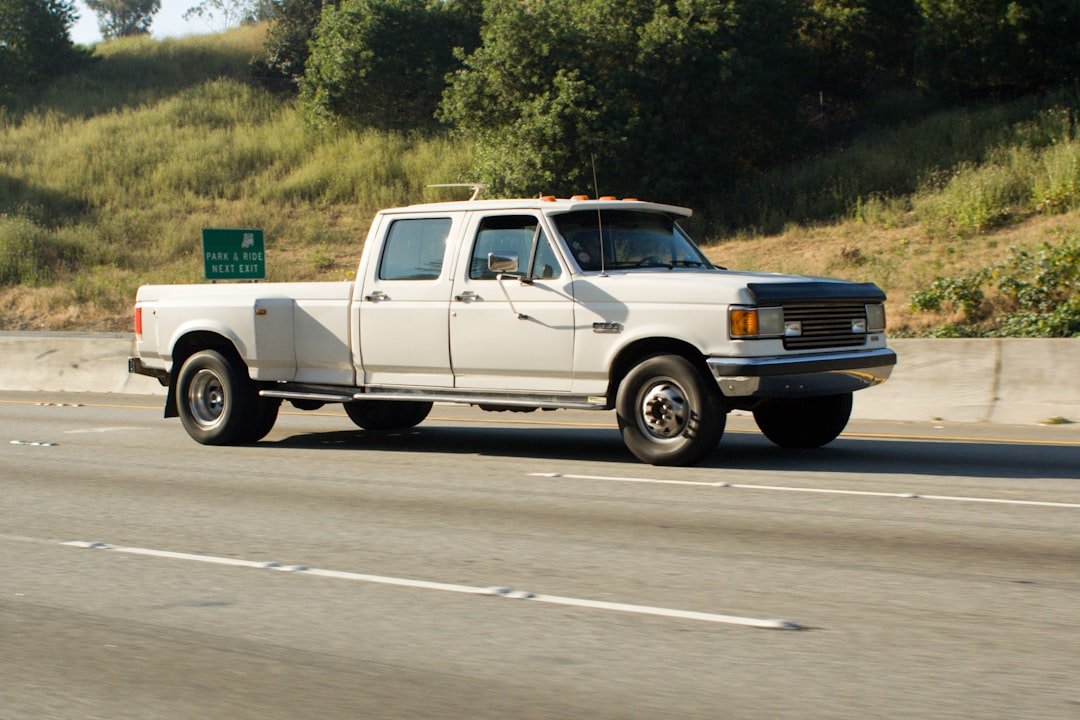
A well-maintained Chevrolet Silverado can deliver many useful years, while a neglected example with hard towing history can become expensive quickly. When evaluating one, prioritize condition, complete service records, smooth shifting, and the absence of unexplained warning lights rather than the badge alone.
The Silverado is a mass-market full-size pickup with broad parts availability and plenty of shops familiar with it. That helps. Its long-term results still depend heavily on the particular engine, transmission, drivetrain, rust exposure, and the way the previous owner used it.
Chevrolet Silverado reliability review for long-term use
Most Silverado owners are buying capability, not a commuter appliance, so maintenance deferred by one owner often becomes the next owner’s bill. A truck that hauled a light trailer twice a year has lived a different life than one that towed equipment daily, idled for work, or ran oversized tires without supporting suspension and brake upgrades.
The common V8 trucks have a long repair history behind them, and routine service parts are generally easy to source. Keep records. Some owners of certain 2014-and-newer V8 trucks equipped with Active Fuel Management have reported cylinder-deactivation-related lifter concerns, so a persistent tick, misfire, rough idle, or check-engine light deserves a proper diagnosis before purchase rather than an assumption that it is normal truck noise.
Transmission behavior needs equal attention. Take a proper road test. A delayed engagement when selecting Drive or Reverse, flare between gears, shudder under light throttle, harsh repeated shifts after warm-up, or a clunk when coming to a stop can point to a calibration issue, worn fluid, driveline slack, or an internal transmission concern. No one symptom proves the repair needed.
Four-wheel-drive trucks add useful capability but add components that need inspection, including the transfer case, front differential, front axle parts, and electronic shift controls. Look underneath for fluid seepage, torn boots, fresh undercoating applied over corrosion, and dents on skid plates or crossmembers that suggest serious off-road use.
Long term ownership costs to plan for
Long term ownership costs are usually manageable when a Silverado gets routine service on schedule, but full-size truck consumables cost more than those for a midsize car. Tires are the obvious example. Larger all-terrain tires, heavy-duty load ratings, and aggressive tread can raise both the purchase price and fuel use.
For a realistic maintenance fund, account for oil changes, filters, brake work, tires, battery replacement, coolant and brake-fluid service, and driveline-fluid changes where the maintenance schedule calls for them. Setting aside money each month can make larger service visits easier to manage. At an independent shop, a basic oil service may be far less painful than a set of tires, while brake, suspension, or transmission work can move the annual budget quickly.
- Oil and filter service: often roughly $75 to $150, depending on engine, oil type, and labor.
- Four quality truck tires: often roughly $900 to $1,800 or more, before alignment or extra road-hazard coverage.
- Brake pads and rotors: commonly several hundred dollars per axle, with price rising for heavier-duty hardware.
- Suspension or steering repairs: costs vary widely because the worn part and alignment needs make a major difference.
Shop rates and parts prices vary by region. Verify quotes locally. If you buy a used truck with unknown maintenance, reserve money for a baseline service soon after purchase, even if it drives well on the test route.
Fuel is another ownership cost that can outweigh a repair bill over several years. A V8, turbocharged gas engine, or diesel option each brings different trade-offs in purchase price, towing behavior, maintenance items, and fuel use, so match the engine to the loads you actually carry instead of buying around a rare maximum-tow situation.
How to inspect a used Silverado
A pre-purchase inspection is money well spent on any used full-size pickup. Do it cold. An inspection before the seller has warmed the engine can reveal startup noise, smoke, battery weakness, and idle quality that a quick parking-lot look misses.
- Check the VIN history, title status, recall completion, and maintenance invoices before driving it.
- Start the truck cold and listen for extended cranking, loud tapping, unstable idle, or warning lights that stay on.
- Drive it at city and highway speeds, with gentle and firm throttle inputs, then test reverse and four-wheel drive where safe.
- Inspect the frame, cab corners, bed mounts, brake lines, suspension parts, and hitch area for rust, leaks, or crash repairs.
- Have a qualified shop scan all modules and inspect it on a lift before finalizing the deal.
Ask the seller what the truck towed and how often. A vague answer is useful information. A seller who can show fluid-service receipts, tire dates, brake invoices, and repairs is giving you a clearer picture than someone who only says the truck has been maintained.
Which Silverado setup makes the most sense
A two-wheel-drive gasoline Silverado with a straightforward service history is usually the lower-risk ownership choice for drivers who do not need serious towing or regular snow and trail use. Simpler can be cheaper. Four-wheel drive is worthwhile when you will use it, but paying for extra drivetrain complexity solely for resale value does not always pencil out.
Heavy-duty models make sense for frequent heavy trailers and payload work, yet they can carry higher tire, brake, suspension, and fuel costs. Choose a truck sized for the work you actually do; buying far more truck than necessary can leave you with higher operating expenses and a rougher daily drive.
FAQ
Are Chevrolet Silverados reliable after 100,000 miles?
They can be, especially when the truck has regular fluid changes, prompt repairs, and no severe rust or abuse history. Mileage is only one clue. A 120,000-mile truck with invoices and clean underbody condition may be a better buy than a low-mileage truck that sat unused or missed service.
What is the most expensive Silverado issue to watch for?
Major engine or transmission work can create the largest surprise bill, particularly when a truck has warning signs that were ignored. Inspect four-wheel-drive components and suspension as well on trucks used for towing, plowing, off-road driving, or oversized-tire setups.
Should I buy a Silverado with a towing history?
Yes, if the trailer weight was appropriate, maintenance is documented, and the truck passes an independent inspection. Towing alone is not a deal-breaker. Frequent heavy towing without transmission, cooling-system, brake, and driveline maintenance is the bigger concern.
Related posts
This article is for general informational purposes only and is not mechanical, legal, financial, or insurance advice. Prices, insurance rates, tax credits, and manufacturer-stated fuel economy or EV range are estimates that change over time and vary by vehicle, region, and provider — always verify current figures with a dealer, mechanic, insurer, or official source before making a decision.
Disclosure: This post may contain affiliate links. If you click through and make a purchase, we may earn a commission at no extra cost to you. We only recommend products we’ve researched or genuinely believe in.