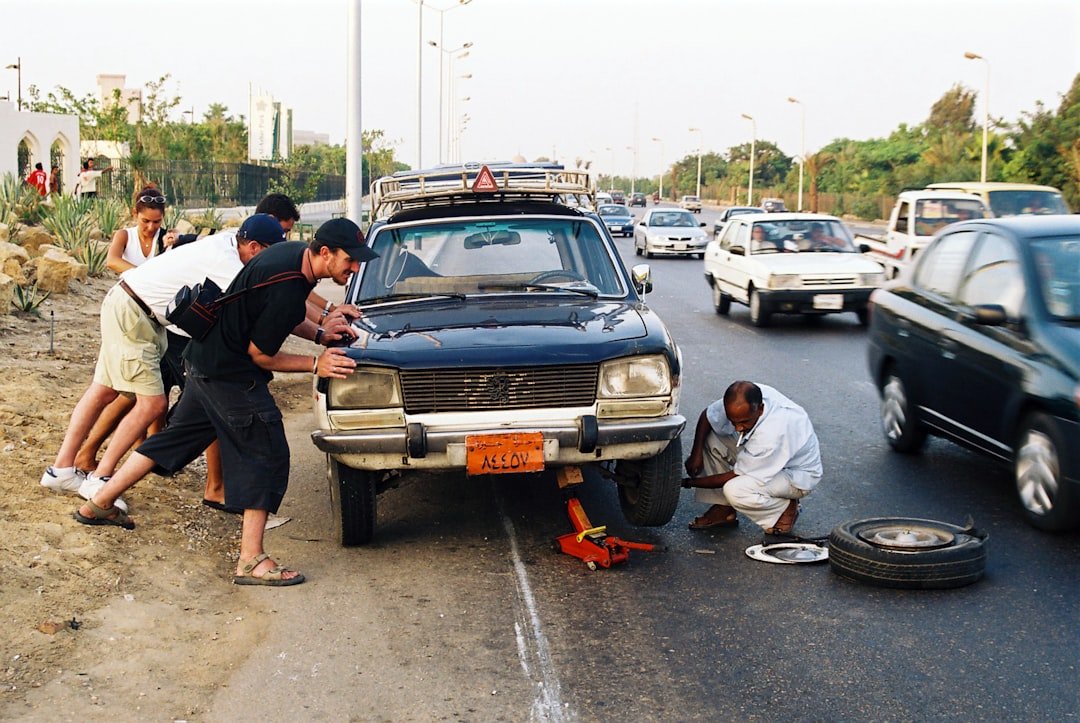
You come back to the car, and one tire is flat. That is the usual bad surprise. How to fix a flat tire without a spare depends on the damage, your location, and the tools in the car, but the safe answer is to use a temporary roadside solution only for a small tread puncture, then have the tire inspected as soon as possible. Do not drive on a fully deflated tire.
A nail or screw through the center tread is often the best-case situation because sealant or a plug may hold enough air for a short trip to a repair shop. Sidewall cuts, torn rubber, a bent wheel, or a tire that came off the bead are different problems. Stop there. Those failures usually need roadside assistance, towing, or a replacement tire.
How to fix a flat tire without a spare
Before reaching for a sealant can or plug kit, get the vehicle out of traffic if it can move safely. Put on hazard lights, choose firm and level ground, and keep passengers away from the traffic side of the vehicle. Start safely. If the tire is already shredded or the rim is scraping the road, do not try to limp to a safer place unless there is an immediate danger where you are.
Look closely at the tire tread and valve area. Use a flashlight. A screw head, nail, or small piece of metal in the tread gives you a possible temporary repair path, especially if the tire still holds some air. Do not pull the object out until your tools are ready, since it may be slowing the leak. If you hear air escaping from a split sidewall, see a bulge, or find a deep cut near the shoulder where tread meets sidewall, skip the repair attempt and call for help.
Choose the temporary roadside solution
The right option comes down to the puncture and the equipment available. A sealant-and-compressor kit is quickest when the hole is small and hard to access, while a plug kit is often more useful when a screw is clearly visible in the tread. Each has limits. Neither turns a damaged tire into a dependable long-term tire.
| Option | Best use | Main limitation | What to do next |
|---|---|---|---|
| Tire sealant and compressor | Small tread puncture with no obvious tear | May not seal a larger hole and can complicate later service | Drive only as directed on the product label, then visit a tire shop |
| External tire plug kit | Visible nail or screw hole in the center tread | Not suitable for sidewall, shoulder, or structural damage | Set pressure, recheck for leaks, and arrange a professional inspection |
| Portable air compressor | Slow leak, loose valve cap, or tire that needs air after a plug | It cannot repair a puncture by itself | Monitor pressure and stop if the tire loses air quickly |
| Roadside assistance or tow | Sidewall damage, wheel damage, or unknown cause | Takes longer than a roadside repair attempt | Protects the wheel and avoids driving on a failed tire |
Use tire sealant only for a small tread leak
Many newer cars without a spare include a tire mobility kit in the cargo area, under the load floor, or beside the compressor. Check the owner’s manual. The kit normally has a sealant bottle that connects between the tire valve and an electric compressor, with instructions for the order of connections and the maximum distance or speed after use.
Park on stable ground, set the parking brake, and leave the puncturing object in place if you can see it. Remove the valve cap, attach the sealant hose exactly as the kit directs, then power the compressor from the vehicle outlet or battery leads if the kit uses them. Read its label. Inflate to the pressure shown on the driver-door tire placard, not the maximum pressure molded into the tire sidewall.
After inflation, disconnect the kit and listen for a strong hiss at the tread or valve. A faint leak may still be present. Drive only the limited distance and speed stated by the sealant manufacturer, then recheck pressure with a gauge after a short drive if the instructions tell you to do so. If pressure drops rapidly, pull over in a safe place and arrange assistance rather than repeatedly adding air.
Sealant is messy, and some products can affect tire-pressure monitoring sensors or make a repair shop’s cleanup more involved. Tell the shop that sealant was used. They need that information before removing the tire from the wheel, and they can decide whether the tire is repairable under their procedures.
Plug a simple tread puncture
An external plug kit usually includes a rasp tool, an insertion tool, sticky plug strips, and sometimes rubber cement. This method is for a small hole through the main tread area. No shortcuts. Do not plug a tire with exposed cords, a crack, a separated tread, or damage near the sidewall.
First, identify the object and position the tire so you can work without reaching into traffic. Remove the nail or screw with pliers, then immediately push the rasp into the hole and work it in and out to clean the channel. This takes effort. Thread a plug strip through the eye of the insertion tool so equal lengths hang on both sides.
Push the loaded tool into the puncture until only a small amount of plug remains outside the tread, then pull the tool out with a firm straight motion. The plug should stay in the tire. Trim excess material if the kit includes a cutter, inflate the tire to the door-placard pressure, and check the spot with soapy water if you have it. Steady bubbles mean air is escaping.
A roadside plug can get you moving, but many tire shops prefer an internal patch-and-plug repair after they inspect the tire from the inside. That inspection matters because a tire can have hidden inner-liner damage after it was driven low on air. Keep the trip short. Avoid high speed, heavy loads, rough roads, and long highway runs until a shop has checked it.
Know when not to attempt a repair
Some flats do not have a safe temporary fix at the roadside. A tire that is flat because of a sidewall cut, a torn valve stem, a cracked wheel, a bead leak, or a blowout needs a different plan. Do not guess. Adding sealant to these problems can waste time and may leave you farther from a safe location.
Use roadside assistance or a tow if the tire was driven while fully flat, even when the outside puncture looks small. Internal damage can develop when the sidewalls flex against the road without air support, and it may not be visible until the tire comes off the wheel. The same applies when the wheel is bent or the tire will not hold air long enough to reach its listed pressure.
If your vehicle has run-flat tires, check the owner’s manual before moving it. Some run-flat designs allow limited travel after pressure loss, but the permitted speed and distance depend on the specific tire and vehicle system. Do not assume. A run-flat tire with severe damage may still need a tow.
Make the call before you drive
Use this simple rule: a visible small object in the center tread, a tire that inflates and holds pressure, and a nearby repair shop may justify a temporary repair. Everything else points toward assistance. That decision can save a wheel, which is usually far more expensive than a service call.
Once air is back in the tire, check all four tire pressures against the driver-door placard and reset the tire-pressure warning system only if the vehicle manual gives a reset procedure. Watch the repaired tire closely. If the warning returns, the steering pulls, the car vibrates, or you smell hot rubber, stop in a safe place.
Keep a no-spare flat tire kit
A basic kit makes this problem much less stressful. Carry the gear. A compact 12-volt compressor with a readable gauge, a tire plug kit, pliers, a valve-cap tool, gloves, a flashlight, and a small bottle of soapy water cover most simple roadside checks. Verify that the compressor can reach your vehicle’s required pressure before you need it.
Also check the sealant bottle’s expiration date if your vehicle came with a mobility kit. Sealant does not last forever. Replace expired material with a product approved for the vehicle where possible, and confirm whether the replacement works with the type of tire-pressure monitoring system in your car.
Frequently asked questions
Can I drive on a flat tire to a gas station?
Do not drive on a completely flat tire. Even a very short trip can damage the tire’s inner structure and grind the wheel against the pavement. If the tire still has some air, inflate it where you are first, then assess whether it holds pressure long enough for a cautious trip.
Will tire sealant fix every puncture?
No. Sealant works best on a small puncture in the tread area. It generally will not fix a sidewall split, a large hole, wheel damage, or a tire that has separated from the wheel bead. Read the product directions because limits vary.
Can a tire shop repair a tire after I use sealant?
Sometimes, but it depends on the tire damage and the shop’s policy. Tell them immediately. They may need to clean sealant from the tire and wheel, inspect the tire internally, and check the pressure sensor before deciding whether repair is appropriate.
Is an external tire plug permanent?
Treat it as temporary. A plug may hold well in a simple puncture, but a proper inspection requires removal of the tire from the wheel to check for hidden damage. Arrange that inspection soon after the roadside repair.
Related posts
This article is for general informational purposes only and is not mechanical, legal, financial, or insurance advice. Prices, insurance rates, tax credits, and manufacturer-stated fuel economy or EV range are estimates that change over time and vary by vehicle, region, and provider — always verify current figures with a dealer, mechanic, insurer, or official source before making a decision.
Disclosure: This post may contain affiliate links. If you click through and make a purchase, we may earn a commission at no extra cost to you. We only recommend products we’ve researched or genuinely believe in.