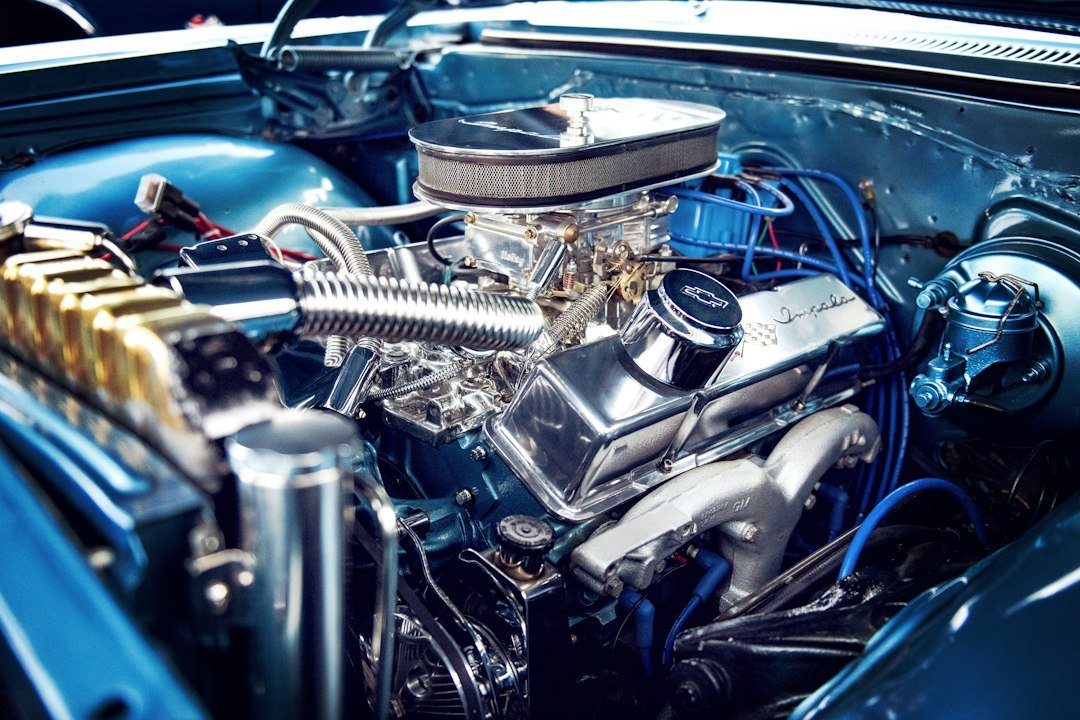
Call your insurer before fitting the next part. The fastest answer to how to insure a modified car is to disclose every change, ask whether it is acceptable, and get the answer reflected in your policy documents before you rely on coverage. Do it first. For how to insure a modified car properly, provide a written list of parts, installation costs, photos, and any tuning paperwork.
A modified car can be insured, but the policy has to match the vehicle. A loud exhaust is different from a turbo kit, and a suspension lift is different from a replacement factory wheel, yet either can affect the insurer’s view of repair cost, theft risk, performance, or safety. Details matter.
How to insure a modified car step by step
- Make a complete modification list. Include manufacturer, part number, purchase date, price, and labor cost where available. Be specific.
- Photograph the car. Take wide shots plus close photos of wheels, suspension, engine hardware, audio equipment, paintwork, and interior additions. Save them off your phone too.
- Call the current insurer or a specialist provider. Explain the changes before assuming they are covered under standard comprehensive or collision coverage. Ask for the response in writing.
- Compare the valuation method. Ask whether aftermarket parts are covered at actual cash value, a stated amount, agreed value, or only up to a limited accessory allowance. Read the wording.
- Update the policy after each major change. A policy arranged around stock wheels and a factory tune may not reflect a later supercharger, wrap, lift kit, or expensive sound system. Keep the file current.
Do not rely on a casual phone comment from a call center. Ask what endorsement, schedule, declaration page, or written confirmation records the modifications, because a verbal answer is hard to revisit after a theft or crash claim. Paperwork wins arguments.
What insurers need to know
Insurers commonly want the basics first: the car’s VIN, registration details, where it is parked, annual mileage, primary driver, and how it is used. Then they need the modification list. That list should separate performance changes from cosmetic and convenience upgrades, since a remap, forced induction setup, brake conversion, or roll cage may be assessed differently than tint, a roof rack, or upgraded speakers.
Tell them about changes that seem minor too. Wheel size, tire type, suspension height, window tint, exhaust systems, aftermarket lighting, vinyl wraps, body kits, alarm systems, tow equipment, and ECU software can all be relevant under a policy’s modification definition. The definition controls.
| Modification type | What to provide | Question to ask |
|---|---|---|
| Wheels, tires, suspension | Sizes, brand, lift or drop amount, receipts | Are these parts covered at replacement cost or a capped amount? |
| Engine, tuning, exhaust | Dyno sheet if available, tune details, installer invoice | Is the vehicle still eligible for full coverage, and are track events excluded? |
| Paint, wrap, body kit | Photos, invoice, paint or wrap specification | Will damage repair use equivalent materials and finish? |
| Audio, security, accessories | Itemized equipment list, serial numbers, installation cost | Is theft coverage limited when the equipment is not factory fitted? |
If an installer completed the work, keep their invoice even when you installed other parts yourself. It establishes what was fitted, when it was fitted, and roughly what replacement work may cost after an insured loss. Receipts are useful.
Choose coverage that matches the build
Standard comprehensive and collision coverage often starts with the vehicle’s market value in stock form, subject to the policy language and deductible. That can leave a gap if the car carries several thousand dollars in parts and labor. A $25,000 stock vehicle with $8,000 of documented upgrades is still not automatically insured for $33,000.
Ask whether the company offers an aftermarket-parts endorsement or a separate scheduled modification amount. Some modified-car and collector-focused policies may offer agreed-value coverage, where the insurer and policyholder set a value before a covered loss, but eligibility, usage limits, storage rules, and exclusions vary. Check the contract.
Stated amount coverage needs a careful read. In some policies, the stated figure can affect premium but does not guarantee that figure will be paid; payment may still be limited by policy terms, actual cash value, or repair cost. Ask the insurer to explain the settlement calculation in plain language.
Also ask about liability coverage, uninsured or underinsured motorist coverage where available, roadside assistance, and rental reimbursement. A modified car can be expensive to repair, yet liability limits protect you against damage or injury you cause to others rather than your own parts. Those are separate jobs.
Use and legality can change the answer
Be honest about how the vehicle is driven. Daily commuting, weekend use, car shows, off-road trails, towing, autocross, track days, ride-share work, and business use can trigger different underwriting rules or exclusions. A road policy may exclude timed competition. Many do.
Make sure the modifications are legal where the car is registered and operated. Emissions equipment removal, illegal lighting, unsafe tire fitment, excessive tint, and modifications that conflict with inspection rules can create problems beyond insurance, especially after a claim. Local rules differ.
For UK drivers, a modification declaration is commonly expected even for changes that feel cosmetic. In the US, Canada, and Australia, policy wording and state, provincial, or territorial requirements vary widely. Verify with the actual insurer and local vehicle authority rather than copying advice from a forum.
How to keep premiums and claim risk sensible
Premiums may rise after disclosure because the vehicle costs more to replace or presents a different risk profile. That does not mean hiding modifications is cheaper in any useful sense, because undisclosed changes can complicate a claim, renewal, or policy cancellation review. Honesty is cheaper than surprises.
You can still control the total cost. Choose a deductible you can actually pay, bundle policies only if the coverage remains suitable, store the car securely, maintain a clean driving record, and avoid adding parts solely because an online listing calls them insured. Prices vary by region.
Before renewal, review the declaration page against the car in your driveway. Remove sold parts from the schedule, add new ones, confirm mileage and usage, and check whether the valuation still makes sense after market changes or further work. Ten minutes helps.
Frequently asked questions
Do I have to tell my insurer about cosmetic modifications?
Usually, you should disclose them if they change the vehicle from factory specification or add meaningful value. A wrap, aftermarket wheels, upgraded seats, body kit, tint, or custom paint may fall within the insurer’s definition of a modification. Ask directly.
Will a modified car always cost more to insure?
No single answer fits every car. A modest security upgrade may have a different effect than engine tuning or a large lift, while driver history, location, mileage, and coverage limits also affect the quote. Get quotes for the exact build.
Can I insure parts that I installed myself?
Often, self-installed parts can be declared, but the insurer may want receipts, photos, part numbers, and a stated value. Keep before-and-after photos and document the installation date. Evidence matters.
What happens if I modify the car after buying the policy?
Contact the insurer before or immediately after the change, depending on its instructions, and ask whether coverage and premium change. Do not wait until renewal if the new part materially changes value, performance, or use. Update it promptly.
Related posts
This article is for general informational purposes only and is not mechanical, legal, financial, or insurance advice. Prices, insurance rates, tax credits, and manufacturer-stated fuel economy or EV range are estimates that change over time and vary by vehicle, region, and provider — always verify current figures with a dealer, mechanic, insurer, or official source before making a decision.
Disclosure: This post may contain affiliate links. If you click through and make a purchase, we may earn a commission at no extra cost to you. We only recommend products we’ve researched or genuinely believe in.