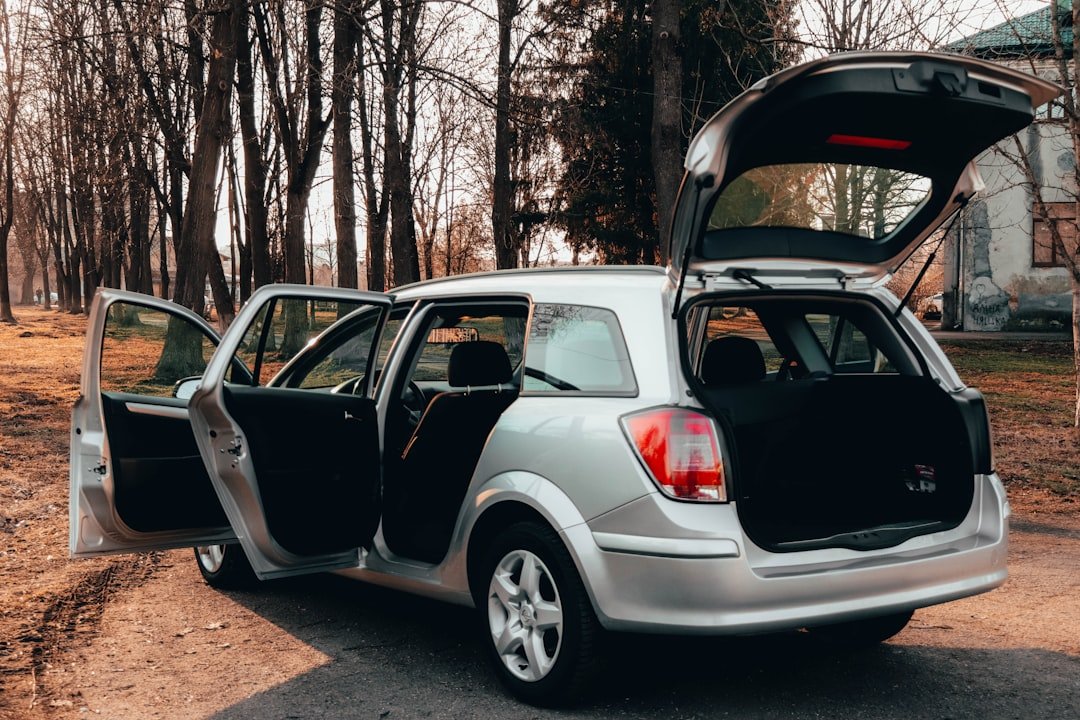
If you’re torn between a small SUV vs wagon, you’re asking the right question—and the answer depends entirely on how you drive. Both vehicles deliver impressive practicality and cargo space, yet they solve different problems for different drivers. A wagon prioritizes long, flat cargo areas and comfort on motorways, while a small SUV vs wagon comparison reveals something important: SUVs offer ground clearance, visibility, and the option to go off-road or handle rougher terrain with confidence.
Quick Comparison: Small SUV vs Wagon
| Factor | Small SUV | Wagon |
|---|---|---|
| Cargo Space (cubic feet) | 30–45 cubic feet | 35–55 cubic feet |
| Seating Height | Higher (easier entry) | Lower (sedan-like) |
| Fuel Economy | 22–28 MPG typical | 24–32 MPG typical |
| Weather Capability | Better in snow and rain | Slippery without winter tyres |
| Ride Comfort | Slightly bouncier | Smoother, sedan-like |
| Towing Capacity | 1,500–2,500 lbs typical | 2,000–3,500 lbs typical |
Why People Choose Small SUVs for Practicality and Cargo Space
The small SUV vs wagon decision often tips toward SUVs because of visibility. Sitting higher changes how you experience the road—you see further ahead, spot hazards sooner, and feel less stressed in traffic. I’ve been using my compact SUV for three years now, and that elevated driving position alone justifies the choice for someone like me who spends time in city centres.
Ground clearance matters more than most people realise.
When snow falls or a pothole appears, your small SUV vs wagon performance gap widens instantly. SUVs handle unpredictable road conditions better, and their practicality and cargo space expand when you need to haul firewood, camping gear, or a damaged car on a tow rope. You’d think a wagon would handle rough surfaces fine—it usually doesn’t without protective undercarriage damage or getting stuck on steep driveways.
Weather resilience shifts the small SUV vs wagon equation significantly in colder climates. An SUV’s higher centre of gravity seems like a drawback until you’re driving through slush at dawn. The combination of better traction, higher suspension, and ability to mount all-terrain tyres makes small SUVs practical choices for Canadian winters or Australian outback trips.
When a Wagon Wins: Comfort, Efficiency, and Space
Don’t dismiss wagons. A wagon delivers practicality and cargo space with sedan-like comfort and better fuel economy than most small SUVs. If your routes stick to motorways, suburban roads, and well-maintained surfaces, a wagon feels more like home than an SUV ever could.
Wagons accommodate long objects effortlessly.
I’ve been recommending wagons to friends who need to transport bicycles, artwork, or flat-pack furniture—a small SUV vs wagon matchup in these scenarios often favours the wagon’s extended, flat floor. The loading area extends almost to the front seats, and the boxy shape means you won’t waste space to wheel arches or sloped cargo covers. Practicality and cargo space reach their peak when you’re moving house or stocking up from a warehouse store.
Fuel costs tip toward wagons too. Most people don’t realise that wagons achieve 4–6 MPG better economy than comparable small SUVs because they sit lower and present less wind resistance. Over five years, that difference funds several tank fills. Ride quality matters equally—wagons absorb bumps smoothly because their suspension prioritizes comfort over off-road performance, making them excellent for drivers with back pain or long commutes.
Deciding Between Small SUV vs Wagon: A Practical Checklist
- Do you drive in snow, ice, or rough terrain at least twice monthly?
- Do you need to load bulky items longer than six feet regularly?
- Does your daily commute include motorway miles where fuel economy becomes noticeable?
- Are you comfortable with a higher step-up into the vehicle, or do you prefer low entry height?
- Will you tow anything heavier than a small trailer, or transport gear that needs weather protection?
- Do you spend time in areas with potholed roads, muddy car parks, or steep driveways?
- Is your family growing, and do you anticipate needing more accessible seating for elderly passengers?
How to Test Drive and Compare Practicality and Cargo Space
Here’s where most people give up and buy whatever looks nicer—resist that instinct. Real comparison requires hands-on testing in your actual environment.
Condition: You’re deciding between a small SUV vs wagon and need to validate which handles your life better.
Audience: Anyone aged 25–55 considering a purchase within the next few months who drives regionally or seasonally.
Method: Extended test drives at dealerships, focusing on cargo loading, weather performance, and comfort over 30+ minutes on your regular routes.
Steps:
- Book separate test drives for a small SUV vs wagon on the same day if possible—comparisons fade within hours.
- Bring a piece of cargo you actually own (a bicycle, child car seat, or luggage stack) and load it into both vehicles to measure real accessibility and depth.
- Drive your normal commute route on both vehicles, paying attention to how each handles corners, braking feel, and visibility at dusk or dawn.
- Park on an incline to test how easily you can load heavy items—this is the part that actually matters for practicality and cargo space judgement.
- Request a detailed printout of fuel economy history from the dealership for any used vehicles, and cross-reference against EPA or manufacturer estimates.
- Ask the sales advisor what warranty covers, especially rust protection and drivetrain coverage, since small SUV vs wagon ownership costs differ after warranty expiry.
Warnings: Never test drive immediately after rain—wet surfaces hide handling characteristics. Avoid test drives near dealership lots only; spend at least 15 minutes on local roads where you’ll actually drive. Don’t compare vehicles more than four hours apart or your impressions will blur.
My Picks for This
- Honda CR-V offers a practical small SUV vs wagon alternative with exceptional reliability, upright driving position, and 39.3 cubic feet of cargo space behind the rear seats.
- Mazda CX-5 delivers the best balance between SUV capability and wagon-like ride comfort, with excellent fuel economy and responsive handling that rivals some wagons.
- Volvo V90 Cross Country bridges the small SUV vs wagon gap by combining wagon practicality with SUV ground clearance and all-wheel-drive sophistication for drivers prioritizing style and capability equally.
- Toyota RAV4 remains unmatched for resale value, reliability over 200,000 kilometres, and genuine all-weather practicality that justifies the small SUV vs wagon comparison for families.
- Subaru Outback splits the difference perfectly—it’s technically a lifted wagon, offering wagon practicality and cargo space with SUV-level all-wheel-drive and ground clearance for drivers who want both worlds.
Frequently Asked Questions (FAQ)
Q1. How much more does a small SUV cost compared to a wagon?
A small SUV typically costs 1,500–3,500 pounds more than an equivalent wagon from the same manufacturer. Luxury models shrink that gap, while budget brands widen it. Always compare specific trim levels and engine options rather than base prices alone.
Q2. Which is safer in an accident, a small SUV or wagon?
Modern safety ratings show mixed results—it depends on the specific model, not the category. Both small SUVs and wagons score five-star ratings from major testing agencies. Check NHTSA, Euro NCAP, or your regional safety authority for exact models before purchasing.
Q3. Can a wagon handle winter driving as well as a small SUV?
Not without dedicated winter tyres and cautious driving. A small SUV vs wagon in winter conditions reveals that SUVs recover better from loss of traction and climb snow-covered hills more reliably. Wagons work fine on maintained roads but struggle on uncleared surfaces.
Q4. Should I buy used or new for a small SUV vs wagon?
Used vehicles offer better value, but warranty coverage drops after three years. New vehicles cost more but provide full manufacturer support and predictable maintenance costs. Budget-conscious drivers find better value in used models aged three to five years; buyers who plan seven-plus years of ownership should consider new.
Q5. What’s the real-world cargo space difference between a small SUV vs wagon?
Wagons typically offer 8–15 cubic feet more usable cargo space because their floor sits flat and level. Small SUVs sacrifice some volume to wheel arches and curved roof lines, but that difference disappears once both vehicles have rear seats folded. For hauling furniture or long items, wagons win; for everyday loading and unloading, both perform equally.
Q6. Which has better resale value after five years?
Small SUVs hold value slightly better—expect 55–65% of original price retained versus 50–60% for wagons. Market demand favours SUVs in most regions, though wagons hold better value in regions with strong European car markets or among enthusiasts prioritising practicality.
This post is for informational purposes only and does not constitute professional mechanical advice, legal advice, financial advice, or insurance guidance. Automotive repairs, installations, and modifications involve inherent risks—always consult a certified mechanic or licensed professional before performing any work on your vehicle. Car prices, insurance rates, EV tax credits, product specs, and availability are subject to change without notice and may vary by location, dealership, and individual circumstances. Always verify current details directly with manufacturers, retailers, dealerships, insurance providers, and relevant government agencies before making any purchase or financial decision. Fuel economy figures, EV range estimates, and performance data referenced in this post are based on manufacturer or third-party estimates and may differ from real-world results. This site may contain affiliate links—if you purchase through our links, we may earn a commission at no additional cost to you. Product recommendations are based on general research and editorial judgment; we do not guarantee suitability for your specific vehicle, driving conditions, or personal situation. Always read product instructions, vehicle owner manuals, and safety warnings before use.