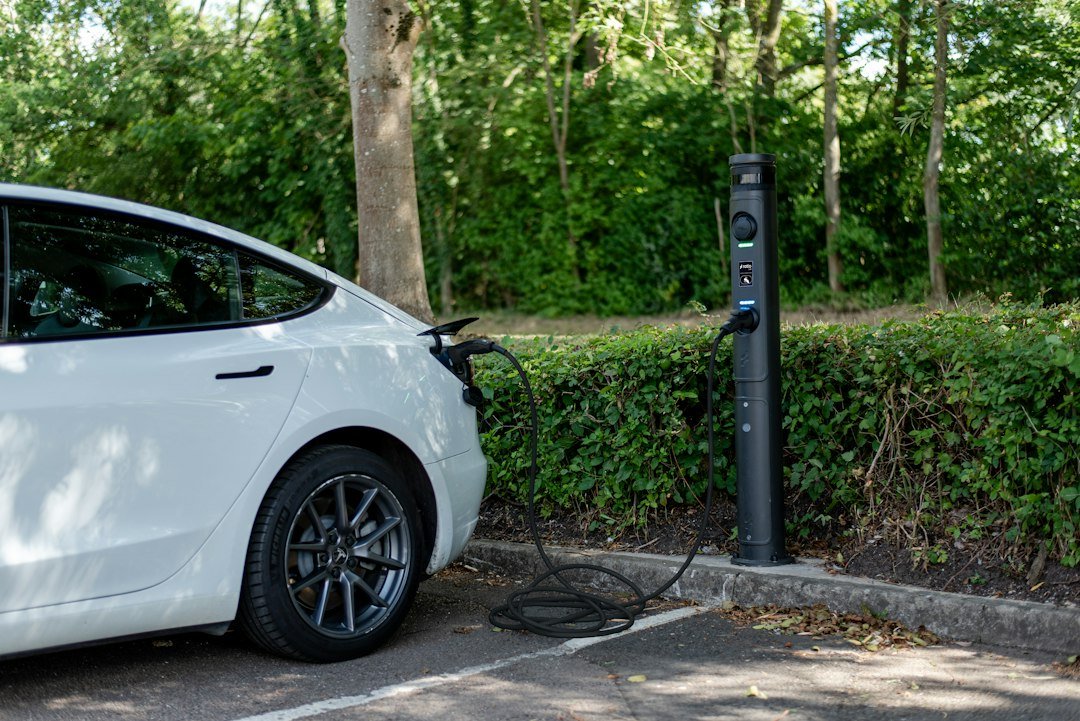
You wake up, unplug the car, and see a normal commute waiting. Is the Tesla Model Y reliable long term for that kind of everyday ownership? Generally, yes: the Model Y’s electric drivetrain has fewer routine service items than a gasoline SUV, and many owners put on substantial mileage without engine, transmission, or exhaust-system repairs. Is the Tesla Model Y reliable long term in every example, though? No. Build quality, suspension wear, tire costs, and Tesla service access can make one owner’s experience very different from another’s.
The basic hardware is fairly simple. There is no oil to change, no spark plugs, and no conventional automatic transmission. That removes several familiar trouble spots, but it does not remove maintenance or repair risk. A Model Y is still a heavy crossover with electronics, cooling systems, brakes, suspension components, glass, body panels, and a large high-voltage battery pack. The long-term question comes down to which of those areas matters most to you.
Is the Tesla Model Y reliable long term for most owners?
For a buyer who can charge at home and has reasonable access to Tesla service, the Model Y can make sense as a long-term daily driver. Battery and drive-unit failures get the headlines because repairs can be expensive outside warranty, yet those are not the routine failures most owners report. Smaller quality and wear issues are more common. Think squeaks, trim alignment, tire wear, rattles, suspension noises, or a door and hatch that need adjustment.
Model year matters. Earlier Model Ys had more frequent reports of inconsistent panel gaps, paint flaws, loose trim, and cabin noises than later production, although a newer vehicle still needs a close inspection. Tesla has revised parts and manufacturing processes over time, so it is risky to assume every Model Y behaves like a 2020 example. Check the individual vehicle. A clean history and careful test drive tell you more than broad internet sentiment.
Reliability also means inconvenience. Tesla’s mobile service can handle certain small jobs in some areas, while collision repairs, body parts, and larger mechanical work may take longer depending on local capacity. That does not make the vehicle unreliable by itself. It does matter when a simple issue leaves you waiting for an appointment or a replacement part.
Common owner complaints to expect
Common owner complaints are usually less dramatic than a failed battery, but they can wear on you over several years. The cabin is quiet, so rattles and wind noise are easier to notice than in many gasoline crossovers. Some owners report creaks around the rear seats, hatch, dash, doors, or panoramic glass. A shop may be able to locate and correct a loose clip, seal, or trim panel, but diagnosis can take time because noises often appear only on rough roads or at certain temperatures.
| Area | What owners commonly notice | What to check before buying |
|---|---|---|
| Build quality | Panel alignment, paint flaws, trim rattle, wind noise | Inspect in daylight and drive at highway speed |
| Suspension and steering | Clunks, squeaks, uneven tire wear | Listen over bumps and inspect tire tread edges |
| Tires | Faster wear from vehicle weight and instant torque | Check remaining tread and confirm replacement cost |
| Electronics | Screen glitches, camera issues, sensor warnings | Test cameras, locks, lights, charging, and driver controls |
| Battery and range | Normal range decline and reduced cold-weather range | Review range estimate, charging behavior, and warranty status |
Tires are a real budget item. The Model Y is heavy and delivers torque immediately, so aggressive acceleration, hard cornering, poor alignment, or low tire pressure can wear tread much faster than some drivers expect. Tire size also matters because larger wheel packages can cost more to replace and usually ride firmer. Rotate tires when appropriate for the tire setup, monitor pressure, and have uneven wear checked early. Small problems get expensive.
Suspension complaints deserve a serious look on a used Model Y. Listen for knocking over low-speed bumps, squeaks when turning, or a vague feel through the steering wheel. Those symptoms can come from normal wear items, loose hardware, alignment issues, or something that needs deeper inspection. A pre-purchase inspection with an EV-capable shop is sensible, especially on a higher-mileage vehicle or one with large wheels and rough-road use.
The touchscreen is central to the car. Most functions rely on it, including climate settings and many vehicle controls, so a screen or software issue feels more disruptive than a bad radio in an older car. Test the display, cameras, Bluetooth, phone key operation, power windows, mirrors, seat adjustments, hatch, charging-port door, and air conditioning before purchase. Software updates can address some bugs. They cannot repair worn hardware.
Battery life and long-term range
The battery is the expensive part everyone worries about. Lithium-ion batteries normally lose some usable capacity as they age, so a Model Y will not necessarily show the same range after years of use that it showed when new. That is expected. Cold weather, highway speed, headwinds, wheel choice, cargo, and cabin heat can also change displayed and real-world range on any given day.
Tesla’s battery and drive-unit warranty has varied by version, market, and production year, so confirm the exact coverage using the vehicle identification number and the official warranty documents for your location. Do not rely on a seller’s summary. In the United States, Tesla has commonly stated a separate battery and drive-unit warranty with mileage and retention terms that differ by Model Y configuration, but current details should be verified directly with Tesla.
For long battery life, daily habits matter more than rituals. Use home charging if available, avoid routinely leaving the vehicle at an extreme state of charge for long periods unless Tesla specifically recommends it for that battery type, and use DC fast charging when it fits your trips rather than treating it as the only charging method. The car’s own charging guidance is the best starting point. Battery chemistry differs by version.
A used EV battery cannot be judged by odometer reading alone. Look at the estimated range after a full charge only as one clue, since software estimates can move around. Ask about charging history, watch for warnings, verify that DC fast charging works, and review service records. A vehicle that charges normally, has no battery alerts, and drives smoothly is more reassuring than one with a perfect-looking range number but unexplained faults.
Maintenance costs and repairs after warranty
Routine maintenance is lighter than on a gasoline SUV, but it is not zero. Tires, cabin air filters, brake fluid checks, wiper blades, washer fluid, alignment work, and air-conditioning service still exist. Brake pads may last a long time because regenerative braking handles much of the slowing, especially in city driving. Rust can still happen. Road salt does not care what powers the vehicle.
Body repairs can be the unpleasant surprise. The Model Y’s cameras, sensors, aluminum and steel structure, paint matching, and parts availability can turn a modest parking-lot impact into a costly repair. Get insurance quotes before committing, particularly for a younger driver, an urban address, or a newer vehicle with a high replacement value. Rates vary by region and insurer. Check what your own policy would actually cover.
When comparing a Model Y with a conventional compact luxury SUV, do not focus only on electricity versus fuel. Add likely tire replacement, insurance, registration fees, home-charger installation, and possible out-of-warranty repair exposure. For example, saving $120 a month on fuel but paying $40 more for insurance and setting aside $30 monthly for higher tire and repair costs leaves a smaller real-world saving. Do the math for your location.
How to buy one with fewer surprises
A careful inspection is the best long-term reliability tool. For a new Model Y, examine paint, panel alignment, weather seals, wheel condition, glass, hatch operation, seat function, and interior trim before accepting delivery. Photograph anything questionable. Small concerns are easier to document at the start than after weeks of driving.
For a used Model Y, take a longer test drive. Start with a cold cabin if possible, drive city streets and faster roads, run the climate control, test every camera, charge the vehicle, and listen over broken pavement. Check tire dates and tread depth. Review accident history and service invoices. If the seller resists an independent inspection, walk away.
The best Model Y for long ownership is usually not the cheapest one advertised. A well-kept example with even tire wear, clean charging behavior, documented repairs, no warning messages, and nearby service support can be the safer bet than a bargain vehicle with cosmetic damage, prior collision work, or unresolved noises. Buy the condition. The badge comes second.
The Model Y is not maintenance-free, and it is not immune to annoying quality issues. Still, its core electric powertrain can be a strong point for owners who charge conveniently and maintain the vehicle like any other heavy crossover. Go in expecting tire and suspension wear, inspect build quality closely, and price insurance before signing. That approach is practical.
Related posts
This article is for general informational purposes only and is not mechanical, legal, financial, or insurance advice. Prices, insurance rates, tax credits, and manufacturer-stated fuel economy or EV range are estimates that change over time and vary by vehicle, region, and provider — always verify current figures with a dealer, mechanic, insurer, or official source before making a decision.
Disclosure: This post may contain affiliate links. If you click through and make a purchase, we may earn a commission at no extra cost to you. We only recommend products we’ve researched or genuinely believe in.