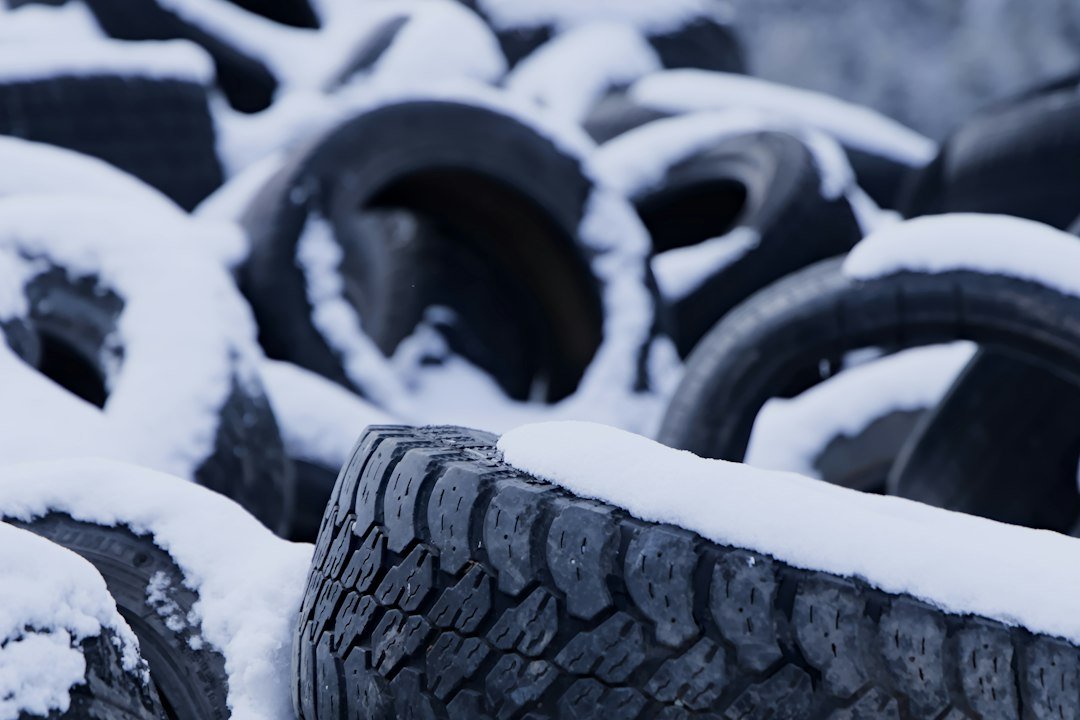
You don’t need to guess which best winter tires for SUVs will keep you safe on a frozen highway. The right winter tires cut stopping distances by up to 25% on ice compared to all-season tires, and that difference means avoiding collisions. Best winter tires for SUVs aren’t a luxury anymore—they’re essential for anyone driving in snow-prone regions, and I’m walking you through exactly how to pick them without overspending.
Quick Winter Tire Comparison for SUVs
| Tire Type | Best For | Traction Rating | Price Range | Lifespan |
|---|---|---|---|---|
| Studded Winter | Heavy ice and packed snow | Excellent | High | 3-4 seasons |
| Studdless Winter | Mixed winter conditions | Very Good | Mid-range | 4-5 seasons |
| Performance Winter | Winter driving with spirited handling | Good to Very Good | Mid-range to High | 4-5 seasons |
| All-Season (Not Recommended) | Mild climates only | Poor on ice | Low | 5-6 seasons |
Why Best Winter Tires for SUVs Matter More Than You Think
You’d think heavier SUVs perform fine on snow because of their weight—it usually doesn’t work that way. Mass alone gives you zero traction on ice. Winter rubber has a completely different compound than summer or all-season tires. The rubber stays flexible below 45 degrees Fahrenheit, while all-season compounds harden and lose grip. Best winter tires for SUVs also feature sipes, which are tiny slits that bite into ice and snow, creating micro edges that grip better than smooth rubber ever could.
I’ve been using winter tires on my SUV for the past eight years, and the difference is immediate the first time you brake hard on packed snow. Your stopping distance shrinks noticeably. Insurance companies recognize this too—some offer discounts when you switch to winter tires, sometimes reducing premiums by 5-10% during winter months depending on your insurer and region.
Most people don’t realize that winter tires aren’t just about safety. They’re also about fuel efficiency during cold months. All-season tires increase rolling resistance in freezing temperatures, which burns more fuel. Proper winter tires reduce that penalty and save you money at the pump.
What to Check Before Buying Best Winter Tires for SUVs
- Verify your SUV’s tire size from the driver’s door jamb sticker or owner’s manual, not the sidewall of your current tires
- Confirm your vehicle’s load index and speed rating requirements from the manufacturer specifications
- Check whether your region permits or requires studded tires; some areas ban them or restrict use to specific months
- Measure your current tread depth with a penny test to confirm they’re truly worn out
- Research local tire shops and national retailers to compare installation fees and warranty options
- Decide if you’ll store tires yourself or pay for seasonal storage at your installer
How to Choose the Right Winter Tires for Your SUV
Start with your driving environment. If you live in an area with light winter snow and salted roads, studdless winter tires deliver excellent value and traction without the extra cost and noise of studded options. Heavy ice and packed snow? Studded tires shine there, though they cost more and wear faster on bare pavement. Performance winter tires split the difference—they handle responsively on snow while maintaining some composure on dry roads, making them ideal for urban drivers who occasionally venture into mountains or heavy snow.
Next, match the tire’s 3PMSF rating. This Three-Peak Mountain Snowflake symbol means the tire meets severe winter performance standards and is legally recognized in winter weather regions. Best winter tires for SUVs carry this rating.
Step-by-Step Process: Selecting and Installing Winter Tires
Condition: Your SUV currently rides on all-season or summer tires, and you live where winter weather requires better traction and safety.
Audience: SUV owners aged 25–55 who want to make an informed decision without overpaying or settling for poor traction.
Method: Use a systematic approach that balances safety ratings, real-world performance data, budget constraints, and your specific climate.
- Check your vehicle’s door jamb placard for the OEM tire size, load index, and speed rating; write these down before shopping
- Research the top three best winter tires for SUVs in your size category using independent testing sources and owner feedback
- Compare prices across at least three retailers, including national chains and independent shops, factoring in mounting and balancing costs
- Read recent owner reviews specifically mentioning your vehicle model and regional climate to spot real-world patterns
- Schedule installation at least two weeks before heavy snow hits; last-minute demand drives up wait times and prices
- Verify that the installer will balance tires, check wheel alignment, and inspect brakes as part of the service
- Ask about storage options if you lack space at home; monthly storage fees typically range from a few dollars to over ten dollars per tire depending on location
- Request a receipt documenting tire model, DOT date code, and warranty coverage for your records
Here’s where most people give up: they ignore the wait time. Book your appointment early. I’ve seen so many drivers waiting until December or January, then paying rush fees or driving on inadequate rubber for weeks while waiting for a slot.
This is the part that actually matters—rotation and pressure checks. Winter temperatures drop tire pressure by about 1 PSI for every 10 degrees Fahrenheit the temperature falls. Check your pressures every two weeks and adjust to the manufacturer’s specification found on your door jamb, not the sidewall of the tire.
My Picks for This
- Michelin X-Ice Xi3 A studdless winter tire that balances traction and braking distance on ice with a quieter ride than competitors, making it ideal for daily winter commuting in moderate to heavy snow regions.
- Bridgestone Turanza QuietTrack A performance winter option engineered for SUVs that need responsive handling on snow without sacrificing comfort on dry pavement, backed by solid warranty coverage and good resale value.
- Continental IceContact xT A studded tire choice if your region experiences consistent ice and packed snow; it delivers exceptional grip where studdless tires lose confidence, though it costs more and requires seasonal swaps.
- Goodyear WinterCommand Ultra A value-oriented best winter tire for SUVs that doesn’t sacrifice safety ratings; owners report strong traction and braking on snow while keeping costs lower than premium brands without compromising on the 3PMSF rating.
- Pirelli Scorpion Winter Built specifically for SUV and crossover profiles with reinforced sidewalls for higher load capacity; delivers excellent traction in mixed winter conditions and performs competently when temperatures climb above freezing.
Frequently Asked Questions (FAQ)
Q1. How much do best winter tires for SUVs cost?
Winter tire prices vary by brand, model, and tire size. Budget-friendly studdless options start around fifty to eighty dollars per tire, mid-range performance winter tires run one hundred to one hundred fifty dollars each, and premium studded or high-performance winter tires can exceed two hundred dollars per tire. Always add installation costs, which typically range from fifteen to forty dollars per tire at most shops.
Q2. Can I mix winter tires on my SUV if I can only afford two sets initially?
No. Never mix winter tires on the front and all-season on the rear, or vice versa. This creates unpredictable handling and increases accident risk. Either equip all four wheels with winter tires or stick with all-season rubber and upgrade to a full set as soon as possible. Some insurers won’t cover accidents involving mismatched tire types.
Q3. When should I switch from winter tires back to all-season or summer tires?
Swap when temperatures consistently stay above 45 degrees Fahrenheit during the day. For most regions, this occurs between late April and early May. Winter tires wear faster on warm pavement, so don’t leave them on longer than necessary. Mark your calendar and plan the changeover during a regular maintenance window.
Q4. Do I need to buy wheels separately, or can I reuse my current ones?
You can reuse your current wheels if they fit the winter tire size your SUV requires. Many drivers buy a separate set of wheels for winter tires to avoid paying for mounting and balancing twice per year. This also lets you store off-season tires more compactly. Dedicated winter wheels cost fifty to two hundred dollars each depending on material and brand, but the convenience and time savings pay off quickly.
Q5. Are best winter tires for SUVs covered under warranty if they wear out quickly?
Most winter tire manufacturers offer tread-wear warranties ranging from twenty-five thousand to sixty thousand miles, depending on the model and brand. However, warranty claims typically cover defects, not normal wear. Check the specific warranty terms before purchasing, as coverage varies significantly between retailers and brands.
Q6. Can I use best winter tires for SUVs on pavement and gravel roads mixed together?
Winter tires work fine on cleared or bare pavement during winter months, though they wear faster than all-season tires on dry roads. Gravel roads are rougher and accelerate wear further. If you drive mixed terrain regularly, studdless winter tires tolerate gravel better than studded options, which can pop out on rough surfaces.
This post is for informational purposes only and does not constitute professional mechanical advice, legal advice, financial advice, or insurance guidance. Automotive repairs, installations, and modifications involve inherent risks — always consult a certified mechanic or licensed professional before performing any work on your vehicle. Car prices, insurance rates, EV tax credits, product specs, and availability are subject to change without notice and may vary by location, dealership, and individual circumstances. Always verify current details directly with manufacturers, retailers, dealerships, insurance providers, and relevant government agencies before making any purchase or financial decision. Fuel economy figures, EV range estimates, and performance data referenced in this post are based on manufacturer or third-party estimates and may differ from real-world results. This site may contain affiliate links — if you purchase through our links, we may earn a commission at no additional cost to you. Product recommendations are based on general research and editorial judgment; we do not guarantee suitability for your specific vehicle, driving conditions, or personal situation. Always read product instructions, vehicle owner manuals, and safety warnings before use.