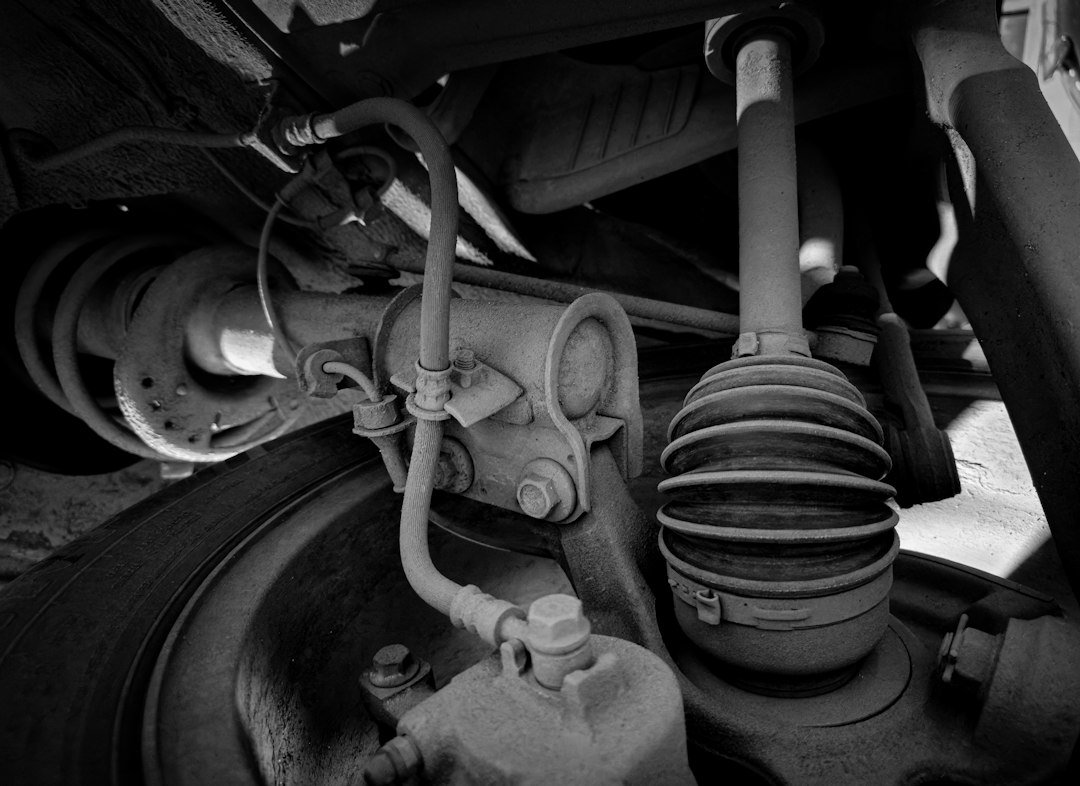
What is brake by wire technology? It is a braking system where the pedal request is measured electronically, then a control unit commands hydraulic pressure, electric brake actuators, or both to slow the vehicle. The name can sound alarming. In most production cars, brake-by-wire technology still retains hydraulic brakes and a designed fallback mode rather than replacing every mechanical connection with software.
Pressing a conventional brake pedal moves a master cylinder directly. Fluid pressure travels through brake lines and pushes the caliper pistons against the discs. It is simple. Brake-by-wire adds sensors that read pedal travel and force, an electronic control unit, and an actuator that creates or manages braking pressure based on that request.
The pedal may not be physically connected to the hydraulic circuit in the usual way, depending on the design. Instead, a pedal simulator creates the firm, progressive resistance your foot expects, while the system calculates how much slowing force is needed and distributes it at individual wheels. Response is fast. That control is useful when a vehicle must blend several braking sources without making the pedal feel inconsistent.
What is brake by wire technology used for?
Its biggest job in hybrids and EVs is brake blending. When you ask for a gentle stop, the electric drive motor can operate as a generator and recover energy to the battery. This is regenerative braking. If you need more stopping power than regeneration can provide, or the battery cannot accept much charge because it is cold or nearly full, the system adds friction braking at the discs.
Without electronic coordination, that handoff can feel grabby or uneven. A well-calibrated system aims to make it feel like one smooth pedal stroke, even while the computer shifts the balance between motor regeneration and hydraulic calipers many times during a drive. Most drivers never notice. That is the point.
Brake-by-wire also gives stability control and automated emergency braking a more direct way to request precise pressure at one wheel or several wheels. Conventional hydraulic braking already works with ABS and stability control, but electronic actuation can give engineers tighter control over pressure build-up, pedal feel, and the interaction between driver inputs and driver-assistance systems. Calibration matters a lot.
How the system works
- You press the pedal. Travel, force, and sometimes pedal-speed sensors measure what your foot is asking for.
- The controller checks conditions. It considers vehicle speed, wheel-speed sensors, grip signals, stability-control inputs, available regenerative braking, and battery limits.
- It commands braking force. An electrohydraulic unit may build brake-fluid pressure, while an EV motor may provide some of the requested deceleration through regeneration.
- It monitors itself. The system compares sensor readings and pressure data, then can switch to a backup strategy if it detects a fault.
There are different layouts. Some vehicles use an electrically driven hydraulic pump and pressure control unit, while others keep a more familiar hydraulic arrangement but electronically manage the blend between regeneration and friction brakes. Full electromechanical wheel brakes, where electric actuators clamp the pads without conventional hydraulic fluid lines, are less common in everyday passenger vehicles. The label gets used broadly.
Pros and cons explained
The main advantage is control. Brake-by-wire can recover more energy in an electrified vehicle, react quickly for traction and stability functions, and tune pedal feel separately from the exact pressure sent to the brakes. That separation lets engineers make the pedal consistent when regenerative braking availability changes because of battery temperature, charge level, or road speed.
It can also reduce wasted friction braking during normal driving. Less disc use may mean less pad wear in some EV and hybrid use cases, although brake discs can still corrode when they are used too lightly in wet or salty climates. Use the brakes normally. Occasional firm, safe stops can help clean light surface rust, but follow the vehicle manual and do not try this on public roads if conditions are unsafe.
The downside is complexity. A conventional hydraulic fault can often be traced through fluid level, leaks, hoses, calipers, and a master cylinder, while a brake-by-wire issue may involve sensors, wiring, a pump or actuator, software logic, and fault codes. Diagnosis usually needs a scan tool that can communicate with the vehicle’s brake controller. This can raise repair costs.
Pedal feel is another trade-off. Some early hybrid and EV systems have felt artificial, especially when the vehicle transitions between regeneration and friction braking at low speeds or over rough pavement. Newer systems are generally better tuned. Still, a driver who likes a direct hydraulic pedal may notice the difference.
Reliance on electrical power worries many buyers. That concern is fair. Manufacturers build in redundant sensors, warning systems, stored electrical energy, and backup braking modes, but the exact protection depends on the vehicle design. Read the owner’s manual for your model. Do not assume every brake-by-wire system fails the same way.
What happens if it develops a fault
A warning lamp, warning message, changed pedal feel, noisy electric pump, or reduced regenerative braking can point to a problem. A brake warning is not a wait-and-see item. Pull over safely if braking feel changes sharply, follow the vehicle instructions, and arrange professional inspection rather than continuing a normal commute.
Many systems revert to hydraulic braking with more pedal effort if an electronic portion fails. Others use stored hydraulic pressure or a secondary circuit. The vehicle may still stop. But reduced assist, altered pedal travel, and limited regeneration can make it behave very differently, particularly in a heavy SUV or when towing.
A low 12-volt battery can also create confusing warning messages in modern cars because control modules and electrically driven pumps depend on stable voltage. That does not mean the battery is always the cause. It is just one sensible first check for a shop after a scan for stored fault codes.
What owners should do
Routine care is still fairly ordinary. Check the brake-fluid service interval in the manual, have pads and discs inspected, and do not ignore recalls or software campaigns that involve braking controls. Brake fluid absorbs moisture over time. Replacing it at the specified interval helps protect internal hydraulic parts, even on a vehicle that relies heavily on regeneration.
During a test drive, try several controlled stops in a safe area. The pedal should feel predictable, the car should track straight, and warning lights should go out after startup. A little change in braking feel as an EV slows is not automatically a defect. Sudden grabbing, a sinking pedal, persistent warnings, or a message that says braking performance is reduced deserves prompt inspection.
For a used-car buyer, ask for service records and check whether brake-related recalls were completed. Then have a qualified shop inspect the vehicle and scan its modules before purchase, especially if the dash has warning lights or the seller says a warning “comes and goes.” That phrase costs money. Verify repair history and current system status yourself.
Brake-by-wire is not inherently better or worse than traditional hydraulics. It is a tool that makes EV regeneration and electronic safety systems work more smoothly, while adding components that need correct diagnosis when something goes wrong. For most owners, the practical rule is simple: judge the vehicle’s pedal consistency, maintenance history, warning status, and available repair support rather than the technology name alone.
Related posts
This article is for general informational purposes only and is not mechanical, legal, financial, or insurance advice. Prices, insurance rates, tax credits, and manufacturer-stated fuel economy or EV range are estimates that change over time and vary by vehicle, region, and provider — always verify current figures with a dealer, mechanic, insurer, or official source before making a decision.
Disclosure: This post may contain affiliate links. If you click through and make a purchase, we may earn a commission at no extra cost to you. We only recommend products we’ve researched or genuinely believe in.