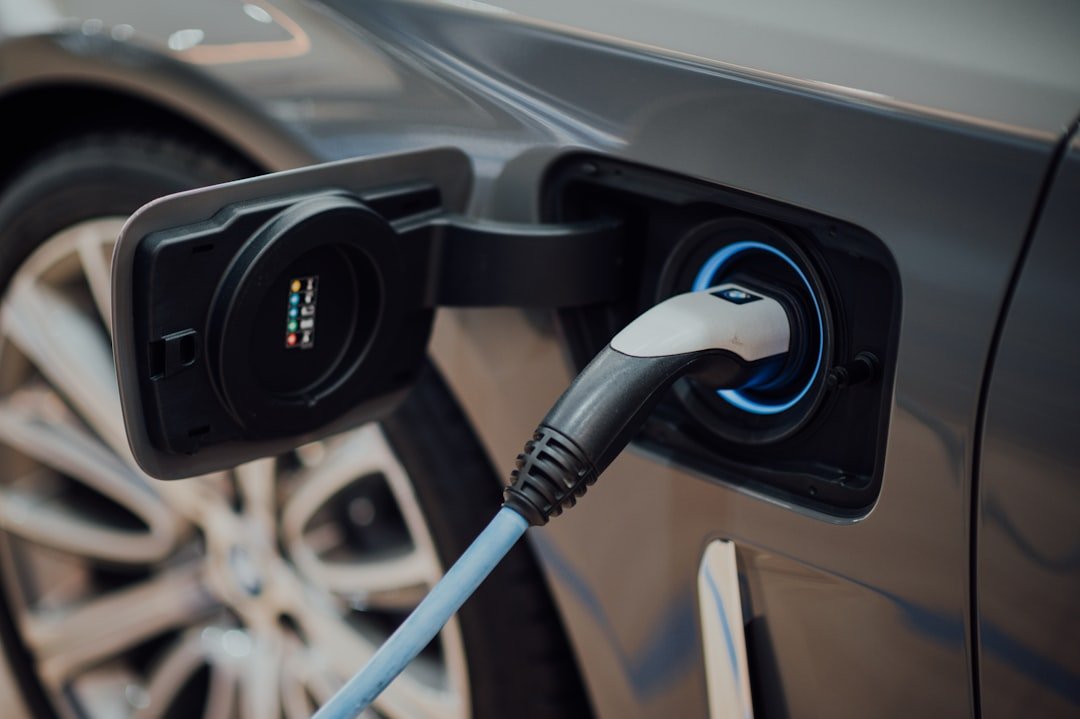
How long does an EV battery last? For most drivers, the practical answer is about 10 to 20 years, with many packs still usable after that even though they no longer deliver their original range. It lasts a while. How long does an EV battery last depends less on the odometer alone than on battery chemistry, climate, charging habits, vehicle design, and how much capacity you need for your regular trips.
Battery failure and battery aging are different things. That matters. A pack can lose some usable capacity over time and still be perfectly dependable for commuting, school runs, shopping, and road trips with a little more charging planning. A truly failed high-voltage battery is less common, but repair costs can be substantial when it happens outside warranty, so it pays to understand what normal aging looks like before assuming the worst.
How long does an EV battery last before replacement?
Most modern EV makers cover the battery for around eight years or 100,000 miles in the US, though terms differ by brand, model, country, and model year. Check the paperwork. In many cases, the warranty promises repair or replacement if the battery capacity drops below a stated threshold, often around 70 percent of its original usable capacity, rather than promising that the car will retain its original range.
That warranty period is not a countdown to battery replacement. Plenty of EVs continue driving normally beyond it. A battery that has retained 80 percent of its original usable capacity at 10 years may have lost noticeable range, yet it can still suit an owner whose daily driving is modest and who can charge at home or work.
Think in terms of usable range. If a new EV delivered 300 miles in mild weather, 80 percent remaining capacity suggests roughly 240 miles under similar conditions before accounting for speed, weather, tires, elevation, and cabin heating or air conditioning. That is a meaningful change. It is not automatically a bad car.
Some early EVs with limited thermal management aged faster in very hot climates than newer liquid-cooled designs. Design matters. Current EV battery packs generally have better cooling, heating, software controls, and charging management than the first mass-market electric cars, but no battery is immune to age, heat, and repeated cycling.
What causes EV battery degradation?
Lithium-ion batteries age through calendar time and use. Both count. Calendar aging happens even when the car is parked because chemical changes continue inside the cells, especially when the pack sits hot or remains at a very high state of charge for long periods.
Cycle aging comes from charging and discharging. One full cycle does not mean one driving day. It means using energy equal to the pack’s full usable capacity, so two drives that each use half the battery add up to about one full cycle.
Heat is the biggest enemy. A battery that spends years parked in intense heat, especially at 100 percent charge, is under more stress than one that lives in a mild climate and is usually kept at a moderate charge level. Cold weather reduces available range temporarily, but cold itself is generally more of a short-term performance issue than the long-term damage caused by sustained high heat.
Frequent DC fast charging can add wear, particularly if the battery is hot, nearly empty, or charged to a high percentage over and over. Context matters. Using a fast charger on road trips is normal, and modern cars limit charging power to protect the pack. Relying on it several times a week for years, when slower charging is available, is a different pattern.
High charge levels also deserve attention. Many EVs are happy to be charged to 100 percent before a long trip, but leaving the vehicle full for days in hot weather is harder on the cells than charging to a lower daily limit. The owner’s manual is the final word because recommended limits vary by battery type and manufacturer.
Signs of battery degradation to watch for
The clearest sign of battery degradation is a lasting reduction in driving range under similar conditions. Watch trends. A single short range result does not prove anything because winter temperatures, heavy rain, high speeds, strong winds, tire pressure, roof racks, cargo, and cabin climate settings can all change consumption dramatically.
Look for a pattern over several months. If the car once managed 250 miles on your normal warm-weather route and now regularly manages 205 miles with the same tires, speeds, weather, and driving style, that is useful evidence of capacity loss. Keep notes or use the vehicle’s trip and energy screens rather than relying on a single dashboard range estimate.
Changes in charging behavior can also matter. A vehicle may take longer than usual to charge, stop charging unexpectedly, limit DC fast-charge speed more aggressively than before, or show an unusually large gap between the displayed state of charge and the range you actually get. These symptoms do not always mean the battery is failing. A charger issue, software update, cold pack, charging station fault, or weak 12-volt battery can create confusing symptoms too.
Dashboard warnings deserve prompt attention. Messages about an electric drive system fault, reduced power, battery service, insulation fault, or inability to charge should be documented with photos and checked by a dealer or qualified EV repair shop. Do not ignore them. High-voltage systems are not a driveway experiment.
Other clues include sudden range drops, a large and persistent imbalance between charging sessions, unusual cooling fan operation after normal driving, or the car entering reduced-power mode without an obvious explanation. None of these signs confirms a damaged pack by itself, but they justify a diagnostic check, particularly if the vehicle is still within its battery warranty.
Normal range loss versus a battery problem
Gradual loss is expected. It is often fastest in the first few years, then slows, although the exact pattern varies. A small drop in displayed range after a software update may also reflect a recalibrated estimate rather than a physical loss of battery capacity.
Temporary range loss has familiar causes. Cold weather thickens fluids, reduces battery efficiency, and increases heating demand. At highway speed, aerodynamic drag rises quickly, so driving 75 mph instead of 60 mph can use much more energy than many new EV owners expect.
Start with simple checks before booking major work. Confirm tire pressures when cold, remove unnecessary roof accessories, compare like-for-like routes, and check whether climate settings or driving mode changed. Then review the vehicle’s built-in battery health screen, if it has one, or ask a dealer or independent EV specialist for a battery health report.
A proper assessment may include reading fault codes, checking cell voltage balance, reviewing battery temperature behavior, and measuring usable capacity through the vehicle’s diagnostic system. Results vary. A shop should explain whether it is reporting estimated state of health, usable energy, or a simple range prediction, because those are not the same measurement.
Charging habits that help battery life
Use the charge limit setting. For many EVs, a daily limit around 70 to 80 percent is a sensible default when you do not need the full range, while 100 percent is best saved for a trip or the occasions your manufacturer specifically recommends it. Some battery chemistries have different guidance, so follow the manual for your exact vehicle.
Charge before the battery gets extremely low when practical. There is no need to panic at 20 percent, and occasional low states of charge are part of normal use. Still, regularly running near empty and then immediately fast charging to full creates more stress than keeping the battery in a middle range most of the time.
Level 2 home charging is usually easier on both the battery and your routine than depending on public fast chargers. It is convenient. Slow overnight charging also gives the car time to manage battery temperature, and it usually costs less than rapid public charging, although electricity prices vary by location and time of use.
When fast charging on a trip, use the navigation system if it prepares the battery for the charger. Arrive with enough charge to avoid anxiety, but not so much that the car spends a long time charging slowly near 100 percent. Charging often slows sharply above about 80 percent because the vehicle protects the pack.
Parking habits help too. Shade or a garage reduces heat exposure, especially in very hot regions. If the car will sit for weeks, check the manual for its recommended storage charge level; a moderate state of charge is commonly preferred over leaving it nearly empty or fully charged.
When battery replacement makes sense
Replacement makes sense when capacity loss no longer fits your driving needs, when a battery fault prevents reliable operation, or when the pack qualifies for warranty repair. It is a big decision. Some vehicles can have individual modules, contactors, cooling parts, sensors, or other related components repaired without replacing the entire pack, but the available options depend heavily on the model and local repair support.
Before approving expensive work, get the battery diagnostic in writing and ask what part has actually failed. Ask whether the quoted repair uses a new, remanufactured, or salvage component, what warranty applies to the repair, and whether software updates or related cooling-system work are included. Verify current pricing with the dealer or repair shop because battery parts and labor rates change quickly.
For used EV buyers, battery health should be part of the inspection just like tires, brakes, accident history, and charging equipment. Request the remaining factory battery warranty, check for open recalls, confirm the car’s real-world range on a test drive, and look for a documented battery health result if the seller can provide one. A used EV with moderate degradation can still be a good buy if its current range fits your life and its price reflects that reality.
The practical takeaway is simple. Most EV batteries do not suddenly die at a fixed mileage, and normal degradation is usually gradual enough that owners have time to adapt. Treat the battery well, track meaningful changes, and get warnings checked early. That gives you the best shot at long, useful service from the most expensive component in the vehicle.
Related posts
This article is for general informational purposes only and is not mechanical, legal, financial, or insurance advice. Prices, insurance rates, tax credits, and manufacturer-stated fuel economy or EV range are estimates that change over time and vary by vehicle, region, and provider — always verify current figures with a dealer, mechanic, insurer, or official source before making a decision.
Disclosure: This post may contain affiliate links. If you click through and make a purchase, we may earn a commission at no extra cost to you. We only recommend products we’ve researched or genuinely believe in.