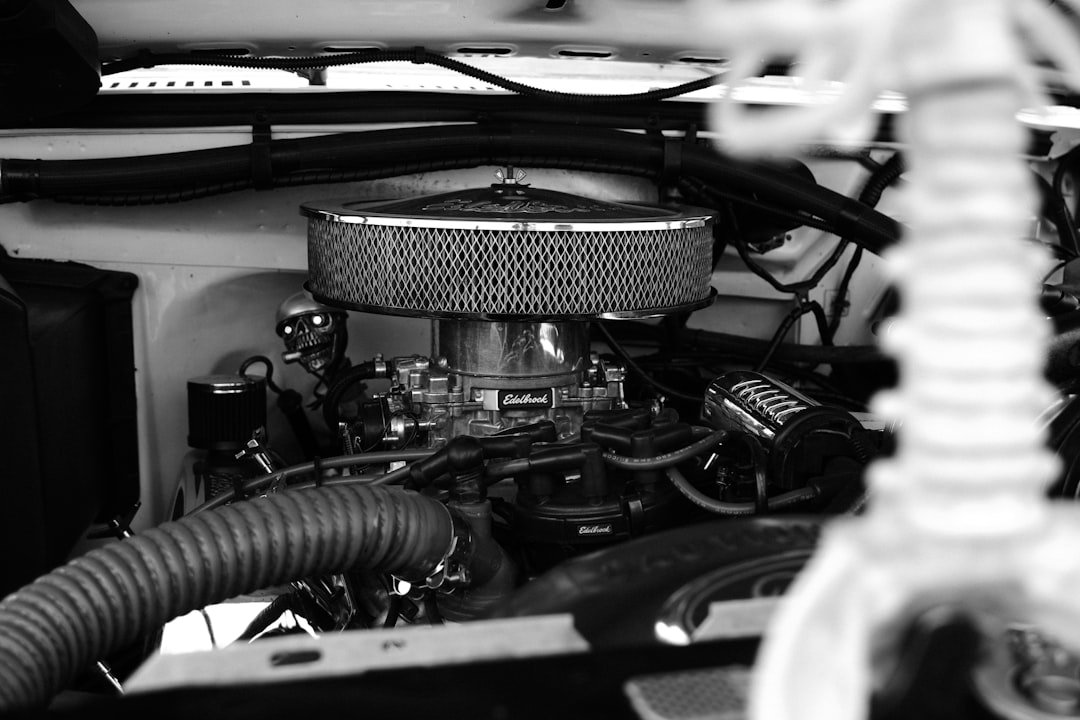
A common misconception is that how to replace a car air filter means changing the filter behind the glove box. Usually, that is the cabin air filter. The engine air filter sits under the hood and keeps dust, grit, leaves, and other debris out of the intake system before air reaches the engine. It is simple work. On many cars, this is a 10- to 20-minute job with no special tools, but the layout varies enough that checking your owner’s manual before opening anything is smart.
A clean engine filter helps the engine breathe through the intake as designed. Do not expect a dramatic horsepower gain. Replacing a badly clogged filter can restore normal airflow, though, and it removes one cheap maintenance item from your list. Your manual has the official service interval. Driving on gravel roads, in dry dusty areas, or through construction zones can dirty a filter much sooner than the normal schedule.
What you need before starting
Buy the correct engine air filter for your exact year, make, model, and engine. Engine size matters. Parts catalogs commonly ask for this information because the same vehicle model may use different air boxes and filter shapes across trim levels or engine options.
You will usually need very little:
- A replacement engine air filter
- A clean rag or paper towel
- A flashlight
- A screwdriver or small socket set, if your air box uses fasteners
- Your owner’s manual, if the housing is hard to identify
Skip the compressed air. Blasting an old paper filter may damage the media or push dirt farther into it, and it does not make the filter new. A reusable oiled filter is different. Follow that filter maker’s cleaning and oiling instructions exactly, since too much oil can cause trouble on some sensor-equipped intake systems.
How to replace a car air filter step by step
Park on level ground, switch the engine off, and let hot engine parts cool if you have just driven. Set the parking brake. You generally do not need to disconnect the battery for a normal filter replacement, but avoid touching electrical connectors and do not start the engine with the air box open.
- Open the hood and find the air filter housing. Look for a black plastic box connected to a large intake tube that leads toward the engine. It is often near the front corner of the engine bay. The box may have clips, screws, or bolts around its edge.
- Confirm it is the engine air box. The cabin filter is commonly behind the glove box, under the dash, or at the base of the windshield. Do not remove a random cover. The engine air box has an intake duct attached to it.
- Clear loose debris from the outside. Wipe leaves and dirt away from the housing seam before opening it. Keep it clean. This step reduces the chance that debris falls into the lower half of the air box.
- Release the clips or remove the fasteners. Some housings use metal spring clips that pull open by hand. Others use Phillips screws, Torx screws, or small bolts. Put any removed hardware in a tray or cup so it does not disappear into the engine bay.
- Lift the cover carefully. You may be able to raise it enough to remove the filter without disconnecting the intake tube. Do not force it. If a hose, wiring connector, or sensor is holding the cover in place, inspect the manual or housing design before disconnecting anything.
- Remove the old filter. Note which side faces up and where the rubber or foam sealing edge sits. Take a quick phone photo if needed. A filter installed backward may still fit, but its seal may not sit correctly.
- Inspect the lower air box. Use the flashlight and remove loose leaves, sand, or bugs with a rag. Do not push debris down the intake tube. If you see standing water, a damaged housing, chewed wiring, or a loose intake duct, stop and have a shop inspect it.
- Set the new filter in place. Match its shape to the old one. The filter should lie flat in its channel with the sealing gasket fully seated around the perimeter. No gaps. A warped filter edge or pinched gasket lets unfiltered air bypass the filter.
- Reinstall the cover. Align the cover before tightening screws or snapping clips shut. Tighten fasteners evenly until snug. Plastic air boxes crack easily if you overtighten screws or bolts.
- Check your work. Make sure every clip is closed, every fastener is installed, and the intake tube is attached securely. Start the engine and listen briefly for an unusual hiss, whistle, or rattling cover. If it runs normally and no warning light appears, close the hood.
Take your time around the seal. The filter itself is inexpensive, but a cover that is not seated properly can allow dirty air in or create an intake leak. On a vehicle with a mass airflow sensor, an air leak downstream of the filter can sometimes cause rough running or a check-engine light. If that happens after the job, recheck the air box fitment and have fault codes diagnosed rather than guessing.
How to tell whether the filter needs replacement
Color alone is not a perfect test. A lightly gray filter can still work normally, while a filter packed with leaves, dust, or dark soot is plainly due. Follow the manufacturer’s interval first, then adjust for your actual driving conditions.
| What you see | What to do |
|---|---|
| Light gray dust, pleats still open | Reinstall it and check again at the scheduled interval. |
| Heavy dirt across most pleats | Replace the filter soon. |
| Leaves, nesting material, torn paper, or collapsed pleats | Replace it now and inspect the air box for debris. |
| Oil or water on a standard paper filter | Replace it and investigate the source if it returns. |
A quick visual inspection takes only a few minutes. Use a flashlight. Hold the filter toward a bright light, but do not bend the pleats to force light through; damaged pleats and seals are reasons to replace it even if the filter does not look especially dirty.
Common beginner mistakes to avoid
The most common mistake is buying a cabin filter when you meant to buy an engine filter. Check the catalog description carefully. “Air filter” by itself can mean either part at a parts counter.
Another mistake is leaving a tool, rag, screw, or leaf in the air box. Count your tools. Before closing the lid, look into the clean side of the housing and confirm nothing is sitting near the intake opening.
Do not try to stretch a nearly matching filter into place. Close enough is not enough. The correct filter should match the outer shape, thickness, and sealing edge without folding or leaving an exposed corner.
Also avoid running the engine with the filter removed just to “test” it. A few seconds may not cause obvious harm, but there is no useful reason to draw unfiltered air through an open intake. Keep the system assembled before starting the car.
When a filter change will not solve the problem
A dirty engine air filter can contribute to restricted airflow when it is severely clogged, but it is rarely the first explanation for major power loss, stalling, rough idle, or poor fuel economy. Modern engine management can compensate for small airflow changes. A warning light, misfire, fuel smell, or hard starting needs proper diagnosis.
Check the intake tube while you are there. Cracks after the air box, loose hose clamps, and disconnected sensor plugs can create symptoms that look like a filter problem. If the new filter does not fit, the air box is broken, or the engine runs poorly afterward, put the old filter back only if it is safe and intact, then verify the part number with a dealer or reputable parts supplier and consider a shop inspection.
Frequently asked questions
How often should I replace an engine air filter?
Use the interval in your owner’s manual as the baseline. Conditions matter. Drivers on paved city and highway routes may reach the normal interval, while frequent dirt-road or dusty-site driving can justify earlier inspections and replacement.
Can I replace the car air filter myself?
Yes, on many vehicles it is a beginner-friendly task. Start slowly. Some late-model cars have tight packaging, unusual fasteners, or sensor-equipped intake assemblies, so the manual is useful when the cover does not open easily.
Which side of the engine air filter faces up?
There is no universal answer. Match the old filter’s position and the molded shape of the air box. Some filters have arrows or printed instructions, but the gasket seating surface matters more than a generic “up” rule.
Is a reusable performance air filter better?
It depends on your priorities. A reusable filter can make sense for someone willing to clean and oil it correctly over time, while a quality disposable paper filter is simple, consistent, and usually the lower-hassle choice for everyday driving.
Can a dirty air filter cause a check-engine light?
It is possible when restriction is severe or when the air box or intake is not sealed properly, but a warning light has many possible causes. Read the stored code with a suitable scan tool or ask a shop to diagnose it. Do not replace parts based on the light alone.
Related posts
This article is for general informational purposes only and is not mechanical, legal, financial, or insurance advice. Prices, insurance rates, tax credits, and manufacturer-stated fuel economy or EV range are estimates that change over time and vary by vehicle, region, and provider — always verify current figures with a dealer, mechanic, insurer, or official source before making a decision.
Disclosure: This post may contain affiliate links. If you click through and make a purchase, we may earn a commission at no extra cost to you. We only recommend products we’ve researched or genuinely believe in.