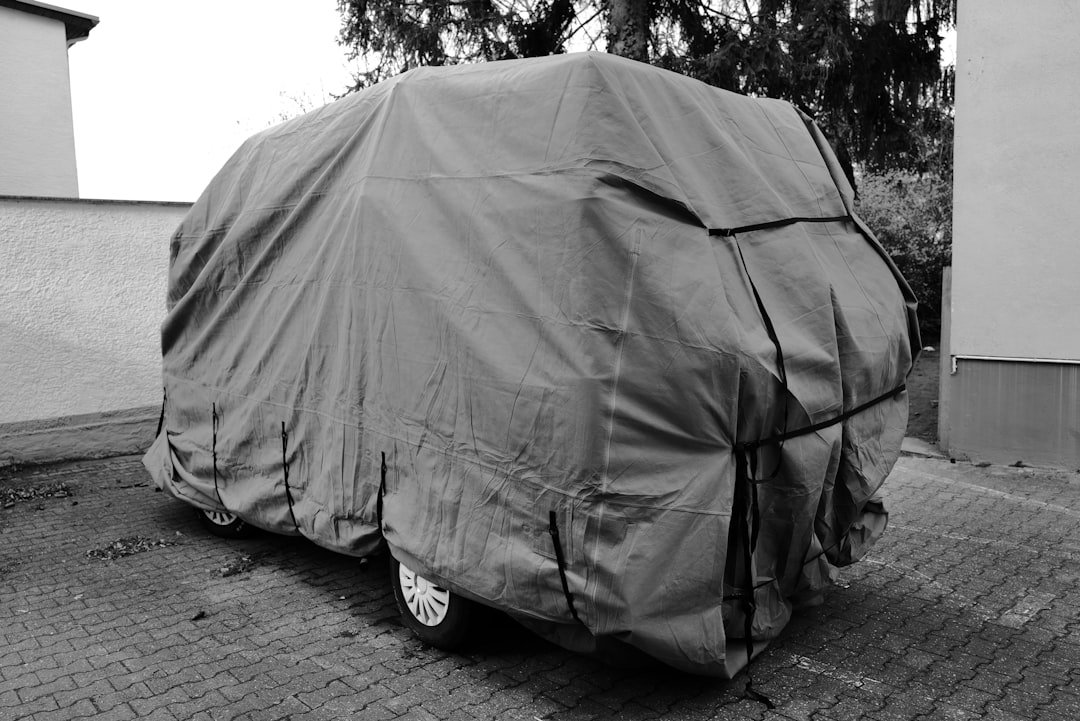
Measure your vehicle and parking spot before buying the best car cover for outdoor storage. The best car cover for outdoor storage is the one that fits tightly enough to resist wind, handles your local sun and rain, and does not trap grit against the paint during weeks of storage.
A cover is useful protection, not a magic shield. Rain, ultraviolet exposure, bird droppings, tree sap, dust, and falling debris all take a toll outside, but a poorly chosen cover can scuff clear coat, retain moisture, or tear loose in a hard gust.
Choose the best car cover for outdoor storage by climate
Think about the car’s parking conditions before looking at brand names or marketing labels. A vehicle under an open sky in Arizona has a different problem than one parked through wet winters in the Pacific Northwest, southern England, coastal Canada, or eastern Australia.
For strong sun, look for an outdoor-rated cover with stated UV resistance and a light-colored outer surface where available. Dark covers can still work, but lighter material generally absorbs less heat when the vehicle sits exposed all afternoon.
For frequent rain, water resistance matters, but complete impermeability is not always the goal. A cover that sheds water while allowing water vapor to escape is usually safer for long storage than a plastic-like shell that seals damp air against the vehicle, especially after rain or a cold overnight temperature swing.
Wind changes the equation. A loose universal cover can balloon, flap against mirrors and body panels, then rub dust into the finish for hours. Choose a model with elasticized hems, underbody straps, or built-in tie-down points, and check whether the straps are positioned away from hot exhaust parts.
Snow creates extra weight and abrasion during removal. If snow is common, favor a durable outer layer and avoid pulling a heavy, frozen cover sideways across the hood or roof. Brush loose snow off first.
Material trade-offs for sun and rain protection
Most outdoor covers use layered synthetic fabrics, though the exact construction varies by maker and product line. The outer face handles UV exposure and water shedding, while the inside should be soft enough for painted panels.
A lightweight cover is easier to install, dry, and pack into the trunk. It is a sensible choice for a car that is used several times a week, provided the fabric is rated for outdoor use and the fit is secure.
Heavier multi-layer covers usually provide better resistance to prolonged weather and light impacts from debris, but they cost more, take longer to dry, and can be awkward on a large SUV or pickup. They also need a clean vehicle underneath them, because a soft inner layer cannot stop sand or road grit from acting like abrasive paste.
Be skeptical of vague phrases such as “all-weather” without details about UV resistance, water resistance, breathable construction, or warranty coverage. Product listings should identify the vehicle applications and explain whether the cover is intended for indoor, outdoor, or mixed use.
Some research-based shopping lists often include products from major outdoor cover manufacturers because those companies publish fitment options and material descriptions. That does not make every model right for every driveway. Verify the current product specification, size chart, and warranty directly with the manufacturer before ordering.
Get the fit right before spending more
A custom-fit cover is usually the better purchase for extended outdoor storage. It follows the mirror shape, roofline, bumper length, and antenna arrangement more closely, which reduces flapping and leaves fewer places for wind to get underneath.
Semi-custom covers split the difference. They are made around broad vehicle shapes such as sedan, coupe, SUV, wagon, or pickup, so they commonly fit better than a one-size universal cover without the cost or order lead time of a fully custom pattern.
Universal covers are cheap and readily available, which can make sense for short-term protection on an older work vehicle or a car awaiting repair. For regular outdoor storage, though, the extra fabric often becomes a wind problem.
Use the manufacturer’s application guide with the exact year, make, model, body style, and trim where requested. A hatchback and sedan with the same nameplate may need different patterns, and roof racks, spoilers, bed caps, antennas, or aftermarket mirrors can change the answer.
Details that make a cover easier to live with
Door zippers sound convenient if you need cabin access, but they are another seam that can admit water and another area that may scratch if handled carelessly. For a vehicle stored for months, removing the cover carefully when needed is often simpler.
Mirror pockets improve fit on many late-model vehicles, although they can catch wind if the pattern is wrong. Antenna patches or grommets need the same attention. Never force the material over a fixed antenna.
Look at the storage bag, too. A wet cover stuffed into a sealed bag can mildew or smell, and it may transfer grime back onto the next vehicle you cover. Let it dry fully before packing it away.
Cable-and-lock kits can discourage casual theft, but they are not serious security devices. A determined person can cut a cover or cable quickly, so keep valuables out of the car and rely on normal parking security rather than treating the cover as theft protection.
Use an outdoor cover without damaging paint
Even a premium cover can mark a dirty vehicle. Dust looks harmless, but it contains fine mineral particles, brake dust, pollen, and grit that move between fabric and paint when wind works the cover or when you pull it off.
-
Wash and dry the vehicle completely, including mirror housings, window seals, and the lower rocker panels.
-
Remove leaves, twigs, and loose debris from the roof, cowl area, bed rails, or rear spoiler before fitting the cover.
-
Install the cover from front to rear or rear to front according to its label, then confirm each corner reaches the proper bumper edge.
-
Fasten underbody straps snugly, not drum-tight, and secure any included gust clips according to the maker’s instructions.
-
After the first windy day, inspect the contact points and adjust the fit if the cover has shifted.
Do not cover a vehicle immediately after a wash if water remains in seams, behind trim, or under a tonneau cover. A few extra minutes with microfiber towels or a blower is cheaper than discovering dampness after several days.
When a car cover is the wrong answer
If the vehicle sits under a sap-heavy tree, a cover can still help, but it will need frequent cleaning and inspection. Leaving sap, bird droppings, or wet leaves on the fabric defeats much of the benefit and may stain the cover itself.
A portable shelter, carport, or rented covered storage space may make more sense for a collector car, fresh paintwork, or a vehicle parked outside year-round in severe weather. Those options cost more and may require local approval, but they reduce direct weather exposure without placing fabric on the paint.
For a daily driver, consider whether you will actually use the cover. If you leave before work and return after dark, a heavy cover can become a nuisance, then end up folded in the garage. A lighter, faster-fitting option is often the realistic choice.
Set a sensible budget
Outdoor cover pricing varies by vehicle size, material, custom pattern, and current promotions. Basic universal covers may cost far less than tailored multi-layer products, while custom covers for large trucks, specialty cars, or vehicles with unusual shapes can move well beyond the price of an entry-level cover. Verify current pricing.
Spend more for a secure fit and weather-appropriate material before paying extra for cosmetic add-ons. A plain, properly fitted cover with good UV and rain performance is generally more useful than a decorative option that flaps in the wind.
Frequently asked questions
Can I put a car cover on a wet car?
Avoid it whenever possible. Water caught in seams and around trim can stay there far longer than the visible body panels, and a cover may slow evaporation after the sun goes down.
Will an outdoor cover protect against hail?
Most standard outdoor covers offer little protection against meaningful hail. Thick padded hail covers may reduce damage from very small hail, but they are bulky and cannot promise protection in a severe storm.
How often should I remove an outdoor car cover?
Inspect it every week or two during long storage, and sooner after storms, strong winds, leaf fall, or heavy pollen. Remove it to check for trapped moisture, debris, paint contact marks, and pests.
Are waterproof car covers bad for paint?
A water-resistant cover is not automatically bad, but a non-breathable cover over a damp vehicle can create moisture problems. The safer choice for most outdoor storage is a clean, well-fitted cover that sheds rain and allows moisture vapor to escape.
Related posts
This article is for general informational purposes only and is not mechanical, legal, financial, or insurance advice. Prices, insurance rates, tax credits, and manufacturer-stated fuel economy or EV range are estimates that change over time and vary by vehicle, region, and provider — always verify current figures with a dealer, mechanic, insurer, or official source before making a decision.
Disclosure: This post may contain affiliate links. If you click through and make a purchase, we may earn a commission at no extra cost to you. We only recommend products we’ve researched or genuinely believe in.