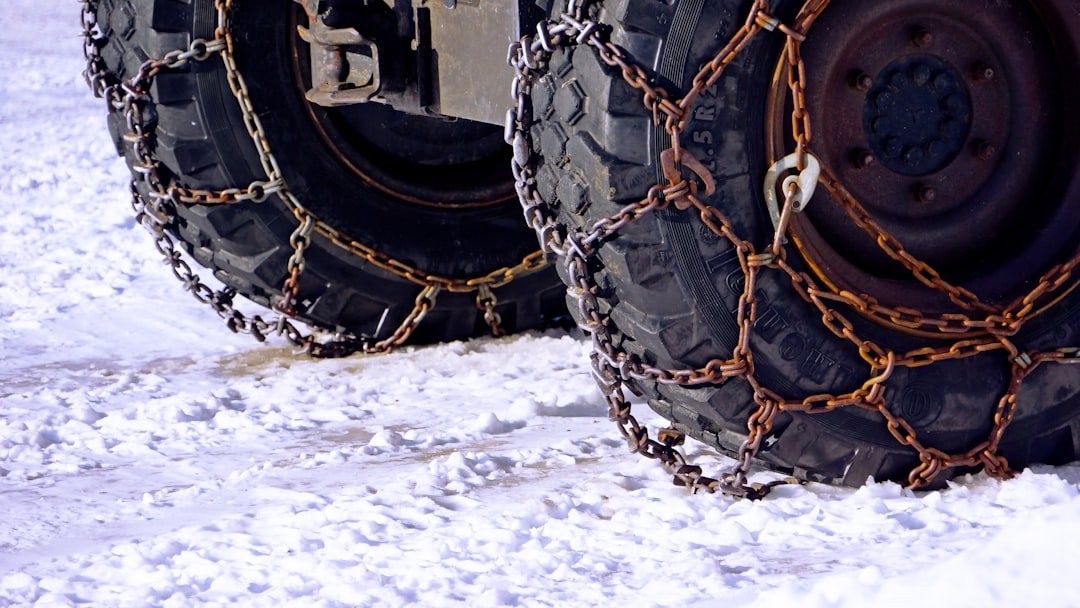
The best snow chains for tires are the ones approved for your vehicle, sized exactly for your tires, and suited to the steepness and snow conditions you face. Clearance matters most. For mountain and winter driving, a properly fitted square-link or diamond-pattern chain usually gives more dependable traction than a light emergency cable, but the right choice still depends on your owner’s manual, wheel-well space, drivetrain, and whether local chain-control rules require a particular type.
Do not buy chains by wheel diameter alone. A 17-inch wheel can wear many different tire sizes, and two tires with the same nominal size may have slightly different real-world dimensions depending on the manufacturer and tread depth. Read the tire sidewall, check the vehicle manual for chain restrictions, then use the chain maker’s fitment guide before ordering. That five-minute check can prevent expensive damage.
Best snow chains for tires by driving need
There is no universal winner because snow chains trade convenience, clearance, ride quality, and grip against each other. Pick the tool for the job. If you make occasional trips through managed mountain passes, easier-install external systems or self-tensioning chains may be worth their higher cost; if you travel unplowed roads or steep private lanes, traditional linked chains often make more sense.
| Type | Best use | Main advantage | Main drawback |
|---|---|---|---|
| Cable chains | Occasional paved mountain roads | Low profile for limited clearance | Less bite in deep snow or ice |
| Diamond-pattern chains | Regular winter travel | Smoother, more continuous traction | Costs more than basic ladder chains |
| Square-link ladder chains | Deep snow, steep grades, work use | Strong traction and durable links | Rougher ride and greater clearance need |
| External-mount chains | Low-clearance vehicles | No chain runs behind the wheel | High purchase cost and limited fitments |
| Textile snow socks | Short-term emergency use | Very easy to fit and store | Wear quickly on bare pavement |
Start with clearance and chain approval
Your vehicle manual gets the final say. Some cars, crossovers, and trucks with large factory wheels have so little room around the tire that conventional chains can strike brake hoses, suspension parts, wheel-speed sensors, or the inner fender liner. A chain that fits the tire can still be wrong for the vehicle. Look for language such as chains prohibited, Class S only, or use on front axle only.
SAE Class S chains are made for tighter clearances, generally with a lower-profile side chain and cross-chain arrangement, but that label does not override a manufacturer prohibition. Check it twice. If the manual says no chains, consider approved textile traction devices, winter tires, or a different travel plan rather than assuming a thin cable is safe. Verify the restriction with a dealer or qualified shop if the wording is unclear.
Also confirm which axle gets traction devices. Front-wheel-drive vehicles normally use them on the front tires, rear-wheel-drive vehicles use them on the rear, and many all-wheel-drive systems have a manufacturer-specified axle because chain clearance is not always equal at both ends. Four-wheel drive helps. It does not replace chains when a road authority requires them or when packed snow and ice exceed what your tires can manage.
Choose the chain pattern for your roads
Ladder chains have cross chains that run straight across the tire tread, much like rungs on a ladder. They are simple, relatively affordable, and still a sensible option for slower work vehicles, rural driveways, and deep snow where outright forward bite matters more than a polished ride. They can feel lumpy. The tire has brief gaps between cross chains, so braking and cornering traction are less consistent than with a diamond pattern.
Diamond-pattern chains put more chain across the contact patch at a given moment, which usually makes them smoother and more predictable on plowed but icy mountain roads. They cost more. This is the style commonly found in premium self-tensioning products, where a cable or ratchet system keeps the chain centered as the tire turns. That convenience is useful when conditions are nasty, though it adds moving parts and a higher replacement cost if a component is damaged.
Link shape changes how a chain bites. Twisted links are common on lower-cost chains and work adequately in loose snow, while square links have sharper edges that tend to dig harder into compact snow and ice. Square link is aggressive. It can be louder and harsher on cleared pavement, so it is usually a better match for trucks, SUVs, and frequent severe-weather travel than for a low sedan making one ski-trip run each year.
Research-based product options
For conventional self-tensioning chains, Peerless Auto-Trac models are widely listed for passenger cars, SUVs, and light trucks, with an automatic tightening system intended to reduce the need for a mid-drive stop. Check the exact model. Fitment differs by tire size and clearance class, and some versions may not meet the restrictions printed in your vehicle manual.
SCC Super Z6 cable chains are commonly researched by owners of vehicles that require a low-profile traction device, because the design uses steel coil cross members rather than bulky link chain. They are practical for chain-control roads and emergency use. They are not the first choice for repeated off-pavement work or deep, unplowed conditions, where a heavier chain can offer materially better tread engagement.
Konig, formerly sold in some markets under Thule chain branding, makes several premium external and self-tensioning designs. The K-Summit external-mount system is often considered for cars with almost no inner-wheel clearance because the hardware attaches at the wheel face instead of wrapping behind the tire. It is expensive. It also requires a compatible wheel adapter and exact application confirmation, so do not assume a listing for your tire size means it fits your wheel design.
For pickups and heavier SUVs, research commonly points buyers toward square-link options from established chain makers such as Security Chain Company and Peerless. These products may use heavier links and more traditional tensioning arrangements, which can suit snow-covered access roads and steep grades well. Installation takes practice. Buy a tensioner if the chain maker recommends one, and follow its guidance on replacement parts, repair links, and speed limits.
Fit them before the storm
A new set of chains should be test-fitted on dry pavement at home, with the vehicle parked safely and the parking brake applied. Do this early. The first installation often takes longer than the package suggests, especially if you need to route a cable behind the tire, untangle cross chains, or adjust a tensioner.
- Read the manual and chain instructions before opening the bag.
- Lay each chain flat and remove twists or crossed links.
- Match the chain to the tire size shown on the sidewall.
- Install one chain on the specified drive axle in a dry test fit.
- Drive a few vehicle lengths, then stop and recheck tension.
- Pack gloves, a kneeling mat, headlamp, and the chain instructions.
After installation, drive slowly and listen. A regular light clatter is normal with metal chains, but a violent thump, scraping sound, steering pull, or loose chain striking the body means stop as soon as it is safe and inspect the fit. Do not accelerate through it. Most chain manufacturers set low maximum speeds, often around 25 to 30 mph, but confirm the limit printed for the exact product you buy.
Price, durability, and realistic compromises
Basic cable sets are usually the least expensive option, while premium self-tensioning diamond chains and external-mount systems can cost several times as much. Prices vary by region. The price gap is not only branding: thicker materials, better tensioning hardware, repairable components, and easier roadside installation all add cost.
A cheaper chain can be the smarter purchase if it will sit in the trunk for a few legal chain-control days each winter. Conversely, someone who regularly drives a steep access road may spend less over time with a repairable, heavier-duty set than with several lightweight cable sets worn out by gravel, pavement, or frequent use. Bare asphalt is hard on all of them. Remove chains once the road is clear enough to travel safely without them.
Do not overlook winter tires. A severe-snow-rated winter tire improves traction every time the vehicle moves, turns, and stops in cold conditions, whereas chains are a temporary device that you fit only when required or needed. Chains can still be mandatory. For regular mountain travel, the strongest setup is often appropriate winter tires plus correctly sized chains carried as backup, subject to the vehicle manufacturer’s rules.
FAQ
Are snow chains better than winter tires?
Chains provide more mechanical bite than winter tires in certain deep-snow and icy situations, especially at low speed on steep grades. Winter tires are better for normal daily winter driving because they improve braking, steering, and traction without installation. Use both when your route and vehicle guidance justify it. Never fit chains where the vehicle maker prohibits them.
Do I need chains on all four tires?
Most passenger vehicles use chains on one axle only, usually the primary drive axle specified in the owner’s manual. Follow that manual. Some road rules and severe-duty situations may call for additional traction devices, but adding chains to every tire without clearance confirmation can create costly problems. Verify local chain-control requirements before travel.
Can I use snow chains with all-wheel drive?
Yes, many all-wheel-drive vehicles can use them, but the approved axle and chain type are vehicle-specific. All-wheel drive is not a blank check. Uneven tire diameters, tight suspension packaging, and electronic drivetrain calibration can make the wrong installation a bad idea, so use the exact guidance in the owner’s manual and the chain manufacturer’s application guide.
How tight should tire chains be?
They should sit centered on the tread with the maker’s specified tension system secured, without loose side chains hanging near the wheel or suspension. Recheck them after driving a short distance. A little settling is normal, but a visibly loose chain needs adjustment before you continue.
Are snow socks legal for mountain passes?
Textile traction devices, often called snow socks, are accepted in some jurisdictions and not accepted in others. Rules change. Check the road authority’s current chain-control notice before relying on them, and confirm that the particular product has any required approval marking for the route you plan to drive.
Related posts
This article is for general informational purposes only and is not mechanical, legal, financial, or insurance advice. Prices, insurance rates, tax credits, and manufacturer-stated fuel economy or EV range are estimates that change over time and vary by vehicle, region, and provider — always verify current figures with a dealer, mechanic, insurer, or official source before making a decision.
Disclosure: This post may contain affiliate links. If you click through and make a purchase, we may earn a commission at no extra cost to you. We only recommend products we’ve researched or genuinely believe in.