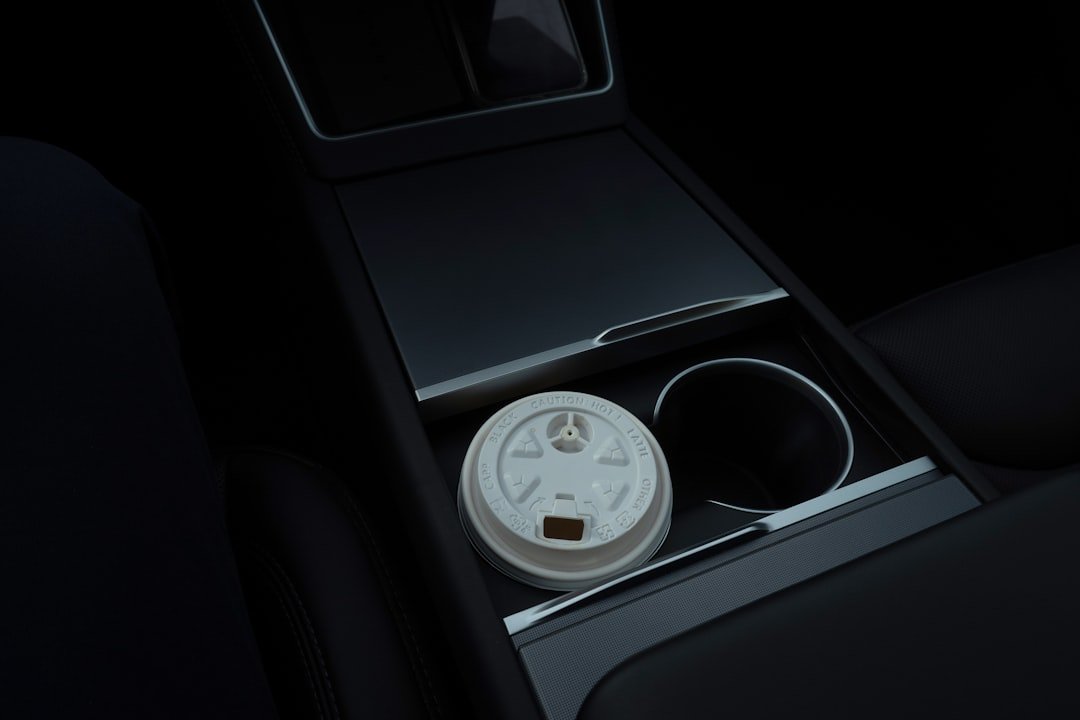
Your car’s factory cup holder was designed for a standard 12-ounce soda can. When you try fitting a 30-ounce insulated water bottle or a wide travel mug into that tiny slot, something has to give — and it’s usually your dashboard or your sanity. A best cup holder expander for cars fixes this mismatch without replacing your entire interior. I’ve been using expandable cup holders in three different vehicles over the past five years, and the right one transforms your driving experience.
Why You Need a Cup Holder Expander
Most people don’t realize how often they reach for a drink while driving. You might grab your insulated tumbler on the morning commute, then switch to a water bottle at lunch, then park a coffee cup there while running errands. Standard holders can’t accommodate all three. Factory cup holders were engineered for a narrower range of containers than modern users actually need. Grab a best cup holder expander for cars and you solve that constraint once and for all.
Here’s the real advantage: expandable cup holders cost between twelve and fifty dollars. Aftermarket interior modifications cost hundreds. The math is obvious.
| Expander Type | Fits Cup Sizes | Installation | Best For |
|---|---|---|---|
| Rubber Ring Expander | 8 oz to 32 oz | Drop-in, no tools | Quick upgrades, renters |
| Adjustable Cradle | 6 oz to 40 oz | Clip or screw mount | Travel mugs, wide bottles |
| Spring-Loaded Grip | 10 oz to 36 oz | Click into holder | Frequent bottle swaps |
| Wedge Spacer | 12 oz to 28 oz | Insert between walls | Tight spaces, budget option |
What to Check Before Buying a Cup Holder Expander
- Measure your cup holder’s width, depth, and any internal mounting points with a tape measure before ordering anything online.
- Check whether your holder has a spring mechanism, fixed walls, or a rotating base — expandable designs work differently on each type.
- Verify that the best cup holder expander for cars you’re considering won’t block your gear shift, steering wheel adjustment, or air vents.
- Look at customer photos showing real-world fit with tall bottles and wide tumblers, not just product images.
- Test whether the expander holds bottles securely while your car goes around corners — wobbling drinks spill everywhere.
- Confirm that any adhesive or clip used in the best cup holder expander for cars won’t damage your dashboard material permanently.
How to Install a Cup Holder Expander (5 Steps)
Condition: You’ve purchased an expander compatible with your vehicle’s cup holder type. Audience: This process suits drivers with zero modification experience. Method: Most expandable designs require no tools. Some use adhesive tape or light screws. Warnings: Don’t force parts into tight spaces. Never block air vents or safety features.
- Remove your new best cup holder expander for cars from the packaging and inspect all components for damage or missing pieces.
- Clean the cup holder interior with a dry cloth to remove dust, crumbs, or debris that might prevent proper seating.
- If using an adhesive-based design, peel the backing from the mounting strip and press the expander firmly into the holder for thirty seconds, then wait the recommended cure time before loading beverages.
- For clip or spring-loaded models, insert the expander into the holder’s center and adjust the gripping arms or wings until they fit snugly against the sides without forcing.
- Place a full water bottle or travel mug inside to test the fit, then drive slowly around your neighborhood to confirm nothing shifts, rattles, or blocks your view.
This is the part that actually matters: test-drive before full commitment. A quick loop around the block saves you from frustration later.
Common Mistakes People Make With Cup Holder Expanders
You’d think that larger containers automatically fit larger expanders — they usually don’t. Container shape matters more than volume. A tall narrow bottle fits differently than a short wide tumbler, even if both hold the same amount. I’ve seen so many drivers buy the wrong size because they only checked the fluid ounces instead of measuring the actual cup diameter.
Placing the best cup holder expander for cars in the wrong holder is another killer. Many vehicles have a primary holder near the steering wheel and a secondary holder on the center console. The console holder might be shallower or offset differently. The dimensions shift. What fits perfectly in one won’t work in the other.
Overloading an expander with a half-full bottle plus a phone charger plus napkins leads to sliding and spilling. Stick to one beverage per holder.
My Picks for This
- Macally Car Cup Holder Expander works with bottles up to 32 ounces and drops into any standard holder without installation hassle — best for renters or trial users.
- IPELY Adjustable Drink Cup Holder Expander secures large insulated tumblers and tapers bottles with spring-loaded grips that adapt to container width automatically.
- Carvana Auto Cup Holder Extender uses a wedge-spacer design that’s invisible once installed and protects your dashboard from adhesive marks if you ever remove it.
- Koozie Automotive Cup Holder Expander handles travel mugs up to 40 ounces and includes rubber padding to prevent beverage movement during sharp turns.
- Rubbermaid Automotive Universal Cup Holder Expander combines durability with a neutral appearance and fits most modern vehicle holders from 2010 onward.
Do You Need a Best Cup Holder Expander for Cars?
Your answer depends on what you actually drink while driving. If you’re a black-coffee-in-a-styrofoam-cup person, your factory holder probably works fine. If you’re carrying a 30-ounce hydration bottle, a wide-mouth Stanley tumbler, and an occasional travel mug between different vehicles and jobs, then yes — you need an upgrade. Most drivers fall into the second category without realizing it.
Frequently Asked Questions (FAQ)
Q1. How much does a best cup holder expander for cars actually cost?
Most expandable cup holder designs range from twelve to fifty dollars depending on materials and brand. Drop-in rubber rings cost the least. Adjustable cradles with spring mechanisms cost more. Compare that price to replacing your interior and the investment makes sense immediately.
Q2. Will a cup holder expander damage my dashboard or cup holder?
Quality expanders use soft rubber, silicone, or foam padding that protects surfaces. Avoid cheap models using hard plastic or overly aggressive adhesive. If you’re renting your vehicle or want to maintain resale value, choose a design that removes cleanly without residue or marks.
Q3. Can I use one expander in multiple cars?
Sometimes. If the dimensions and holder type match across vehicles, you can move a drop-in expander between cars. Permanently installed expanders stay with one vehicle. Measure your holders in each car to confirm compatibility before assuming portability.
Q4. What if my cup holder is broken or missing?
A cup holder expander won’t fix a damaged holder — it only expands a functional one. If your holder is cracked, rotates freely, or has broken springs, you’ll need a replacement insert from the dealership or a third-party supplier first. The best cup holder expander for cars works best on intact factory equipment.
Q5. Do cup holder expanders work with all bottle types?
No. Bottles with extremely wide bases or tapered necks sometimes fit poorly. Collapsible water bottles compress unpredictably. Glass bottles require extra consideration for safety. Test your specific bottles before committing to an expander. Stainless steel travel mugs and rigid plastic bottles generally work best.
Q6. Can I install an expander myself, or do I need professional help?
Installation is almost always a five-minute DIY job. No special tools required. If you’re intimidated by removing a rubber ring or clicking a spring clip, your local dealership can install it for a small fee — usually under thirty dollars.
This post is for informational purposes only and does not constitute professional mechanical advice, legal advice, financial advice, or insurance guidance. Automotive repairs, installations, and modifications involve inherent risks — always consult a certified mechanic or licensed professional before performing any work on your vehicle. Car prices, insurance rates, EV tax credits, product specs, and availability are subject to change without notice and may vary by location, dealership, and individual circumstances. Always verify current details directly with manufacturers, retailers, dealerships, insurance providers, and relevant government agencies before making any purchase or financial decision. Fuel economy figures, EV range estimates, and performance data referenced in this post are based on manufacturer or third-party estimates and may differ from real-world results. This site may contain affiliate links — if you purchase through our links, we may earn a commission at no additional cost to you. Product recommendations are based on general research and editorial judgment; we do not guarantee suitability for your specific vehicle, driving conditions, or personal situation. Always read product instructions, vehicle owner manuals, and safety warnings before use.