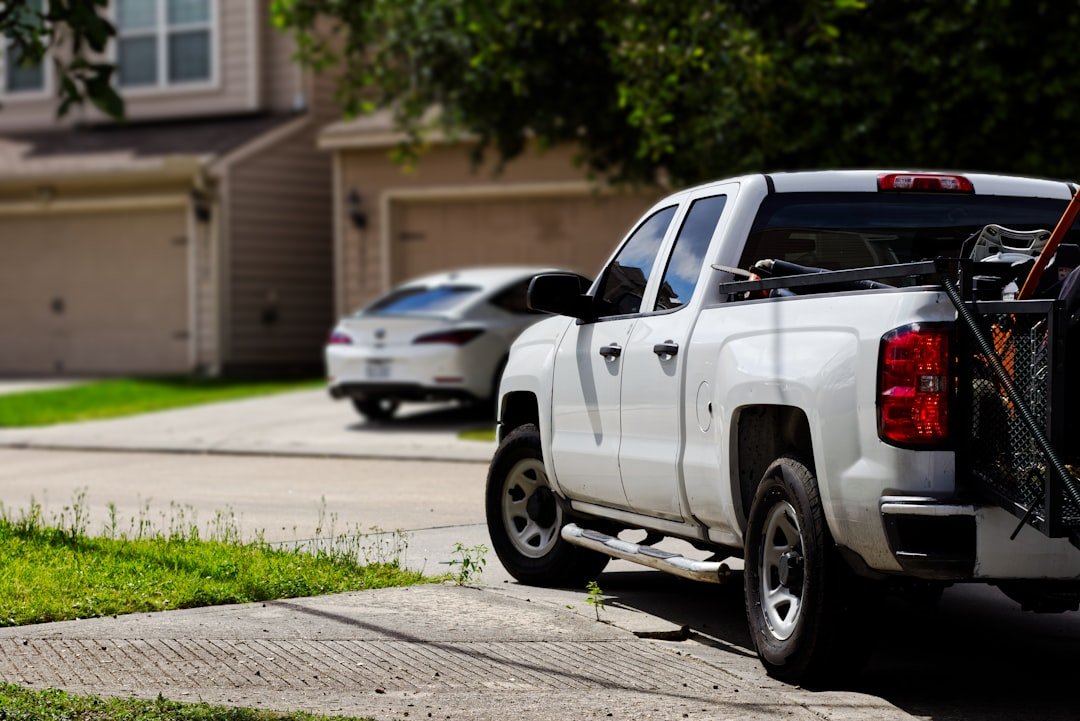
In a 2024 midsize truck towing comparison, the Chevrolet Colorado is my pick for most owners who regularly pull a trailer in the 4,000- to 7,000-pound range. It has a 7,700-pound maximum tow rating in properly configured recent model-year versions, with ratings varying by trim, strong low-rpm torque from its 2.7-liter turbocharged four-cylinder, and enough bed and cabin practicality that it does not feel like a dedicated weekend tow rig.
The Ford Ranger is the closest alternative, particularly for buyers who spend more time commuting or taking long highway trips than hauling. Its maximum rating is generally 7,500 pounds in properly equipped recent model-year configurations, with ratings varying by trim, and Ford offers useful available trailer-assist equipment that can take some stress out of reversing and hitching. Choose the Ranger if that suits you.
Maximum tow ratings tell only part of the story. The truck, axle ratio, drivetrain, cab, bed, hitch equipment, payload sticker, trailer brakes, passengers, and cargo all affect what you can safely carry and pull, so confirm the rating for the exact truck with its owner documentation and dealer before you buy.
Best midsize truck for towing comparison at a glance
Here is the practical ranking for typical towing buyers, based on published maximum ratings for recent model-year configurations and the way these trucks tend to fit real trailer use. Ratings and packages can change by model year. Verify every number.
- Best overall tow choice: Chevrolet Colorado. Up to 7,700 pounds in properly equipped recent model-year configurations, with ratings varying by trim, plus a torque-rich turbo engine and a good balance of capability, size, and daily usability.
- Best upscale Colorado alternative: GMC Canyon. Up to 7,700 pounds in properly equipped recent model-year configurations, with ratings varying by trim, and much of the Colorado’s mechanical foundation in a more upscale presentation.
- Best highway and towing-tech choice: Ford Ranger. Up to 7,500 pounds in properly equipped recent model-year configurations, with ratings varying by trim, refined on-road feel, and available trailer-oriented camera and backup aids.
- Best for a simple V6 feel: Nissan Frontier. Up to 7,150 pounds in certain recent model-year configurations, with ratings varying by trim, a naturally aspirated V6, and a straightforward traditional-truck character.
- Best for off-road trips that include towing: Toyota Tacoma. Up to 6,500 pounds in many recent model-year configurations, with ratings varying by trim, strong off-road appeal, though its towing ceiling trails the leaders.
- Best open-air utility option: Jeep Gladiator. Up to 7,700 pounds in certain properly equipped recent model-year versions, with ratings varying by trim, but payload and wheelbase considerations matter a lot here.
- Best for light trailers and pavement comfort: Honda Ridgeline. Up to 5,000 pounds in properly equipped recent model-year configurations, with ratings varying by trim, a smooth ride and useful bed design, but it is not the answer for heavy travel trailers.
The Colorado gets the nod because it has the headroom most people need without forcing them into a full-size truck. A 5,500-pound camper, loaded with propane, food, recovery gear, bikes, and water, can become a very different trailer from its brochure dry weight.
Why the Colorado wins for most towing buyers
A properly equipped recent-model-year Colorado can tow up to 7,700 pounds, depending on trim and configuration, which puts it at or near the top of the mainstream midsize segment. Its turbocharged engine makes useful torque down low, where a truck needs it when pulling away from a stop, merging into traffic, or climbing a grade without constantly hunting for the right gear.
The best Colorado towing setup is not necessarily the flashiest trim. Look for the factory trailering package, the correct engine output, appropriate hitch hardware, an integrated brake controller if available for the configuration, and enough payload for the loaded tongue weight plus people and gear in the cab. Start with the door sticker.
Payload is where plenty of shoppers get caught out. A trailer that weighs 6,000 pounds loaded may put roughly 600 to 900 pounds on the hitch, depending on trailer type and loading, then add a driver, passengers, a cooler, a toolbox, and bed cargo, and a truck with a modest payload rating can run out of capacity before it reaches its tow rating.
The Colorado is also easier to live with than a full-size pickup if you park in older lots, use a garage, or drive on narrow roads. You still get a real truck bed and serious trailer rating, but you avoid some of the bulk and fuel cost that comes with a larger half-ton.
Its main drawback is configuration complexity. Different trims and engine calibrations can have different ratings, and an off-road-focused truck may not be the one that gives you the most payload or tow capacity. Check the specific build sheet.
Specs side by side without the sales brochure spin
The Chevrolet Colorado and GMC Canyon can reach 7,700 pounds in properly equipped recent model-year versions, with ratings varying by trim. They share much of their mechanical foundation, so the choice between them often comes down to trim, price, local dealer support, and whether you prefer the Canyon’s more upscale presentation.
The Ford Ranger is close behind at up to 7,500 pounds in properly equipped recent model-year configurations, with ratings varying by trim. Its 2.3-liter turbocharged engine has enough torque for common trailers, and the truck feels controlled on the highway when the trailer is balanced, brakes are adjusted, and the load stays within ratings.
The Nissan Frontier reaches up to 7,150 pounds in certain recent model-year configurations, with ratings varying by trim. Its 3.8-liter V6 has a more conventional response than the turbo four-cylinder trucks, which some drivers prefer when towing because throttle inputs feel predictable and there is no turbo lag to think about.
The Toyota Tacoma is usually rated lower, with a maximum around 6,500 pounds in many current configurations, depending on trim and equipment. That does not make it a poor tow vehicle, because it can handle a moderate boat, utility trailer, compact camper, or pair of ATVs well when loaded correctly, but it gives you less margin for a larger travel trailer.
The Jeep Gladiator can claim a maximum around 7,700 pounds with the right recent-model-year package, with ratings varying by trim, but this is the truck where you need to read every label twice. Its removable-top design, off-road setup, longer wheelbase, available tire choices, and often limited payload in certain trims mean that a high headline rating does not automatically make it the best match for a heavy, tall camper.
The Honda Ridgeline is rated around 5,000 pounds when properly equipped in recent model-year configurations, with ratings varying by trim. It is a very sensible choice for a light fishing boat, small camper, motorcycle trailer, or occasional utility trailer, and its ride is unusually comfortable, but I would not buy one with plans to live near that rating on frequent long trips.
Where the Ranger is the better truck
Buy the Ford Ranger instead of the Colorado if towing is only part of the job and you want the most relaxed all-around road truck. The Ranger’s available towing camera views, trailer backup assistance, and polished highway manners can make it easier for an owner who tows a few times each month rather than every weekend.
That trailer assistance is useful, but it cannot correct a badly loaded trailer or cover for inadequate payload. You still need correct tongue weight, working trailer brakes, properly inflated tires, a secure coupler, safety chains, and a breakaway cable that is attached to the truck rather than looped around the hitch ball. Do the walkaround.
The Ranger is also a good call for someone towing a 4,500- to 6,500-pound enclosed trailer, boat, or camper who values a calmer daily commute. It gives up only 200 pounds of top-end rating to the Colorado in its strongest recent-model-year form, with ratings varying by trim, which is not enough to matter if your loaded trailer is well below both trucks’ limits.
When the other midsize trucks make more sense
The Frontier is the pick for a buyer who wants a V6, dislikes the character of a small turbo engine, and has a trailer that remains comfortably below its maximum rating. It is less tech-forward than some rivals, but the basic formula is familiar and the powertrain response is easy to understand.
The Tacoma makes sense when off-road use is a bigger priority than maximum towing. If your trailer is a lightweight off-road camper, a small aluminum boat, or a utility trailer carrying dirt bikes, the Tacoma can be a satisfying choice, especially if its trail capability will get used more often than its tow capacity.
The Gladiator is for the buyer who genuinely wants Jeep trail capability and open-air driving, then also needs to tow. A properly equipped version can pull serious weight on paper, but a large square travel trailer can feel more affected by crosswinds than it would behind a heavier full-size pickup with a longer, broader stance.
The Ridgeline wins when the trailer is light and the truck must handle family-duty miles every day. Its lower rating is a limit, not a flaw, and plenty of owners never need more than 5,000 pounds.
How to choose the right tow rating
Use the loaded trailer weight, not the dry weight printed on a dealer tag. If a camper has a 4,800-pound dry weight, add batteries, propane, water, clothes, food, cookware, tools, and accessories before deciding that a 5,000-pound-rated truck is enough.
- Find the trailer’s gross vehicle weight rating, often called GVWR, on its certification label.
- Use that number as the conservative planning figure if you expect to load the trailer heavily.
- Estimate tongue weight at roughly 10 to 15 percent for a conventional bumper-pull trailer, unless the trailer maker specifies otherwise.
- Add tongue weight, passengers, pet crates, bed cargo, and aftermarket accessories.
- Compare that total with the payload number on the truck’s driver-door label.
- Confirm the truck’s stated towing limit, hitch rating, gross combined weight rating, and any package requirements.
Here is a quick example. A 6,000-pound loaded camper at 12 percent tongue weight puts about 720 pounds on the truck, and two adults plus a child, a cooler, and a few supplies can easily add another 500 to 700 pounds, so a truck with only 1,200 pounds of payload may be overloaded even though its advertised tow rating looks generous.
If your loaded camper will regularly exceed about 6,500 pounds, or if you carry four adults and a full bed while towing, look hard at a half-ton pickup instead. A midsize truck may technically qualify, but the larger truck often gives you better payload, wheelbase, brakes, and reserve capacity for long trips.
FAQ
Which midsize truck can tow the most?
The Chevrolet Colorado, GMC Canyon, and certain Jeep Gladiator configurations can reach about 7,700 pounds when properly equipped in recent model-year versions, with ratings varying by trim. That number depends on the exact year, trim, drivetrain, axle setup, hitch package, and payload, so inspect the label and official towing guide for the truck you are considering.
Is a midsize truck safe for towing a travel trailer?
Yes, when the loaded trailer, tongue weight, passengers, cargo, hitch, and truck ratings all line up. A compact camper around 4,000 to 6,000 pounds loaded is generally a more comfortable midsize-truck assignment than a tall trailer pushed near the maximum rating. Do not tow by dry weight.
Should I choose towing capacity or payload first?
Start with payload once you know the trailer’s realistic loaded weight. The trailer’s tongue weight rests on the truck and counts against payload, along with every person and item carried in the vehicle. Payload is often the limiting number.
Do I need a trailer brake controller?
For most trailers above the lightest utility-trailer class, trailer brakes and a compatible brake controller are a smart and often required part of a proper setup under applicable local and regional laws. Factory-integrated controllers are convenient, but an approved aftermarket unit may work where appropriate. Check the laws and equipment requirements that apply in your jurisdiction.
Is the Tacoma bad for towing?
No. The Tacoma is capable for moderate trailers, particularly if off-road use matters as much as towing. It simply has less maximum towing headroom than the Colorado, Canyon, Ranger, Frontier, and certain Gladiator setups, so it is not my first choice for a heavier travel trailer.
Related posts
This article is for general informational purposes only and is not mechanical, legal, financial, or insurance advice. Prices, insurance rates, tax credits, and manufacturer-stated fuel economy or EV range are estimates that change over time and vary by vehicle, region, and provider — always verify current figures with a dealer, mechanic, insurer, or official source before making a decision.
Disclosure: This post may contain affiliate links. If you click through and make a purchase, we may earn a commission at no extra cost to you. We only recommend products we’ve researched or genuinely believe in.