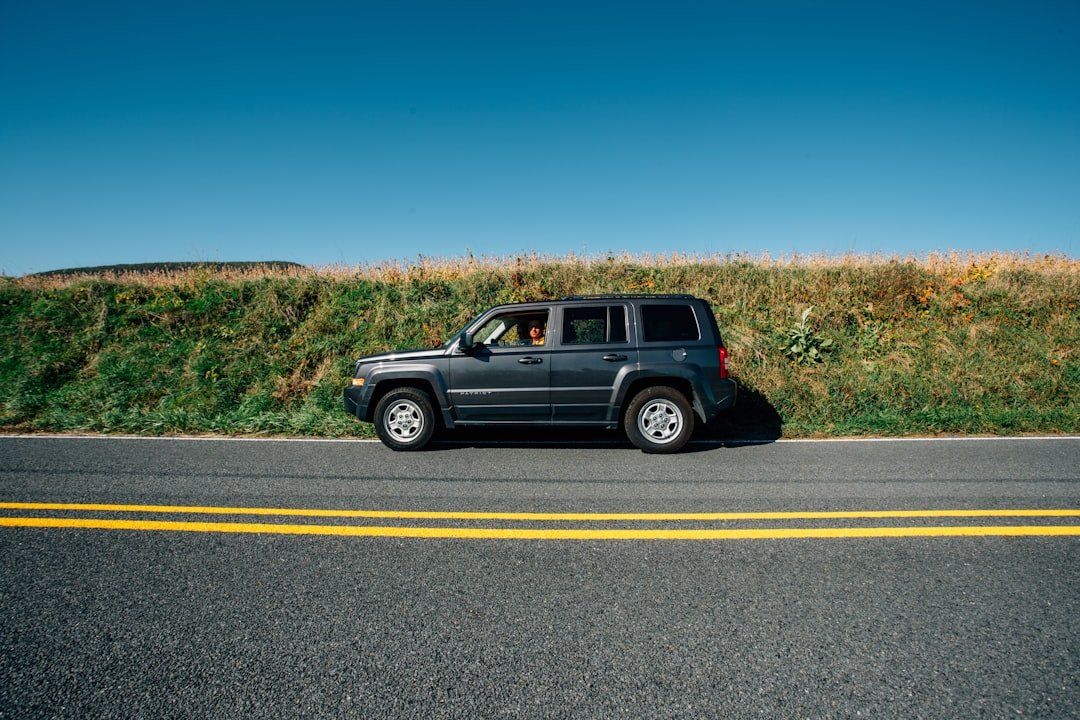
Test-drive both SUVs back-to-back. For most buyers, this Hyundai Tucson vs Kia Sportage comparison ends with the Tucson in the driveway because it feels a little calmer, more polished, and easier to live with on ordinary commutes, school runs, and longer highway trips. Start there. The Sportage is still the right answer for buyers who prefer its more aggressive shape, want every bit of cargo room available, or receive meaningfully better Kia warranty coverage where they live.
These are close relatives. They share much of their underlying hardware, and comparable versions often use similar gasoline, hybrid, or plug-in hybrid powertrains depending on the country, model year, and trim. That means neither is a bad choice. The real decision comes down to how each one packages the cabin, rides over rough pavement, prices its useful equipment, and fits your local ownership situation.
Hyundai Tucson vs Kia Sportage comparison verdict
Buy the Hyundai Tucson if you are choosing between similar new or lightly used versions at similar money. It is my clear recommendation for the common case. Its exterior is less polarizing, the cabin usually feels more relaxed once the novelty wears off, and its ride tuning tends to suit drivers who want an SUV that settles down rather than constantly reminding them what road surface sits underneath.
The Sportage wins under specific conditions. Pick it when you genuinely prefer the styling, need the slightly roomier cargo area offered by many versions, find a substantially better dealer quote, or live in a market where Kia gives you a longer factory warranty. Those are real advantages. A better local dealer can also matter more than a small difference in dashboard design when service time arrives.
Do not buy either one based only on a comparison video or an online payment estimate. Sit in both. Adjust the driver seat, put your normal rear-facing child seat or booster in the back if that applies, and load the cargo area with something you actually carry, such as a stroller, dog crate, work bag, or weekend sports gear.
What separates these compact SUVs
The Tucson has a more understated look, especially in the cabin. That is not a criticism of the Sportage. Kia went for sharper lines, dramatic lighting, and a dashboard that makes a stronger first impression, while Hyundai generally gives the driver a more conventional visual flow that can feel less busy after six months of ownership.
Controls deserve more attention than shoppers give them. On some recent Tucson trims, Hyundai has moved toward more physical buttons and straightforward climate controls after earlier touch-heavy layouts, while Sportage versions can use a shared touch panel arrangement that switches between climate and infotainment functions. Try it parked. A clever interface is fine until you need to change the fan speed while rain, traffic, and a phone call all compete for attention.
Both cabins can feel genuinely modern in higher trims, with large displays, driver assistance systems, heated seating, and available premium touches. Trim matters. A midlevel Tucson with the options you use every day is usually a smarter buy than a top Sportage purchased mainly for a flashier screen or wheels that make replacement tires hurt more.
Rear-seat space is strong in both. Adults can fit without folding themselves into the door opening, and the rear floor and seat arrangement are generally family friendly for this class. Check it yourself. Seat comfort is personal, and a few degrees of recline or a slightly different cushion shape can decide which vehicle works better for your regular passengers.
The Sportage commonly has a small cargo-room advantage on comparable North American models, although the exact measurement changes with hybrid hardware, spare-tire setup, model year, and the way a manufacturer measures space. It is useful. If you routinely carry a large kennel, bulky photography kit, or a pushchair plus groceries, bring it to the dealer rather than trusting a cubic-foot number.
Ride, handling, and daily driving
The Tucson is the better all-round commuter. Its steering and suspension usually make it feel a touch more composed over patched pavement, expansion joints, and the low-speed bumps found in parking lots or older neighborhoods. That difference is subtle. After a 30-minute drive, though, subtle is often what separates a vehicle you appreciate from one you merely tolerate.
The Sportage does not drive badly. Far from it. It often feels a little more eager at turn-in, and some drivers will like the extra sense of firmness and connection, particularly if most trips are on smoother suburban roads rather than broken city streets.
Wheel size changes the answer. A model with larger wheels and lower-profile tires may look better in the showroom, but it can transmit more impact through the cabin, cost more when tires wear out, and leave less sidewall protection against pothole damage. Choose the smallest wheel package you can live with. This is one of the easiest ways to protect comfort and running costs without giving up useful equipment.
All-wheel drive is available on many versions, but it is not a substitute for winter tires, which generally matter more for regular snow. If you deal with regular snow, spend part of the budget on a proper winter set and make sure the dealer explains whether the spare tire, towing rating, and cargo floor change with your chosen hybrid or all-wheel-drive configuration.
Neither vehicle is a serious off-road SUV. Ground clearance and all-wheel drive can help on a muddy campsite entrance, a snowy driveway, or a gravel road, but low-hanging bumpers, road-focused tires, and limited underbody protection should keep expectations realistic. Use them like crossovers. A steep rutted track is where a true four-wheel-drive vehicle earns its keep.
Gas, hybrid, and plug-in hybrid choices
For many drivers, the hybrid version is the sweet spot. It gives stronger low-speed response than a basic gasoline engine and can reduce fuel use in stop-and-go traffic without asking you to plug in every night. That convenience matters. It also makes the vehicle feel less strained when loaded with passengers or climbing a hill.
Do not assume the hybrid automatically pays for itself. Work the numbers. For example, using hypothetical figures, if a hybrid costs $2,500 more than a comparable gasoline model and saves about $450 a year in fuel based on your own mileage and local fuel price, the simple payback is a little over five years before financing costs, insurance differences, resale value, and maintenance are considered.
Plug-in hybrids make sense when you can charge reliably at home or work and most weekday drives fit within their electric range. That is the key. If you cannot plug in regularly, you carry the extra weight and price of the battery system without collecting the benefit that justified it in the first place.
Availability varies a lot. Some markets receive gasoline, hybrid, and plug-in hybrid versions, while others get only part of the lineup, and power outputs can change between model years. Confirm the exact engine, drivetrain, towing limit, and official fuel-economy figures on the window sticker or manufacturer site for the vehicle you are actually considering.
For highway-heavy drivers, compare real purchase price before assuming a hybrid is mandatory. A gasoline Tucson or Sportage can still be the sensible deal if it is discounted enough, you cover low annual mileage, or the hybrid version has a long wait. There is no prize for overbuying. A conventional model that fits the budget can be easier to justify.
Ownership costs and warranty differences
In the United States, Hyundai and Kia warranty coverage has often looked very similar on new vehicles, but exact terms, transfer rules, roadside assistance, hybrid component coverage, and exclusions can change. Read the warranty booklet carefully, especially if buying used, because some coverage can differ after ownership transfers or based on how the vehicle was first sold.
Warranty periods can differ between the manufacturers in some markets, and the terms may change by country, model, and time of purchase. Verify the current local coverage, conditions, and exclusions through each manufacturer’s official warranty materials before making a decision. Warranty length is only useful if you follow the required service conditions and understand what normal wear items are excluded.
Insurance is not predictable from the badge alone. Get quotes. Use the exact registration details or VIN when possible, then compare the same deductible, annual mileage, parking location, and driver information. A small monthly difference can become meaningful over a finance term, especially if one trim has pricier headlights, wheels, or driver-assistance sensors to repair.
Dealer quality is a real ownership factor. A dealer that answers questions clearly, books service within a reasonable time, and handles warranty concerns without a fight can make either SUV easier to own. Ask the service desk simple questions before buying. Their response gives you a useful preview of the relationship after the sale.
How to choose without second-guessing yourself
Use a short, repeatable test. Drive the same kind of route in each SUV, ideally including rough pavement, a faster road, and a tight parking area. Keep the radio off. That makes wind noise, tire noise, seat comfort, brake feel, and the way each transmission responds much easier to judge.
- Get written out-the-door figures. Ask for the vehicle price, taxes, registration, dealer fees, accessories, finance terms, and any required add-ons. Do this first.
- Match the equipment. Compare the safety systems, seat heating, power tailgate, parking cameras, wheel size, and drivetrain instead of comparing trim names that may hide different equipment.
- Check the rear seat. Install the child seat, fold the rear seat, and make sure the front passenger still has enough legroom for a normal adult.
- Inspect the tires. Note their size and type, then price replacements at a tire retailer before signing. Bigger tires can turn a minor future expense into an annoying one.
- Choose the better dealer deal. If the vehicles feel equally right and one dealer is clearly more transparent or substantially cheaper, take that advantage.
Here is the practical threshold. If the Tucson and Sportage are within roughly 5 percent in total purchase cost and have similar equipment, buy the Tucson unless you have a specific reason to value the Sportage’s cargo space, styling, or local warranty, which makes for a clean decision. If the Sportage is materially cheaper after all fees, the value equation changes quickly because the mechanical family resemblance is so close.
FAQ
Which SUV is better, the Hyundai Tucson or Kia Sportage?
The Hyundai Tucson is better for most buyers because it offers a more settled driving experience and an interior that tends to be easier to use every day. That is the short answer. The Kia Sportage is better when its styling, cargo space, warranty coverage, or final dealer price is the stronger fit for your situation.
Is the Kia Sportage bigger than the Hyundai Tucson?
They are very close in overall size, and both are roomy compact SUVs. The Sportage often has a modest cargo-space advantage on comparable versions. Check the exact model. Hybrid batteries, trim layouts, spare-tire arrangements, and measurement methods can change what you actually get behind the rear seats.
Should I buy the hybrid version?
Buy the hybrid if you drive enough miles, spend time in traffic, and the price increase works with your budget. It feels stronger around town. Choose the gasoline model if the upfront discount is meaningful or your annual mileage is low enough that fuel savings will take too long to recover the extra cost.
Are Tucson and Sportage parts the same?
They share a corporate platform and can share powertrain designs and underlying components, but they are not identical vehicles. Body panels, interior pieces, suspension tuning, electronics, trim equipment, and part numbers can differ. Always use the VIN. A parts counter or qualified shop should confirm fitment before you order anything.
Which one is better for long-term ownership?
Buy the one with the better warranty terms in your country, the cleaner dealer history if used, and the more responsive local service department. Maintenance records matter. For either SUV, follow the specified service schedule, keep receipts, address warning lights promptly, and inspect tires and brakes before they become expensive surprises.
Related posts
This article is for general informational purposes only and is not mechanical, legal, financial, or insurance advice. Prices, insurance rates, tax credits, and manufacturer-stated fuel economy or EV range are estimates that change over time and vary by vehicle, region, and provider — always verify current figures with a dealer, mechanic, insurer, or official source before making a decision.
Disclosure: This post may contain affiliate links. If you click through and make a purchase, we may earn a commission at no extra cost to you. We only recommend products we’ve researched or genuinely believe in.