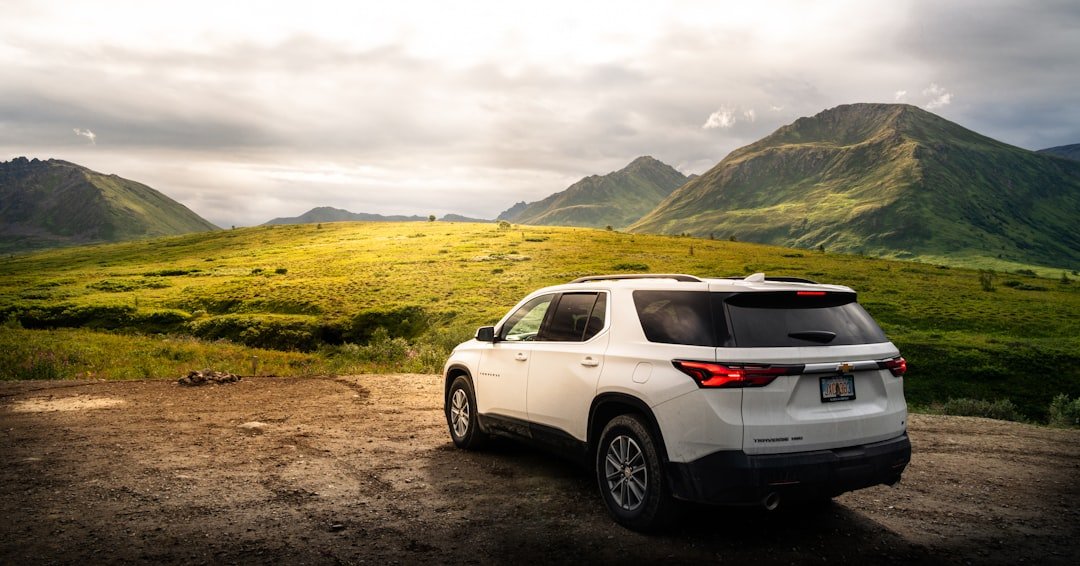
A common misconception is that the best used SUV under 15000 for families has to be a big three-row model. Usually, it does not. The best used SUV under 15000 is often a clean, well-kept two-row crossover with documented maintenance, enough rear-seat width for your child seats, and money left for tires, fluids, and the first repair. A cheap large SUV can look like the better family deal until it needs a timing-chain repair, transmission work, or four tires.
At this budget, condition matters more than badge, trim level, paint color, or a few thousand miles on the odometer. A dependable 2012 to 2016 compact or midsize SUV can make sense, although the exact year and mileage depend heavily on where you shop. Prices vary by region, rust exposure, title history, and local demand. Check current listings, recall status, and vehicle-history information before treating any model as a bargain.
What families should look for first
Start with the job the SUV has to do. Count passengers on a normal weekday, then count the people and gear you carry on a holiday trip. A family with one child may be better off in a compact SUV that is easy to park and cheap to fuel. A family with three kids, especially if several are still in child seats, may need a wider second row or a third row. Those are different shopping lists.
Bring the actual car seats to the test drive. This sounds simple, but it exposes problems quickly. Check whether rear-facing seats force the front passenger seat too far forward. See if the seat-belt buckles are reachable with a booster in place. Test the top tether anchors and lower anchors. On a three-row SUV, try climbing into the rear with a child seat installed in the second row. Many third rows look useful in photos but work best for smaller children or short trips.
Also inspect the cargo area with the third row up, if the vehicle has one. A stroller, grocery bags, sports gear, or a dog crate can fill that space in a hurry. The larger vehicle is not automatically the more practical one. Some compact two-row crossovers hold more usable luggage than an older three-row SUV with every seat occupied.
Safety equipment deserves careful attention. By the mid-2010s, many SUVs had stability control, front and side airbags, anti-lock brakes, rear cameras, and tire-pressure monitoring. Blind-spot alerts, automatic emergency braking, and lane support were less common at this price point. Treat those systems as a bonus, not a substitute for good tires, working brakes, clear visibility, and an attentive driver. Check the Insurance Institute for Highway Safety and NHTSA records for the specific model year, not merely the model name. Ratings and available equipment can change during a generation.
Best used SUV under 15000 choices for families
There is no single winner for every household, but a few used models commonly deserve research because they combine reasonable space, broad parts availability, and long production runs. The right example is still more valuable than the right name on a neglected example.
Toyota RAV4
A 2010 to 2015 Toyota RAV4 is often on family shopping lists for good reason. It has an upright shape, easy entry, decent cargo room, and a reputation for holding value. Earlier examples in this range may offer the unusual third-row option, although that rear seat is small and should not be mistaken for a full-size family hauler. Most buyers will find the standard two-row layout more useful.
The trade-off is price. A clean RAV4 can command strong money, which means a $15,000 budget may bring higher mileage, an older year, or a lower trim. Check for maintenance records, uneven tire wear, suspension noise, water leaks, and signs that the vehicle spent time in a harsh winter climate. The four-cylinder is generally the simpler choice for buyers focused on running costs. A V6 RAV4 can feel much quicker, but it may cost more to buy and fuel.
Honda CR-V
The Honda CR-V is another sensible two-row choice. Models around 2012 to 2016 tend to offer a roomy rear seat, useful cargo space, good outward visibility, and straightforward controls. It is especially worth a look for families with one or two children who do not need a third row. The low cargo floor makes loading strollers and bags less of a chore than in some taller SUVs.
Do not buy on reputation alone. Listen for suspension clunks, check the air conditioning, inspect the tires, and confirm that every power accessory works. Some years and engines have specific concerns that vary by market, so use the VIN to check recalls and research the exact powertrain. A pre-purchase inspection by an independent shop is money well spent on any used CR-V.
Mazda CX-5
A Mazda CX-5 can be a strong option for a smaller family that wants a more composed drive without stepping into luxury-SUV repair costs. Early examples, particularly from the 2013 to 2016 range, may fit this budget depending on mileage and condition. The cabin usually feels more modern than some same-age rivals, and many buyers appreciate its steering and brake feel.
Its limits are practical. The rear seat and cargo area are adequate rather than huge. Put car seats, a stroller, and a weekend bag in one before committing. Check carefully for rust underneath if the vehicle came from a road-salt area, and make sure routine service has not been skipped. A well-cared-for CX-5 can be appealing, but a cheaper one with neglected maintenance can erase the savings.
Honda Pilot
A Honda Pilot can make sense when three rows are a real requirement. Older Pilots often provide adult-friendly second-row room, wide rear doors, and a third row that is more usable than the tiny rear seats in compact crossovers. It can work for carpools, grandparents, or a family that regularly carries three children.
Expect fuel use to be higher than in a CR-V or RAV4. Many Pilots at this price also have substantial mileage, so records are critical. Ask whether timing-belt service was completed at the manufacturer-recommended interval for the particular engine. That is not a small expense, and a seller saying it was done is not the same as an invoice proving it. Check the transmission behavior on a long drive, inspect for power-steering leaks, and verify that the rear climate controls work.
Toyota Highlander
The Toyota Highlander is another three-row SUV worth researching. It tends to appeal to families that want a calmer road-trip vehicle and a well-finished interior without moving into a truck-based SUV. In the under-$15,000 market, expect to find older examples, higher-mileage examples, or both. Hybrid versions can be tempting, but the age of the hybrid battery and the cost of specialized repairs need to be part of the decision.
As with the Pilot, confirm major scheduled services with paperwork. Test every seat adjustment, rear hatch, air-conditioning zone, and infotainment control. A third row is useful only if it works for your family. Take everyone along for the final test drive if possible.
Ford Edge and Ford Flex
The Ford Edge is a two-row alternative with a broad cabin and generally comfortable ride. The Ford Flex has three rows and a boxy shape that can make it easier to load people and cargo. Either can be worth consideration when a similarly priced Japanese crossover is worn out or overpriced in your area.
These models require more year-by-year homework. Engine, transmission, cooling-system, and electronic issues can vary across generations and powertrains. Do not assume a lower purchase price equals lower ownership cost. Get a thorough inspection, review service history, and test the vehicle fully at city and highway speeds. If an SUV has warning lights, rough shifts, overheating signs, or a seller who will not allow an inspection, walk away.
Two rows or three rows
For most families with one or two children, a two-row SUV is the lower-risk purchase under this budget. It is usually lighter, simpler, more efficient, and easier to find in good condition. You also get more choice. A RAV4, CR-V, or CX-5 with a clean history may be a better long-term family vehicle than a tired three-row SUV bought solely for occasional extra passengers.
Choose three rows when you will use them often. If you regularly carry more than five people, need separate seating positions for several child seats, or drive carpools, the third row is worth paying for. Just be realistic about access and cargo space. A roof box or hitch-mounted carrier can add capacity for trips, but those accessories bring their own weight, visibility, and security considerations.
Inspect the vehicle before you negotiate
Do not let a clean detail job replace an inspection. Look at the SUV in daylight, ideally when the engine is cold. A warm engine can hide a rough cold start, smoke, rattles, or warning lights that disappear after a few minutes. Walk around it slowly. Mismatched paint, uneven panel gaps, overspray, and new tires on only one axle can point to previous damage or deferred maintenance.
- Check the VIN on the dashboard against the title and vehicle-history report.
- Look underneath for major rust, fluid leaks, damaged splash shields, and bent suspension parts.
- Inspect all four tires for even tread wear and matching sizes. A full set of quality tires can consume a meaningful part of the budget.
- Drive at low speed and highway speed. Test braking, steering return, transmission shifts, cruise control, and parking sensors or cameras.
- Run the air conditioning and heat. Check every window, lock, seat adjustment, USB port, and rear climate control.
- Use the VIN to check open recalls through the manufacturer or NHTSA.
- Pay for an independent pre-purchase inspection before finalizing the deal.
A history report can be useful, but it is not a mechanical inspection. It may miss repairs, maintenance done outside reporting networks, flood damage that was never reported, and accident damage repaired privately. Service receipts are more valuable than a seller saying the SUV was “always maintained.”
Budget beyond the purchase price
Keeping the entire $15,000 available for the vehicle is rarely the best move. Set aside a repair and maintenance reserve. The amount depends on the SUV’s age, mileage, tire condition, and service records, but a few thousand dollars of breathing room is far more comfortable than buying at the absolute ceiling with nothing left. You may need an oil change, filters, brake service, tires, a battery, registration, insurance, or overdue fluids shortly after purchase.
Insurance costs can differ sharply between two SUVs that look similar on a dealer lot. Get quotes using the actual VIN before you buy, especially if you are considering a larger SUV, a turbo engine, a hybrid, or a higher trim. Also compare fuel requirements, towing plans, and parts pricing. A vehicle that needs premium fuel or has uncommon tire sizes can cost more over time than its purchase price suggests.
Private-party sales can offer better pricing, while dealers may offer financing, trade-in convenience, and limited legal protections that vary by location. Neither route removes the need for inspection. Read all paperwork, understand taxes and fees, and do not assume an advertised price is the final out-the-door number.
FAQ
What mileage is too high for a used family SUV?
There is no universal cutoff. A 130,000-mile SUV with complete records, recent tires, clean fluids, and careful ownership can be a better buy than an 80,000-mile SUV that missed service. High mileage does raise the odds that wear items and larger repairs are approaching, so reserve funds and an inspection matter more.
Is an older luxury SUV a good family buy under $15,000?
Usually, it is a higher-risk choice if you need predictable costs. An older luxury SUV may offer leather, power equipment, and a strong engine for the same money as a mainstream crossover, but repair parts, labor, air suspension, electronics, and premium tires can be expensive. Buy one only after checking its specific maintenance history and getting a shop inspection.
Should I choose all-wheel drive for my family?
All-wheel drive helps with traction in rain, snow, and loose surfaces, but it does not improve braking on ice or replace good tires. It also can add purchase cost, fuel use, and drivetrain maintenance. For mild climates and paved-road use, front-wheel drive with quality all-season tires is often enough. In snowy areas, all-wheel drive plus proper winter tires can be a sensible combination.
Can I rely on a dealership inspection?
A dealer inspection may catch obvious issues, but it is not the same as having a shop that works for you examine the vehicle. Ask for the dealer’s inspection report, then arrange an independent pre-purchase inspection if the seller allows it. If they refuse a reasonable inspection request, consider that a warning sign.
Related posts
This article is for general informational purposes only and is not mechanical, legal, financial, or insurance advice. Prices, insurance rates, tax credits, and manufacturer-stated fuel economy or EV range are estimates that change over time and vary by vehicle, region, and provider — always verify current figures with a dealer, mechanic, insurer, or official source before making a decision.
Disclosure: This post may contain affiliate links. If you click through and make a purchase, we may earn a commission at no extra cost to you. We only recommend products we’ve researched or genuinely believe in.