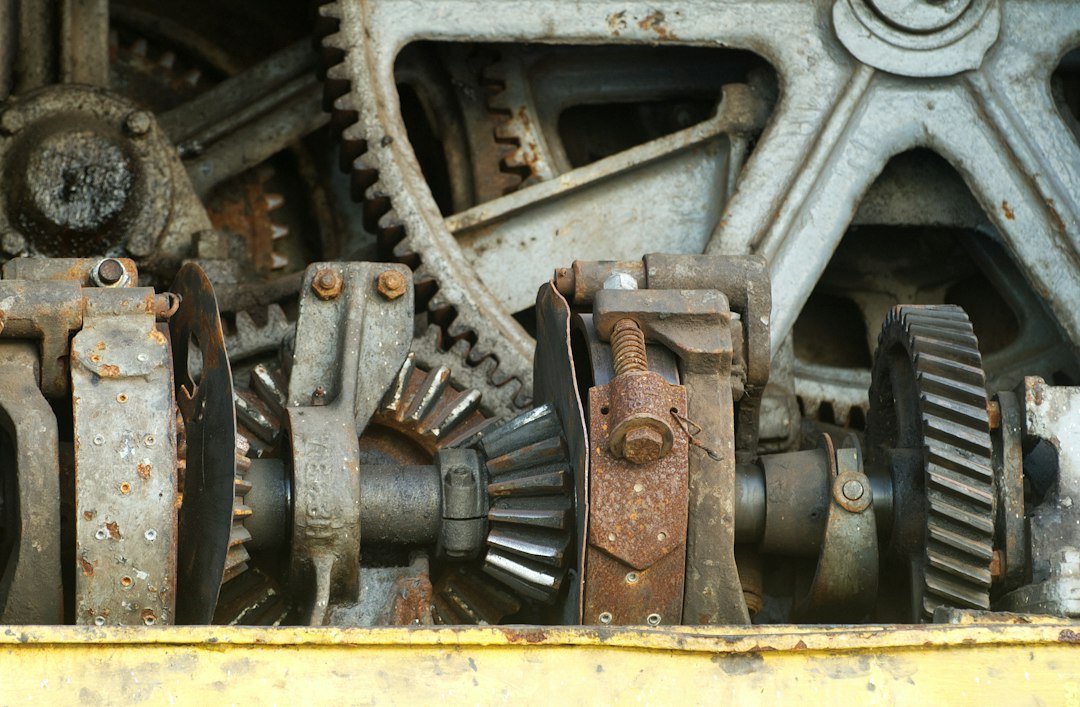
A common misconception about what is a limited slip differential is that it locks both drive wheels together all the time. It does not. A limited slip differential, often called an LSD, still lets the left and right drive wheels turn at different speeds in a corner, but it limits how much faster one wheel can spin when it loses grip.
That difference matters. With a normal open differential, the wheel with the least traction can spin easily while the wheel with grip receives too little torque to move the vehicle well. An LSD adds resistance to that speed difference, so more torque reaches the tire that can actually use it.
What is a limited slip differential and why does it exist?
A differential sits between the driven wheels on an axle. It is necessary because the outside wheel travels farther than the inside wheel during a turn, so it needs to rotate faster. No differential would make turning harsh. Tires would scrub, driveline parts would wind up, and the vehicle would feel reluctant to corner on dry pavement.
An open differential handles normal turns smoothly, but it has a familiar weakness. Put one driven tire on ice, mud, loose gravel, or a painted line, and that tire may spin while the tire on better ground does little. The engine can be making power. The vehicle still may not go anywhere.
An LSD is the compromise between those two jobs. It allows differential action for routine cornering, then resists excessive wheel-speed difference when one tire breaks loose. It does not create grip from thin air. It makes better use of the grip available at the other drive wheel.
How it improves traction
Traction is limited by the tire, surface, tire load, and throttle input. An LSD cannot turn worn all-season tires into winter tires. It can, however, reduce the waste that happens when one drive wheel is spinning and the other has enough bite to help move the car.
Picture a rear-wheel-drive car leaving a wet intersection. Weight shifts rearward under acceleration, which usually helps both rear tires, but one side may cross a slick patch or drain cover. With an open differential, that loose wheel can flare up quickly. With an LSD, some of the torque is transferred or maintained at the tire on the grippier surface, so acceleration is usually cleaner and requires fewer throttle corrections.
The same idea helps on loose roads and trail surfaces. One wheel may become lightly loaded as the axle moves over uneven ground. A limited slip can keep the loaded wheel contributing instead of letting the unloaded wheel take nearly all the spin. Progress improves. It is still not the same as a true locking differential, which mechanically forces both axle shafts to turn together when engaged.
It also helps performance driving. During corner exit, inside-wheel spin can upset the car and waste acceleration, especially in rear-drive vehicles. A well-matched LSD lets the outside tire, which often carries more load in a turn, receive useful torque. Too much locking can make a car push wide or feel abrupt, though, so the calibration matters as much as the hardware.
Common limited slip differential types
Not all LSDs act alike. Some use friction clutches, some use gears, and some rely on electronic brake control or electronically controlled clutch packs. The name alone does not tell you exactly how a vehicle will behave. Check the owner’s manual, build sheet, or manufacturer specifications for the hardware in a specific trim.
| Type | How it works | Typical feel and trade-off |
|---|---|---|
| Clutch-type LSD | Clutch packs resist speed differences between axle shafts. | Strong, predictable lock under power; clutches wear and may need the correct friction-modified gear oil. |
| Helical or gear-type LSD | Helical gears bias torque toward the wheel with more resistance. | Smooth and durable on pavement; it may work poorly if one wheel has almost zero resistance, such as when it is fully airborne. |
| Electronic brake-based system | The stability-control system brakes a spinning wheel to send torque across an open differential. | Common and effective for many drivers; repeated use can build brake heat and feel less immediate than a mechanical unit. |
| Electronic clutch-pack LSD | Computer-controlled clutches vary coupling based on wheel speed, throttle, steering, and drive mode. | Can adapt quickly to conditions; repair cost and behavior depend heavily on the vehicle’s programming. |
Clutch-type units are common in trucks, muscle cars, older sports cars, and some off-road vehicles. They may have preload, which gives a small amount of locking even before major wheelspin occurs. That can feel planted when accelerating. It can also make tight parking-lot turns feel slightly grabby in some vehicles.
Helical units are popular where smooth road manners matter. Their gears react to torque differences without conventional clutch plates, and many need no special friction modifier. There is one limitation. If a wheel is completely unloaded, a helical unit may need a light brake application or traction-control intervention to create enough resistance for torque bias.
Limited slip versus locking differential and traction control
A locking differential is more aggressive. When locked, it forces both wheels on that axle to rotate at the same speed, which is valuable when crawling through deep ruts or crossing obstacles where a wheel lifts. On high-grip pavement, a locked axle resists normal turning differences. That is why many factory lockers are selectable or automatically disengage above certain conditions.
Traction control takes a different route. It watches wheel-speed sensors and may reduce engine power, apply a brake to the spinning wheel, or both. It can make an open-differential vehicle surprisingly capable. But brakes convert energy into heat, and intervention may feel slower or more intrusive when you are trying to maintain momentum.
Many modern vehicles use both systems. A mechanical LSD handles part of the torque-sharing job immediately, while electronic traction control catches wheelspin that exceeds the differential’s ability. That pairing works well. The exact result depends on tire condition, drive mode, surface, and how aggressively the driver uses the throttle.
When an LSD is useful
An LSD makes the most sense when a vehicle regularly sees split-grip conditions or when the driver values controlled acceleration. Rear-drive pickups can benefit on wet grass, boat ramps, gravel driveways, and uneven job sites. Rear-drive cars often benefit during brisk corner exits. Front-drive cars can use one to reduce inside-wheel spin, although a strong unit can add steering pull under hard throttle.
For snow, tire choice comes first. Dedicated winter tires provide a major gain in braking and turning, areas where an LSD cannot help much. The differential mainly helps the vehicle get moving. Four-wheel drive or all-wheel drive adds more driven tires, but it does not cancel the need for decent tires either.
Use a simple buying check. If you often lose momentum because one drive wheel spins, an LSD is likely useful. If your driving is mostly dry commuting and gentle cruising, an open differential plus modern traction control may be perfectly adequate. Spend money on tires, brakes, and maintenance before chasing a differential upgrade.
Maintenance and driving tips
Start with the correct lubricant. Some clutch-type differentials require gear oil with a friction modifier, while others use a specified factory fluid. Using the wrong oil can cause chatter in turns, noise, or poor clutch operation. Verify the fluid specification with the owner’s manual or a reputable shop before service.
Pay attention to new behavior. Repeated banging, severe binding on normal turns, whining that changes with road speed, or a one-wheel-spin problem that appears suddenly can point to a worn differential, incorrect fluid, or another driveline issue. Stop aggressive driving if it feels wrong. A shop can inspect the axle, bearings, gears, and clutch packs rather than guessing from one symptom.
Throttle technique still matters. Roll into the pedal when a tire is near its traction limit instead of stabbing it and asking the differential to rescue the situation. Smooth inputs keep both tires working. That is usually faster and easier on the drivetrain.
Frequently asked questions
Does a limited slip differential mean both wheels always spin?
No. In a normal turn, the wheels still rotate at different speeds. The LSD only resists excessive speed difference, especially when one wheel begins to lose traction.
Is limited slip better than all-wheel drive?
They solve different problems. An LSD shares torque across one axle, while all-wheel drive can send power to both axles. A two-wheel-drive vehicle with an LSD can outperform an all-wheel-drive vehicle on poor tires in some situations. Tires remain the foundation.
Can I add an LSD to my vehicle?
Often, yes, if aftermarket support exists for that axle or transaxle. The job may require gear setup, bearing preload adjustment, and electronic recalibration on some modern vehicles. It is not a casual bolt-on. Ask a differential specialist for a vehicle-specific estimate and confirm whether the warranty or calibration could be affected.
How can I tell if my vehicle has one?
Check the owner’s manual, factory option list, axle code, or the manufacturer’s parts information. Do not rely only on a burnout test. That can be unsafe, hard on the vehicle, and misleading when traction control intervenes.
Related posts
This article is for general informational purposes only and is not mechanical, legal, financial, or insurance advice. Prices, insurance rates, tax credits, and manufacturer-stated fuel economy or EV range are estimates that change over time and vary by vehicle, region, and provider — always verify current figures with a dealer, mechanic, insurer, or official source before making a decision.
Disclosure: This post may contain affiliate links. If you click through and make a purchase, we may earn a commission at no extra cost to you. We only recommend products we’ve researched or genuinely believe in.