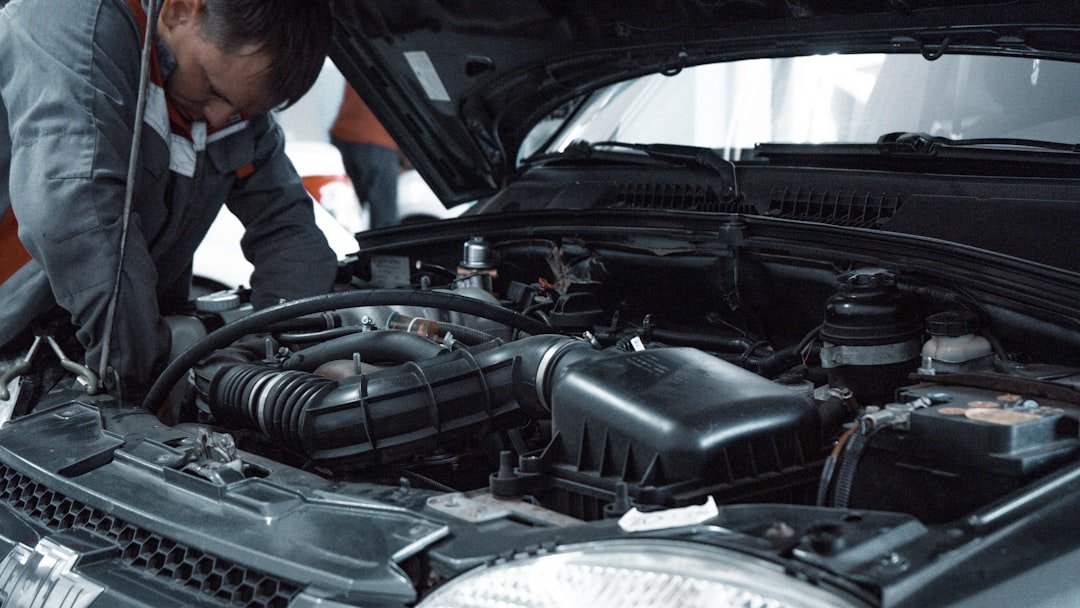
Pay for a pre-purchase inspection at a shop that knows solid-axle Jeeps before you agree to buy. That one step can uncover frame corrosion, loose steering parts, hidden leak damage, and poor prior repairs that a short test drive will miss. Common problems with Jeep Wrangler models are often manageable when caught early, but a neglected example can burn through a purchase budget fast. Common problems with Jeep Wrangler vehicles also vary a lot by generation, engine, climate, tire size, and how hard the previous owner used it off-road.
Common problems with Jeep Wrangler models
The Wrangler’s basic appeal has not changed much. It has removable doors and roof panels, solid axles, strong aftermarket support, and genuine trail ability. Those same traits bring compromises. Road manners are less settled than most SUVs, wind noise is normal, and previous modifications matter more than they do on a typical crossover.
Frame rust and underbody corrosion
Frame rust is the first major concern, especially on vehicles that have lived through salted winters, coastal roads, wet trails, or beach driving. Surface rust on axles, skid plates, bolts, and suspension arms is common. Rust that flakes away in layers, creates holes, or swells around suspension and body mounting points is a different matter.
Get underneath with a bright light. Inspect the frame rails around control-arm mounts, skid-plate mounts, rear spring perches, bump stops, fuel-tank area, and rear crossmember. Look inside accessible frame holes too. Fresh black undercoating can be legitimate protection, but it can also conceal corrosion. Tap suspect areas carefully and ask for photos from before any coating work. A rusty frame can be expensive to repair properly, and some vehicles are better left alone.
Steering looseness and death wobble
Wranglers can wander, follow road grooves, and feel busy compared with an independent-front-suspension SUV. That does not automatically mean something is broken. Violent steering oscillation after hitting a bump, often called death wobble, is not normal.
It is usually a system problem rather than one magic bad part. Worn ball joints, loose track-bar bolts or bushings, damaged tie-rod ends, incorrect alignment, weak steering components, poor tire balance, bent wheels, and oversized tires can all contribute. A steering stabilizer may mask symptoms for a while, but it does not cure worn or loose parts. During the inspection, have the shop check the track bar at both ends, steering linkage, ball joints, wheel bearings, control-arm bushings, tire condition, and alignment angles.
Water leaks and electrical trouble
Removable tops and doors make a Wrangler fun, but they also create more sealing points. Leaks may come from hardtop panels, freedom-panel seals, door surrounds, cowl areas, or worn weatherstripping. Check the carpet, especially at the front and rear footwells, under floor mats, around seat mounts, and in the cargo area. A musty smell, corrosion on seat brackets, damp insulation, or fogged interior glass deserves a closer look.
Water intrusion can lead to erratic switches, warning lights, speaker trouble, corroded connectors, and drain issues. Test every window, lock, exterior light, wiper speed, washer, HVAC setting, radio function, backup camera, and four-wheel-drive indicator. On a newer Wrangler, scan for stored codes even if no warning light is on.
Engine oil leaks and cooling-system faults
Engine concerns depend heavily on the year and powertrain. Many 2007-2011 Wranglers have the 3.8-liter V6, which has a reputation for using oil in some examples and can feel strained with large tires or heavy gear. A complete service history matters more than odometer reading alone.
The 3.6-liter Pentastar V6 used in many 2012-and-newer Wranglers is generally capable, but watch for oil leaks around the oil filter housing and cooler assembly, which sits in the engine valley. A sweet coolant smell, oily residue near the top of the engine, low coolant, or unexplained overheating needs diagnosis before purchase. Some Pentastar engines can also develop valvetrain ticking related to rocker-arm or cam wear. Listen closely on a cold start and after the engine is warm.
The 2.0-liter turbo four-cylinder in newer JL models brings better low-rpm torque, but it adds turbocharging, direct injection, and more cooling-system complexity. Check for clean oil-change records, coolant leaks, warning lights, rough running, and signs of aftermarket tuning. Modified turbo engines can be fine, but the buyer needs documentation and a realistic repair reserve.
Transmission, clutch, axle, and transfer-case issues
Automatic transmissions in stock, maintained Wranglers are often durable, though hard use, overheating, neglected fluid service, and oversized tires can shorten component life. On the test drive, shifts should be consistent without slipping, banging, long delays when selecting Drive or Reverse, or shuddering under light throttle.
A manual transmission deserves its own careful check. Confirm the clutch engages smoothly, does not slip under hard acceleration, and releases fully. Listen for bearing noise with the clutch pedal up and down. Some newer manual-equipped Wranglers have had safety recalls related to the clutch pressure plate, so run the VIN through the manufacturer’s recall lookup and confirm completed work with paperwork.
Engage four-wheel drive on a loose or low-traction surface where legal and safe. The transfer case should shift as the owner’s manual describes, and the vehicle should not make grinding noises. Check differential covers, pinion seals, axle tubes, and transfer-case seals for leaks. A humming sound that changes with road speed can point to tires, wheel bearings, or differential bearings. A shop can narrow it down.
| Area to inspect | What to look for | Why it matters |
|---|---|---|
| Frame and mounts | Flaking rust, holes, swelling, fresh heavy coating | Structural repairs can exceed the value of an older Wrangler |
| Steering and tires | Shake, wandering, uneven wear, loose track bar or linkage | May signal multiple worn parts or poor modification work |
| Engine bay | Oil or coolant residue, ticking, low fluids, overheating history | Leaks and valvetrain repairs can be costly |
| Cabin and roof | Damp carpet, mildew smell, stained headliner, faulty switches | Leaks can create hidden electrical and corrosion problems |
| Modification quality | Cheap lift parts, mismatched tires, wiring splices, missing receipts | Poorly planned changes often affect handling and reliability |
What to watch for when buying used
Start with the VIN. Check open recalls through Jeep or the relevant government safety database, then ask the seller for service invoices. Recall completion is not a reason to skip an inspection, but an unresolved safety recall should be handled before delivery. For plug-in 4xe models, pay particular attention to battery-related recall status and manufacturer guidance. Do not assume a vehicle is clear because the seller says it is.
Try to see the Wrangler cold. A seller who has warmed it up before every showing may have a harmless reason, but cold starts reveal more. Listen for ticks, rattles, exhaust leaks, and slow cranking. Watch the dash through the full key-on sequence. Warning lights should illuminate briefly and then go out after startup.
Drive it at city speed and highway speed. Hit ordinary road imperfections, then let the steering settle. Brake firmly in a safe area. Check whether it pulls, shimmies, clunks, or vibrates. Run the air conditioning and heat. If possible, remove and refit one roof panel or inspect how the soft top folds and latches. Replacement top parts are not always cheap.
Be cautious with heavily modified examples. A quality lift can work well, but it needs the right springs, shocks, control-arm geometry, steering corrections, bump-stop setup, driveshaft clearance, tire fitment, and alignment. Look for recognizable components, tidy wiring, proper brake-line routing, and receipts. A stock or lightly modified Wrangler with documented maintenance is usually the easier used buy.
Which Wrangler years need extra scrutiny
Older TJ models are loved for their simple layout, but age makes rust, worn suspension joints, old rubber parts, and neglected fluids the big risks. The 2007-2018 JK is easy to find and has huge parts support, though buyers should inspect the 3.8-liter V6 carefully on earlier models and check 3.6-liter cooling and oil-leak areas on later ones. JK interiors and electrical items can also show hard use.
The 2018-and-newer JL is more refined and has more available powertrain choices, but it has more electronics and software-dependent systems. Verify updates, recall work, roof and door fit, auxiliary battery condition where equipped, and the condition of any aftermarket accessories tied into the electrical system. A newer model is not automatically safer financially if it has been modified carelessly or serviced poorly.
Set a repair reserve before buying
Do not spend every dollar on the purchase price. Even a good used Wrangler may need fluids, filters, tires, brakes, a battery, weather seals, suspension parts, or catch-up maintenance after purchase. Prices vary by region and labor rates, so get estimates from a local Jeep-aware shop before using any defect as a negotiating number.
The best used Wrangler is rarely the cheapest one listed. Buy condition, records, and an honest inspection result. A clean frame, straight steering, dry interior, complete maintenance history, and sensible modifications matter far more than a shiny lift kit or oversized tires.
Related posts
This article is for general informational purposes only and is not mechanical, legal, financial, or insurance advice. Prices, insurance rates, tax credits, and manufacturer-stated fuel economy or EV range are estimates that change over time and vary by vehicle, region, and provider — always verify current figures with a dealer, mechanic, insurer, or official source before making a decision.
Disclosure: This post may contain affiliate links. If you click through and make a purchase, we may earn a commission at no extra cost to you. We only recommend products we’ve researched or genuinely believe in.