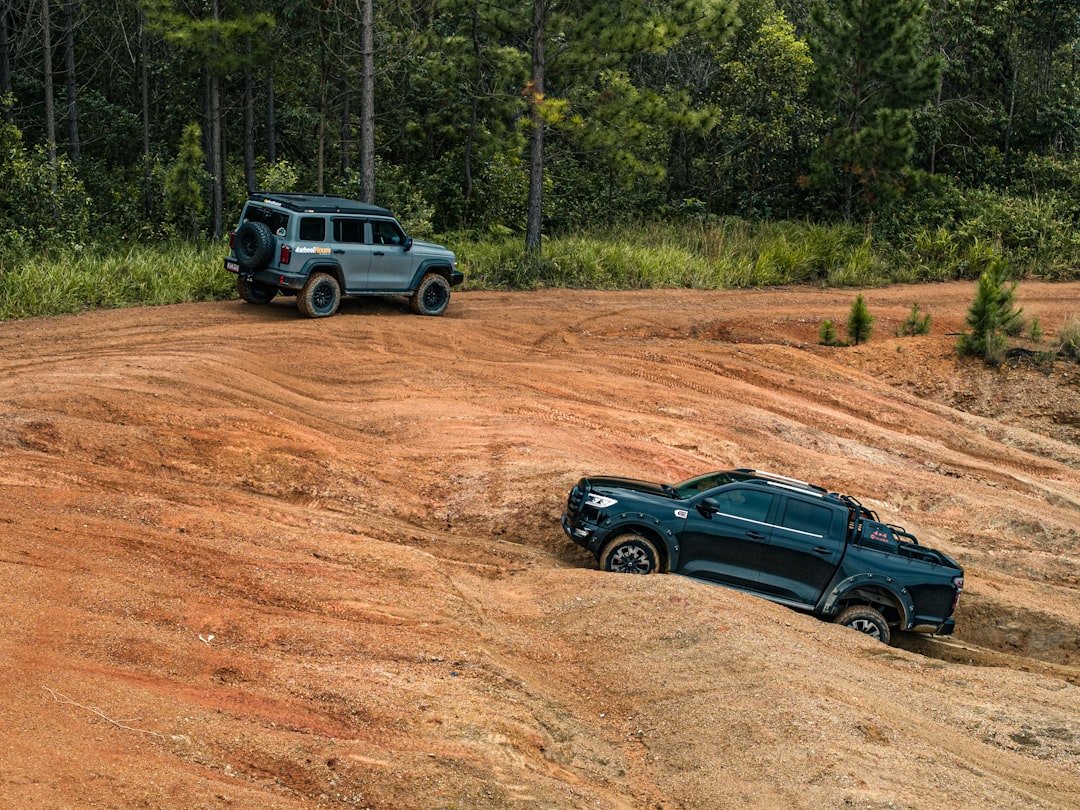
A Toyota Tacoma review pros and cons for off-road use comes down to a simple answer: it is one of the better factory trail trucks, especially in TRD Off-Road and Trailhunter form, but it asks you to accept everyday comfort compromises. This guide is most useful for buyers who need a truck that can handle rough tracks on Saturday without becoming a headache during the workweek.
The Tacoma has the stuff off-road drivers actually use: available four-wheel drive with low range, good approach angles, useful underbody protection on certain trims, and a long list of aftermarket parts. It is also compact enough for narrow wooded trails where a full-size pickup feels clumsy. The catch is that the Tacoma will not suit every off-road buyer. Trim selection matters a lot, as does whether you want to crawl rocks, cover desert miles, tow, commute, or carry a family.
Toyota Tacoma review pros and cons for off-road driving
| Area | What works well | What to consider |
|---|---|---|
| Trail hardware | Available low-range 4WD, locking rear differential, terrain modes, and factory skid protection | Not every trim has the same hardware, so check the exact build sheet |
| Size | Easy to place on tight trails and in parking lots | Cabin and rear-seat room are tighter than several rivals |
| Suspension | TRD Off-Road and Trailhunter setups are built for rougher surfaces | Ride can feel busy or firm on broken pavement |
| Powertrain | Turbo four-cylinder torque suits low-speed trail work | Throttle and transmission behavior may feel less smooth than a naturally aspirated V6 |
| Ownership appeal | Strong demand and deep aftermarket support | Popular trims and accessories can carry a high purchase price |
What the Tacoma does well off road
The Tacoma’s basic dimensions are a real advantage. A midsize truck can fit through tighter gates, squeeze around trees, and turn around more easily than most full-size pickups. That matters more than brochure numbers once a trail gets narrow. A shorter wheelbase configuration also tends to break over crests more cleanly, though bed length and cab choice affect the exact geometry.
For regular trail use, the TRD Off-Road trim is usually the sensible starting point. It is aimed at drivers who want low-range four-wheel drive and equipment intended for uneven surfaces rather than a cosmetic off-road package. Depending on model year and configuration, available equipment can include a locking rear differential, multi-terrain selection, crawl-oriented low-speed assistance, hill-descent control, all-terrain tires, and skid plates. Verify the equipment on the specific truck, because availability shifts with trim, package, and market.
The rear locker deserves special attention. In loose climbs or cross-axle situations, it can help keep the truck moving when one rear wheel loses grip. It is not magic. Good tire pressure, careful throttle control, line choice, and recovery planning still matter. But a locker is one of those pieces of factory hardware that makes a practical difference on slow technical trails.
Aftermarket support is another major Tacoma strength. There are plenty of choices for rock sliders, skid plates, suspension systems, bumpers, bed racks, lighting, recovery points, and camping gear. That makes it easier to build around the way you actually travel. Start modestly. Tires, protection for vulnerable components, a full-size spare, and basic recovery gear usually make more sense than a tall lift and heavy steel accessories bolted on all at once.
Resale is also part of the appeal. Tacomas tend to attract buyers in the used market, particularly clean four-wheel-drive trucks with sensible modifications. That does not mean any Tacoma purchase is a safe financial bet. Mileage, condition, accident history, local demand, and modifications still drive value. Keep original parts if resale matters.
Where the Tacoma falls short
The cabin is the most common compromise. Front-seat comfort depends heavily on body shape and seat adjustment, so spend time in one before ordering a truck. Rear-seat room can be limited, especially if adults regularly sit behind taller front passengers. The cab also has less width than many full-size trucks, which helps on trails but can make long highway days feel close.
Ride quality is another trade-off. A suspension that copes with ruts, washboard, and loaded gear does not always glide over patched city streets. Off-road-oriented tires add road noise and can reduce wet-pavement refinement. If the truck will spend 90 percent of its life commuting, take a long test drive on the roads you use, not just around the dealer block.
The newer turbocharged four-cylinder setup brings low-end torque, which is useful when easing over obstacles or climbing a grade. Still, some drivers prefer the simpler response and sound of an older naturally aspirated V6. Transmission calibration can also change the feel of the truck more than peak horsepower suggests. Drive both automatic and manual versions if they are available near you, then judge them at low speed and during highway merging.
Price is the other hard reality. A nicely equipped four-wheel-drive Tacoma can move quickly beyond the budget-friendly end of the midsize market, and a Trailhunter or other specialized build may cost close to some full-size pickups. Prices vary by region. Compare out-the-door quotes, insurance costs, finance terms, and the equipment included before assuming a higher trim is the better value.
Which Tacoma setup makes sense
For most people who mix commuting, forest roads, snow, camping, and occasional technical trails, a TRD Off-Road with four-wheel drive is the balanced choice. It gives you worthwhile trail equipment without committing to the cost and specialized suspension approach of the Trailhunter. Choose the cab and bed around passengers and cargo first. A truck that cannot carry your normal gear or fit your family becomes annoying long before the next trail trip.
The Trailhunter makes more sense for overland-style travel where extra protection, suspension capability, and gear-carrying readiness are central to the plan. It is not necessarily the right choice for every obstacle. It is heavier, more expensive, and may be more truck than a weekend trail driver needs. The TRD Pro is aimed at buyers who want a more aggressive factory off-road package and image, but it is worth comparing its equipment carefully against a TRD Off-Road plus only the upgrades you genuinely need.
A lower trim with four-wheel drive can work well for mild trails, hunting roads, job sites, and winter travel. Add quality all-terrain tires before chasing suspension modifications. Tires have a bigger effect on grip than many first-time buyers expect, while a lift can affect alignment, steering feel, fuel use, driveline angles, and warranty discussions. Ask a reputable alignment and suspension shop about the full setup rather than buying parts based on appearance.
Practical buying and trail-use checks
- Confirm that the truck has four-wheel drive with low range. All-wheel drive and a locking differential are not interchangeable systems.
- Check the tire size, spare tire, and clearance around the front air dam or steps. Low-hanging parts are easy to damage off pavement.
- Look underneath for scrapes, bent skid plates, leaking shocks, damaged control arms, and poorly routed accessory wiring on used trucks.
- Test the rear seat, driving position, and bed access with the people and gear you normally carry.
- Learn recovery-point locations before leaving pavement. Do not attach a recovery strap to a suspension component or trailer ball.
For a used Tacoma, inspect modification quality as closely as the truck itself. A clean installation with documented parts and professional alignment records can be reassuring. Random wiring, mismatched tires, noisy wheel bearings, or a suspension that wanders on the road should lower confidence. A pre-purchase inspection from a qualified shop is money well spent, especially on a truck that has seen serious trail use.
FAQ
Is the Toyota Tacoma good for beginner off-road drivers?
Yes, particularly in a four-wheel-drive configuration with low range. Its manageable size and available trail aids can make learning easier. Start on legal, moderate trails, learn when to use four-high and four-low, and practice basic recovery safety before attempting difficult terrain.
Is TRD Off-Road better than Trailhunter?
Neither is universally better. TRD Off-Road is often the better value for mixed daily driving and weekend trails. Trailhunter is more focused on long-distance dirt travel and factory-installed overland equipment. Compare the added hardware against the price difference and your actual use.
Do I need a lift kit for off-road use?
No. A stock Tacoma with suitable tires, careful driving, and basic protection can handle plenty of trails. Lift only when you have identified a real clearance need. Poorly chosen suspension parts can make a truck ride worse and create expensive fitment problems.
Can a Tacoma tow and go off road?
It can do both, but towing limits, payload, tongue weight, cargo, passenger weight, and terrain all matter. A loaded trailer changes braking, cooling demands, traction, and handling. Check the door-jamb payload label and the owner’s manual for the exact truck rather than relying on a broad model rating.
Related posts
This article is for general informational purposes only and is not mechanical, legal, financial, or insurance advice. Prices, insurance rates, tax credits, and manufacturer-stated fuel economy or EV range are estimates that change over time and vary by vehicle, region, and provider — always verify current figures with a dealer, mechanic, insurer, or official source before making a decision.
Disclosure: This post may contain affiliate links. If you click through and make a purchase, we may earn a commission at no extra cost to you. We only recommend products we’ve researched or genuinely believe in.