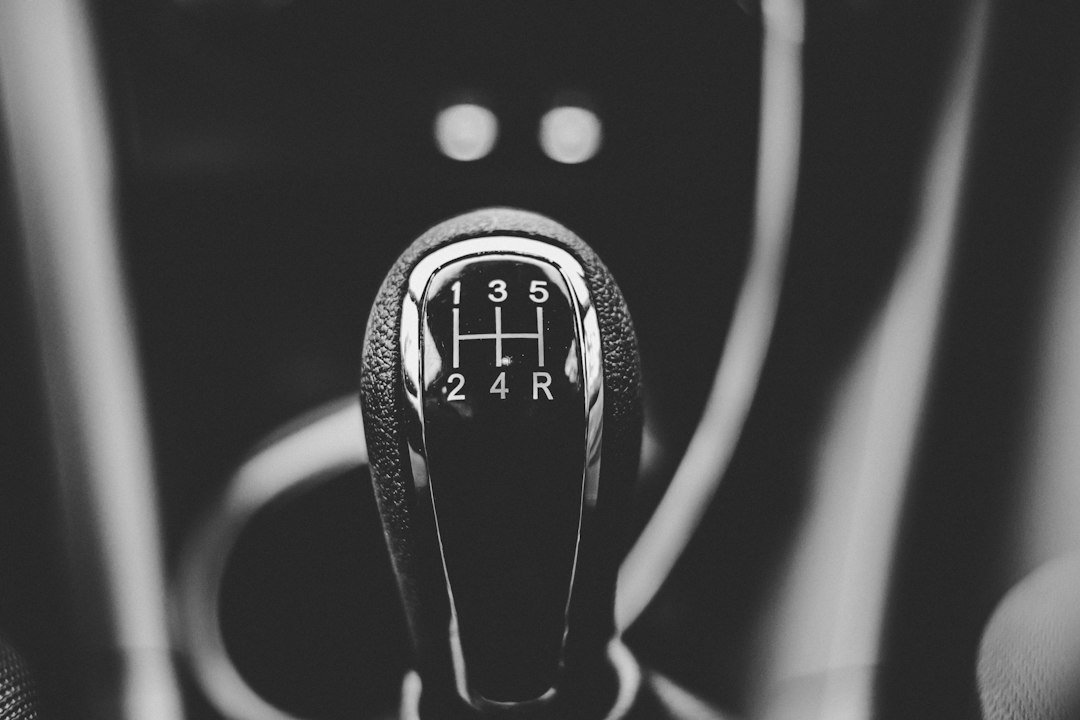
A common misconception is that learning how to drive a manual transmission car requires fast feet and perfect timing right away. That is backwards. How to drive a manual transmission car starts with slow, deliberate clutch control, and stalling a few times is a normal part of learning rather than proof that you cannot do it.
A manual gearbox asks you to coordinate three things: clutch pedal, gear lever, and accelerator. Start slowly. The clutch disconnects the engine from the transmission when you press it, allowing a gear change; releasing it reconnects engine power to the wheels, and the brief point where the car begins to pull is called the bite point or friction point.
Use a quiet, flat, paved space with room ahead and no pedestrians, parked cars, curbs, or traffic pressure. Flat ground matters. A large empty lot is usually easier than a steep driveway because you can focus on pedal feel instead of also fighting gravity, though you must follow local rules for where practice driving is permitted.
How to drive a manual transmission car step by step
Before moving, set the seat so you can fully press the clutch without stretching your knee or lifting your heel off the floor. Be comfortable. Adjust mirrors, fasten your seat belt, confirm the parking brake is on, and identify the pedal layout: clutch on the far left, brake in the middle, accelerator on the right.
Most manual cars use an H-pattern shift gate, with reverse separated by a lockout or an unusual movement such as pressing the lever down first. Check the owner’s manual. Do not guess at reverse while the engine is running, because its location and the lockout method differ between vehicles.
- Start in neutral. With the parking brake applied, move the gear lever side to side. In neutral it should move freely across the center area without selecting a gear.
- Press the clutch fully. Use your left foot and push the pedal all the way to the floor. Many modern manual cars will not start unless the clutch is fully depressed.
- Start the engine. Keep your right foot on the brake, start the car, and leave the transmission in neutral for a moment while you get settled.
- Select first gear. Keep the clutch fully down, then guide the lever into first using the pattern shown on the shift knob or in the manual. Do not force it.
- Release the parking brake when ready. Keep the brake pedal held if needed, especially if the ground is not perfectly level.
- Find the bite point. Ease the clutch upward very slowly until the engine note changes slightly and the car feels as if it wants to creep. Pause there. This is the key sensation to learn.
- Add a small amount of throttle. Hold a light, steady accelerator input while continuing to release the clutch smoothly. The car should move forward without a lurch.
- Remove your foot completely. Once the clutch pedal is fully up, rest your left foot on the dead pedal or floor area beside it. Do not leave it on the clutch.
The first few launches may be rough. That is normal. If the engine stalls, press the brake, apply the parking brake if necessary, place the shifter in neutral, press the clutch, and restart without rushing; the safest response is calm repetition, not trying to save a bad launch with extra throttle.
Learn the clutch bite point first
The bite point is the part most first-time drivers need to feel rather than memorize. It changes. A small hatchback, a diesel pickup, and a sporty gasoline car can all engage at different pedal heights and react differently to throttle, so use the car’s behavior instead of copying an exact pedal position from another vehicle.
On flat ground, you can practice the bite point with almost no accelerator. Press the clutch, choose first gear, release the parking brake, and lift the clutch until the car just begins creeping. Hold it briefly. Then press the clutch back down and brake to a stop. Repeat several times, but do not hold the car at the bite point for long because that creates heat and wear in the clutch.
| What you feel or hear | What it usually means | What to do |
|---|---|---|
| Engine revs rise but the car barely moves | Too much throttle or too much clutch slip | Ease off the accelerator and release the clutch more smoothly |
| Car shudders, then stalls | Clutch came up before the engine had enough support | Use a little more throttle or pause briefly at the bite point |
| Car jumps forward | Clutch released too quickly | Press the clutch again, brake if needed, and make the next release slower |
| Burning smell | Clutch may be slipping excessively | Stop practicing the maneuver, let things cool, and review your technique |
A brief stumble is harmless in many cases. A persistent burning odor is not a cue to keep trying. If you smell it repeatedly during ordinary starts, or the engine revs climb without matching acceleration after the clutch is fully released, have a qualified shop inspect the vehicle before assuming it is only driver technique.
Shift into higher gears smoothly
After the car is rolling cleanly in first, accelerate gently and listen to the engine. Keep it simple. Many cars are ready for second gear after a short distance at modest speed, but the best shift point depends on engine, gearing, road grade, traffic, and how quickly you need to accelerate.
To upshift, ease off the accelerator, press the clutch fully, move the lever directly into the next gear, then release the clutch smoothly while returning to the accelerator. Make one clean motion. You do not need to pause in neutral during a normal upshift, but forcing the lever is never correct.
First gear is mainly for getting moving. In normal driving, second gear handles low-speed travel, while higher gears reduce engine speed at faster road speeds. Look ahead early. Waiting until the engine is loud or the car feels strained makes shifting feel rushed, especially while you are still building muscle memory.
If a shift feels jerky, separate the problem. A jerk as you lift the clutch often means you released it too fast; a jerk when you get back on throttle may mean the accelerator came in too abruptly. Fix one input. Trying to correct both at once often makes a beginner tense up and repeat the same mistake.
Slow down, downshift, and stop
To slow normally, lift off the accelerator and brake with your right foot as needed. Brake first. The car can remain in its current gear while speed drops, but press the clutch before the engine begins lugging or before you come to a stop, then select a lower gear or neutral as the situation requires.
For a basic downshift while moving, brake to an appropriate lower speed, press the clutch fully, select the next lower gear, and release the clutch gradually. The lower gear raises engine speed. If the car jerks hard when the clutch comes up, the engine speed was too low for that gear or the clutch release was too abrupt.
Experienced drivers may match engine speed with a small accelerator blip before releasing the clutch during a downshift. Leave that for later. It can make downshifts smoother, particularly before a corner or on a grade, but beginner drivers should first master controlled braking and choosing a sensible gear without staring at the tachometer.
When stopping at a light or junction, brake smoothly with the transmission in gear, press the clutch near the end of the stop, and select neutral once stationary if you will wait. Use the parking brake when parked. Do not hold the car still on a hill by balancing clutch and throttle, since that overheats the clutch quickly.
Start on a hill without panic
Hill starts are where many learners worry most. Take your time. The parking brake method removes the need to move your right foot instantly from brake to accelerator, which gives you a calmer and more repeatable sequence than trying to balance every control at once.
- Stop with the transmission in first gear, clutch fully pressed, and parking brake firmly applied.
- Release the foot brake and add light, steady accelerator input.
- Lift the clutch slowly until you feel the bite point and the front of the car feels loaded against the brake.
- Release the parking brake while holding your feet steady.
- Continue releasing the clutch as the car moves uphill, then fully release it once rolling.
If the car rolls back, press the clutch and brake immediately. Reset. A few inches of rollback can become a serious issue when another vehicle is close behind, so leave extra space when practicing and avoid steep, busy hills until this process feels routine.
Habits that protect the clutch
Manual transmissions reward clean habits. Keep your left foot off the clutch pedal once you are moving, because even light pressure can partially disengage the clutch and add wear. Use the dead pedal. It also keeps your body position more stable over rough pavement.
Do not use the clutch to hold the vehicle on an incline, and avoid sitting at a long red light with first gear selected and the clutch pressed. Select neutral instead. This reduces strain on your left leg and can reduce unnecessary load on clutch-related components, although the exact effect depends on the vehicle’s design and condition.
Rest your hand away from the shifter after selecting a gear. It is a small habit. Constant pressure on the lever can place load on internal selector parts, and both hands should be available for steering when traffic, potholes, or an unexpected maneuver demands it.
Common first-time mistakes
Stalling is the classic mistake, but over-revving is nearly as common. More throttle is not always the answer. A controlled launch usually comes from finding the bite point and using just enough engine speed to prevent a stall, rather than revving high and slipping the clutch for several seconds.
Another mistake is looking down at the shifter. Keep your eyes up. Learn the pattern while parked with the engine off, then use light hand guidance and peripheral awareness while driving; watching the lever takes attention away from the space where pedestrians, cyclists, and braking vehicles appear.
Do not rush reverse either. Come to a full stop before selecting it, keep the clutch depressed, and wait a moment if the gear resists. Some cars make reverse easier to select after briefly choosing another gear first, but the owner’s manual is the right reference for that specific transmission.
Frequently asked questions
How long does it take to learn a manual?
Many people can make basic starts and shifts after a few focused practice sessions, while smooth hill starts and traffic driving take longer. There is no fixed timeline. Practice in short sessions, stop when fatigue makes your coordination worse, and add harder situations only after flat-ground starts feel calm.
Can you start a manual car without using the accelerator?
Often, yes, on level ground and at idle. Some engines have enough low-end torque to pull away by clutch control alone, especially when the vehicle is unloaded. Use caution. Adding a small amount of throttle is usually more practical for normal driving, inclines, or a car that tends to stall easily.
What happens if you shift into the wrong gear?
The result ranges from a mild jerk to an engine that bogs down or revs too high. Press the clutch. If you select a gear that does not suit your road speed, return to the clutch, brake if necessary, and choose the appropriate gear rather than trying to force the engine to recover.
Should you coast downhill in neutral?
No. Stay in gear. Coasting in neutral reduces your ability to use engine braking and may leave you less prepared to accelerate or manage speed, while some places also restrict the practice under traffic rules.
Can a beginner damage a manual transmission?
A few stalls usually do not damage a healthy car. Repeated clutch slipping, forcing the shifter, or selecting reverse while still moving forward can cause wear or damage. Smooth inputs matter more than fast ones, and any grinding, persistent clutch smell, or unusual shifting resistance deserves attention from a qualified shop.
Give yourself room, practice the bite point until it feels familiar, and keep every control movement unhurried. Smooth is fast later. Once starts, stops, and second-gear shifts become automatic, the manual gearbox feels less like a test and more like another useful connection between driver, engine, and road.
Related posts
This article is for general informational purposes only and is not mechanical, legal, financial, or insurance advice. Prices, insurance rates, tax credits, and manufacturer-stated fuel economy or EV range are estimates that change over time and vary by vehicle, region, and provider — always verify current figures with a dealer, mechanic, insurer, or official source before making a decision.
Disclosure: This post may contain affiliate links. If you click through and make a purchase, we may earn a commission at no extra cost to you. We only recommend products we’ve researched or genuinely believe in.