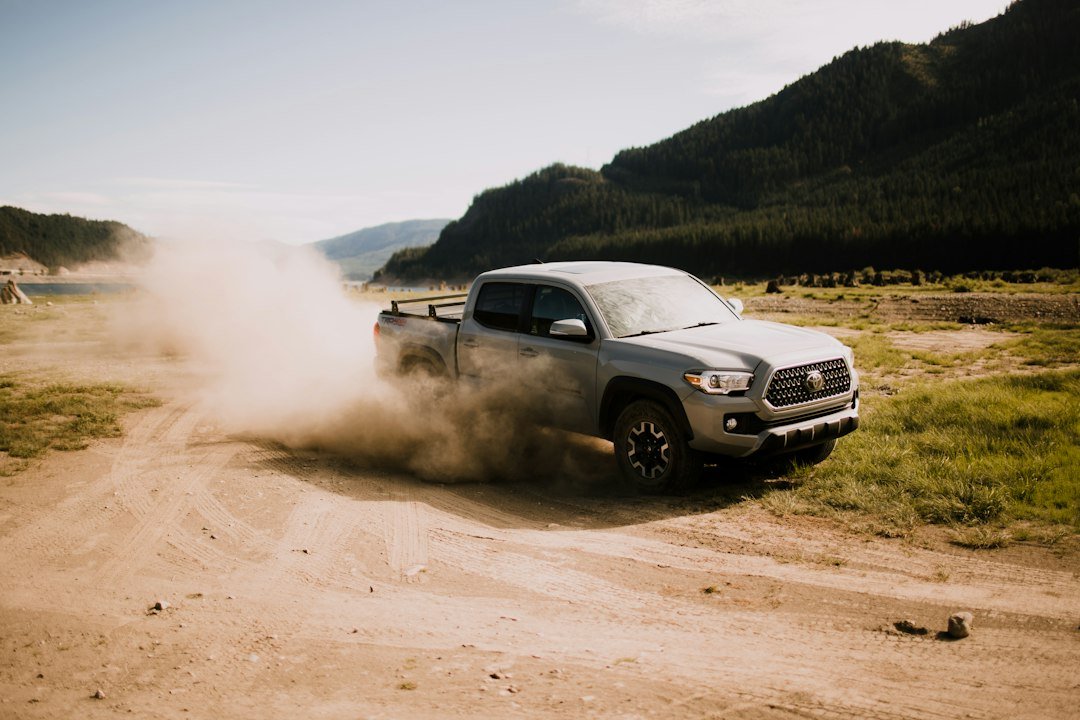
A Toyota Tundra reliability review points to a truck that can be a strong long-term ownership choice when its generation, maintenance history, and rust exposure are all checked carefully. The Toyota Tundra reliability review is less simple for newer turbocharged trucks than it is for the older V8 models. Age matters.
The 2007-2021 Tundra with the 5.7-liter V8 has a long-standing reputation for a durable basic drivetrain, although it burns plenty of fuel and has a few expensive age-related weak points. The 2022-and-newer redesign is quieter, more capable, and much more efficient in many real driving situations, but it has had more early-production concerns to investigate. Check the VIN.
Toyota Tundra reliability review by generation
The best choice depends on what you expect from the truck. A buyer who wants a simple tow vehicle for occasional use may accept an older V8’s fuel bill, while someone who drives many highway miles may prefer the newer powertrain and cabin despite the added complexity. There is no universal winner.
| Generation | Long-term strengths | Items to inspect before buying |
|---|---|---|
| 2000-2006 | Simple V8 layout and generally straightforward mechanical access | Frame corrosion, brake lines, suspension rust, service campaign history |
| 2007-2021 | Proven 5.7-liter V8, traditional automatic transmission, broad parts availability | Rust, secondary air injection faults, cam tower seepage, worn suspension, fuel costs |
| 2022-newer | Modern towing equipment, stronger low-end torque, improved interior and fuel use | Open recalls, engine replacement history, turbo system records, software updates, battery condition on hybrids |
Early first-generation trucks deserve a serious underbody inspection. In road-salt areas, frame rust can decide the truck’s future long before the engine gives trouble, and cosmetic black coating can hide scaling, perforation, or previous patch repairs. Bring a light.
The 2007-2021 trucks are often the safer bet for buyers who value a familiar V8 and want to keep a truck for many years. Their main trade-off is operating cost, because the 5.7-liter engine is thirsty in city driving and while towing, and neglected examples can develop issues with the secondary air injection system or oil seepage around the cam towers. Service records count.
The current-generation Tundra uses a 3.4-liter twin-turbo V6, with a hybrid version available in some trims. That means more heat management, more plumbing, and more electronics than the old V8 truck, so a complete dealer service record matters more than a low odometer reading alone. Newer is not always safer.
Some newer Tundras have been involved in manufacturer recalls and service actions, including concerns that can be serious on certain production runs. Do not rely on a seller’s description of recall work. Run the VIN through Toyota’s official recall lookup and ask a dealer to confirm whether all applicable repairs were completed.
What long-term ownership actually costs
Reliability is only part of the bill. A Tundra can avoid major powertrain trouble and still need tires, brakes, shocks, ball joints, fluids, batteries, and rust prevention as it ages, especially if it tows, plows, carries heavy loads, or sees winter roads. Trucks wear by use.
The older V8 can be easier for an independent shop to diagnose, and used parts are widely available, but fuel spending can erase some of that simplicity for a high-mileage commuter. As a rough example, a truck that uses 4 extra gallons per 100 miles versus another choice adds 800 gallons over 20,000 miles, before fuel-price changes. Do the math.
A newer turbo Tundra may use less fuel in similar driving, but do not assume that makes it cheaper to own after warranty coverage ends. Turbochargers, hybrid components, sensors, and integrated electronics can make diagnosis more involved, and the final repair path depends on the exact fault and local shop capability. Keep records.
How to inspect a used Tundra
Spend an hour inspecting the truck before discussing accessories or paint. A clean bed cover does not offset hidden corrosion, warning lights, rough shifting, or missing maintenance paperwork. Start cold.
- Check the VIN for recalls and ask for repair invoices, not verbal assurances.
- Inspect the frame, crossmembers, brake lines, skid plates, and rear suspension mounts for rust or fresh undercoating over flaky metal.
- Start the engine cold and listen for unusual rattles, tapping, persistent ticking, or a rough idle.
- Drive it at city and highway speeds, then test smooth braking, steering return, transmission shifts, four-wheel-drive engagement, and backup camera operation.
- Look underneath after the drive for oil, coolant, or transmission-fluid leaks, then pay for a pre-purchase inspection if the truck is a serious candidate.
For a 2007-2021 model, ask specifically whether the secondary air injection system has had repairs and whether any oil seepage has been monitored. For a 2022-or-newer truck, ask for documentation of engine work, recall completion, and software updates. Paperwork beats promises.
Maintenance that helps a Tundra last
Follow the maintenance schedule in the owner’s manual, then shorten fluid and inspection intervals when the truck works hard. Frequent short trips, dusty roads, heavy towing, and long idling all justify closer attention than a lightly used highway truck receives. Severe use changes things.
Change engine oil with the correct specification, inspect coolant condition, rotate tires, and service brakes before metal contacts metal. Also wash the underbody during winter if roads are salted, because corrosion prevention is one of the few cheap habits that can protect an expensive truck structure. Do it early.
If you tow near the truck’s ratings, watch payload as closely as trailer weight. A weight-distribution hitch may be appropriate for some trailer setups, but the correct setup depends on the truck, hitch, trailer, cargo placement, and manufacturer instructions. Verify ratings first.
FAQ
Is the 5.7-liter V8 Tundra more reliable than the twin-turbo V6?
The older 5.7-liter V8 has a longer real-world history and fewer major systems around it, which gives it an advantage for buyers who prioritize proven simplicity. It is thirsty. A well-maintained newer V6 may still be a good truck, but its service history and recall status deserve more weight in the purchase decision.
What mileage is too high for a used Tundra?
Mileage alone is not a cutoff. A 150,000-mile truck with documented fluid services, a clean frame, and sensible use can be a better bet than a neglected 80,000-mile truck that towed heavily or lived on salted roads. Condition wins.
Are Tundras expensive to maintain?
Routine maintenance is broadly normal for a full-size pickup, but tires, fuel, suspension work, and corrosion repairs can add up. The old V8 typically costs more at the pump, while newer models may cost more to diagnose when a complex system develops a fault. Budget for truck-sized parts.
Should I buy a Tundra with an open recall?
It is usually smarter to have recall work completed before purchase or make the sale contingent on written confirmation that it will be done. Recall availability and repair timing can vary, so verify the current status directly with a Toyota dealer. Get it in writing.
Related posts
This article is for general informational purposes only and is not mechanical, legal, financial, or insurance advice. Prices, insurance rates, tax credits, and manufacturer-stated fuel economy or EV range are estimates that change over time and vary by vehicle, region, and provider — always verify current figures with a dealer, mechanic, insurer, or official source before making a decision.
Disclosure: This post may contain affiliate links. If you click through and make a purchase, we may earn a commission at no extra cost to you. We only recommend products we’ve researched or genuinely believe in.