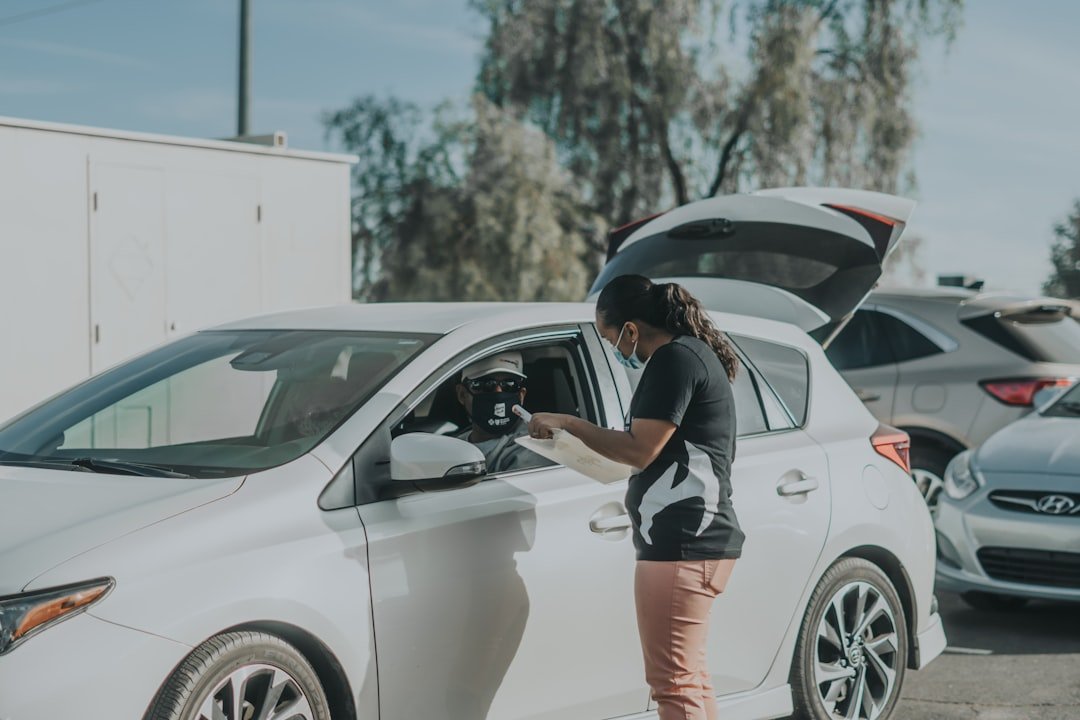
You pull into a dealership after work, the trade is parked under bright lights, and the salesperson asks for your keys before discussing the next car. That is the moment when knowing how to get the best trade in value matters. Small details count. To improve your offer, prepare the vehicle, understand its honest condition, and obtain offers before you commit to a replacement vehicle.
A trade-in is mostly a convenience transaction. The dealer buys your vehicle at a wholesale-oriented number, then factors in inspection, reconditioning, transport, auction risk, local demand, and a margin if it plans to retail the car itself. That does not mean you should accept a vague low figure. It means your best leverage comes from presenting a clean, documented vehicle and knowing what comparable buyers are willing to pay today, while recognizing that market timing can affect the number as well.
How to get the best trade in value before you shop
Start your research a week or two before you plan to buy. Check several online valuation tools, but treat their figures as estimates rather than a promised offer, because trim level, mileage, condition, location, title history, and current used-car demand can move the real number substantially. Use the vehicle identification number when a site allows it, since seemingly small details can affect the valuation.
Get at least two actual purchase offers from dealers, used-car buyers, or local franchise stores that sell your brand. An online estimate is useful, but an inspected offer with an expiration date is stronger at the negotiating table. Save the offer emails or printouts. Bring them along.
When comparing numbers, make sure they describe the same thing. A dealer might quote a high trade figure while quietly reducing the discount on the vehicle you are buying, adding products, or changing the financing terms. Keep the conversations separate at first: negotiate the purchase price or out-the-door price of the replacement vehicle, then negotiate the trade, then review financing. Handle one number at a time so the full deal remains clear.
Also check whether your state, province, or territory gives a sales-tax credit for a trade-in. In many places, tax is calculated on the difference between the new vehicle price and the trade allowance, but rules vary by region and transaction type. A lower trade offer can occasionally make sense if the tax treatment and overall deal are better. Ask for the figures in writing.
Preparing your car for appraisal
Preparing your car for appraisal is less about disguising problems and more about making its real condition easy to see. A dirty cabin, a trunk full of clutter, low tires, and a burned-out bulb tell an appraiser that other maintenance may have been ignored, even when the mechanical side is sound. First impressions are real.
Wash the exterior, vacuum the interior, clear out personal items, and wipe obvious spills from the console and seats. Do not use greasy tire shine or heavy fragrance that makes the car look hurriedly dressed up. Keep it simple. A clean vehicle lets the buyer assess paint, upholstery, and trim without guessing what is underneath.
Address inexpensive, obvious faults if the repair cost is clearly below the likely value deduction. Replace a missing key fob if you can do so reasonably, install matching basic floor mats if the originals are gone, replace failed exterior bulbs, and top up washer fluid. These are small jobs. Keep receipts.
Be careful with larger repairs. Spending a substantial amount on bodywork, tires, a transmission concern, air-conditioning diagnosis, or a major service rarely returns dollar for dollar on a trade, especially when the dealer will recondition the car through its own suppliers. If a warning light is on, get a diagnostic quote so you understand the issue, then decide whether to repair it or disclose it and price accordingly. Do not clear codes just before appraisal. They often return.
| Prep item | Usually worth doing | Usually better to disclose or price in |
|---|---|---|
| Cleaning and removing clutter | Yes, low cost and improves presentation | No reason to skip it |
| Burned-out bulb or wiper blade | Yes, if the fix is inexpensive | Only if parts are unusually costly |
| Missing key or fob | Often, compare replacement cost first | If programming cost is high |
| Warning light | Repair only after a diagnosis supports it | Yes, if repair cost is uncertain or major |
| Dents, paint damage, worn tires | Only for minor, low-cost corrections | Usually, for expensive cosmetic work |
Gather the paperwork before the appointment. Bring the title if you own the car outright, current registration, payoff information if there is a loan, every key and fob, service records, and receipts for recent tires, brakes, battery replacement, or scheduled maintenance. Paperwork will not erase a bad transmission. It can support a better condition assessment by showing that the vehicle was maintained rather than neglected.
Present the car honestly and protect your position
Tell the appraiser about known accidents, warning lights, mechanical noises, water damage, modifications, and title issues. Hiding a problem usually does not work because most buyers inspect the vehicle, run a history report, scan diagnostic systems, or discover the issue during reconditioning. Honesty saves time. It also makes it easier to compare offers that are based on the same known condition.
Modifications deserve special care. A clean set of factory wheels, original intake parts, stock suspension components, and the original exhaust can help if you still have them, because mainstream dealers often prefer vehicles they can resell to a broad group of buyers. A tasteful modification may appeal to one shopper, but it can narrow the dealer’s market. Keep the stock parts when possible.
Know your loan payoff before you visit. If you owe more than the trade offer, the difference is negative equity, and it does not disappear when you trade the vehicle. It gets paid in cash or rolled into the new loan. For example, if your payoff is $18,500 and the best offer is $16,000, you have $2,500 to settle before considering the new vehicle price, tax, fees, or financing. Write it down.
If you have positive equity, confirm how the dealer calculated it. A $20,000 trade allowance against a $14,000 payoff leaves $6,000 in equity, assuming no other payoff fees or adjustments. Review the purchase agreement line by line. Numbers can move fast.
Use offers without turning the deal into a fight
Once you have a firm outside offer, give the dealer a straightforward chance to beat it. Say that you have an offer for a specific amount, explain that you would rather complete the deal in one place if the numbers work, and ask for its best appraisal. Then stop talking. Silence is useful.
Do not focus only on monthly payment. A lower payment can come from a longer loan term, more cash down, a higher trade allowance offset by a higher vehicle price, or an interest rate that changes later in the paperwork. Ask for the selling price, trade value, taxes, fees, payoff, amount financed, term, and annual percentage rate. See the whole deal.
Be ready to walk away if the figures stop making sense. This is especially true when a dealer says your outside offer is unrealistic but will not explain its own appraisal, refuses to provide a written breakdown, or repeatedly redirects the conversation to payment alone. Another buyer may value your vehicle differently. Your paperwork travels with you.
Private sale can bring more money than a trade, but it costs time and effort. You may need to photograph the vehicle, answer messages, arrange safe test drives, handle payment carefully, and complete title paperwork. For a late-model, clean, desirable vehicle, the extra return may justify that work. For an older car with issues, a straightforward trade can be the better deal. Convenience has value.
FAQ
Should I repair dents before trading in my car?
Repair small dents only when you know the cost is modest and the result will be clean. A dealer often repairs cosmetic damage for less than a retail customer can, so expensive paintwork or panel replacement may not increase the trade offer enough to pay you back. Get an estimate first.
Will a car wash really increase trade-in value?
A wash does not create thousands of dollars in value by itself. It makes condition easier to judge, avoids a neglected appearance, and can prevent a buyer from assuming worse problems are hidden under dirt and clutter. Clean it anyway.
Is it better to trade in with a loan still on the car?
Yes, you can trade a financed vehicle, but obtain the exact payoff amount from your lender and compare it with the offer. If you have negative equity, understand precisely whether you will pay it separately or finance it into the next loan. Never guess.
When is the best time to get a trade appraisal?
Get the appraisal shortly before you are ready to transact, because offers commonly have short expiration periods and market demand changes. A vehicle with low mileage, no warning lights, good tires, and fresh maintenance records is usually easier to appraise at any time of year. Condition wins.
Can I negotiate a trade-in offer after agreeing on the new car?
You can, and it is usually cleaner to negotiate the replacement vehicle price first. Then introduce your competing trade offer and ask the dealer to improve on it. Keep every figure visible. That prevents a better trade number from being offset elsewhere.
Related posts
This article is for general informational purposes only and is not mechanical, legal, financial, or insurance advice. Prices, insurance rates, tax credits, and manufacturer-stated fuel economy or EV range are estimates that change over time and vary by vehicle, region, and provider — always verify current figures with a dealer, mechanic, insurer, or official source before making a decision.
Disclosure: This post may contain affiliate links. If you click through and make a purchase, we may earn a commission at no extra cost to you. We only recommend products we’ve researched or genuinely believe in.