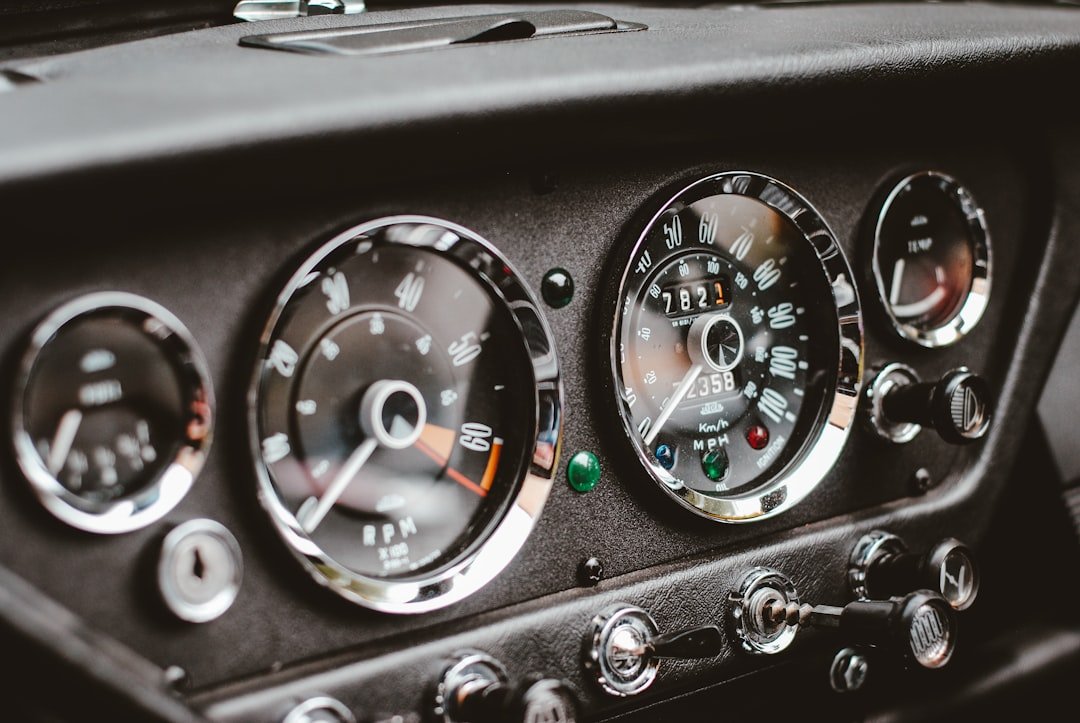
The answer to what is the average lifespan of a car is roughly 12 to 15 years, or about 150,000 to 200,000 miles, for a modern vehicle that receives regular maintenance and avoids serious rust or crash damage. Mileage matters more. A well-kept highway commuter may reach 250,000 miles, while a neglected car used for repeated short trips can become expensive well before 100,000 miles.
The odometer alone does not decide a car’s future. Condition does. Two identical cars with 120,000 miles can be worlds apart when one has documented oil changes, clean fluids, good tires, and a rust-free underside while the other has skipped service and spent winters on salted roads.
What is the average lifespan of a car by age and mileage?
Age and mileage work together, but neither tells the whole story. Ten years is not old for many vehicles now. Rubber seals, hoses, suspension bushings, batteries, and plastic parts still age even when a car has low miles, while a higher-mile vehicle that runs mostly long highway trips may have less wear on its engine, transmission, and brakes than expected.
A useful buying or ownership benchmark is 150,000 miles. At that point, a car does not automatically need replacing, but you should expect more frequent wear-item repairs and take a clear look at its maintenance record, corrosion, and overall reliability before putting major money into it.
| Vehicle condition | Typical useful-life outlook | What to watch |
|---|---|---|
| Regularly maintained, mostly highway use | Often 200,000 miles or more | Fluid leaks, suspension wear, aging electronics |
| Normal mixed driving with routine service | Often 150,000 to 200,000 miles | Brakes, tires, battery, cooling-system parts |
| Short trips, missed maintenance, hard use | May become costly before 150,000 miles | Oil sludge, rust, transmission wear, neglected repairs |
| Severe winter salt or coastal exposure | Mechanical life may exceed body life | Rust at subframes, brake lines, mounts, and rocker panels |
These are practical ranges, not promises. A specific model’s design, past repairs, climate, and driver habits can matter more than the badge on its hood.
What usually ends a car’s useful life
Most cars are retired because repair costs stop making sense, not because the engine suddenly cannot run. Rust is the big exception. Severe corrosion in structural areas, suspension mounting points, fuel lines, or brake lines can make an otherwise decent-running vehicle a poor repair candidate.
Major powertrain work can also force the decision. An engine replacement, transmission rebuild, or hybrid battery replacement may be reasonable on a clean, well-maintained vehicle with plenty of remaining life, but the same repair can be hard to justify when it comes with rust, worn suspension, electrical faults, and a long list of deferred maintenance.
Do the math before deciding. If a $2,500 repair keeps a car safely usable for another two years, that is about $104 per month before normal maintenance, which can be cheaper than replacing it. The calculation changes quickly if several large repairs are already waiting.
How to extend it with basic maintenance
The simplest way to extend a car’s life is to follow the maintenance schedule in the owner’s manual, then fix small faults before they create collateral damage. Start early. Fresh oil cannot repair prior wear, but correct oil and filter changes help protect an engine throughout its life.
- Change oil and filters on schedule. Use the oil grade and specification listed in the manual. Check the level between services, especially on an older engine that may consume oil.
- Watch the cooling system. An overheating event can damage an engine fast. Investigate a rising temperature gauge, coolant smell, low coolant level, or visible leak promptly.
- Service transmission, differential, and brake fluids as specified. Some vehicles use longer fluid intervals than older cars, but “lifetime fluid” wording does not mean the fluid stays perfect forever. Confirm the recommendation for your exact vehicle with its manual or a reputable shop.
- Keep tires properly inflated and aligned. Uneven tire wear can point to alignment, suspension, or steering trouble. It also makes the car less pleasant and less safe to drive.
- Wash road salt off the underbody. This matters in snowy regions and near the coast. A basic underbody rinse after salty weather can slow corrosion around brake lines, fasteners, and suspension parts.
- Do not ignore warning lights or new noises. A small coolant leak, rough shift, wheel bearing hum, or check-engine light is usually cheaper to diagnose early than after it worsens.
Driving style has a real effect too. Let the engine warm up gently by driving normally rather than idling for long periods, avoid repeated hard acceleration when the engine is cold, and use the vehicle often enough to keep the battery charged and seals lubricated.
How to judge whether an older car is worth keeping
Start with the body and underside. Surface rust is common, but flaky structural metal, rusted brake lines, loose suspension mounting points, or corrosion around subframes deserve a professional inspection before you spend money elsewhere.
Then review the last year of repairs and the next 12 months of likely needs. Tires, brakes, a battery, and routine fluid service are normal ownership costs. An engine problem combined with transmission trouble and severe rust is a different situation.
Keep records. A folder of invoices and notes about mileage, fluids, tires, and repairs helps you spot patterns and gives a future buyer confidence if you eventually sell the vehicle.
Frequently asked questions
Can a car last 300,000 miles?
Yes, some cars reach 300,000 miles. It is not automatic. Consistent maintenance, a sound cooling system, manageable rust, and timely repairs give a vehicle the best chance, but major components may still need work along the way.
Is age or mileage worse for a car?
Neither is always worse. Low-mileage cars can have dry-rotted tires, stale fluids, corroded parts, and weak batteries after sitting, while high-mileage cars may be healthy if they were driven regularly and serviced on time.
When is a car too expensive to repair?
A car becomes too expensive when repair costs exceed its practical value to you and do not leave a dependable, safe vehicle afterward. Safety comes first. Get a written estimate, ask what other repairs are likely soon, and compare that total with replacement options before deciding.
Do short trips reduce engine life?
They can. Very short drives may not fully warm the oil or recharge the battery, and repeated cold operation adds wear over time. Combining errands or taking an occasional longer drive can help, provided the car is otherwise operating normally.
Related posts
This article is for general informational purposes only and is not mechanical, legal, financial, or insurance advice. Prices, insurance rates, tax credits, and manufacturer-stated fuel economy or EV range are estimates that change over time and vary by vehicle, region, and provider — always verify current figures with a dealer, mechanic, insurer, or official source before making a decision.
Disclosure: This post may contain affiliate links. If you click through and make a purchase, we may earn a commission at no extra cost to you. We only recommend products we’ve researched or genuinely believe in.