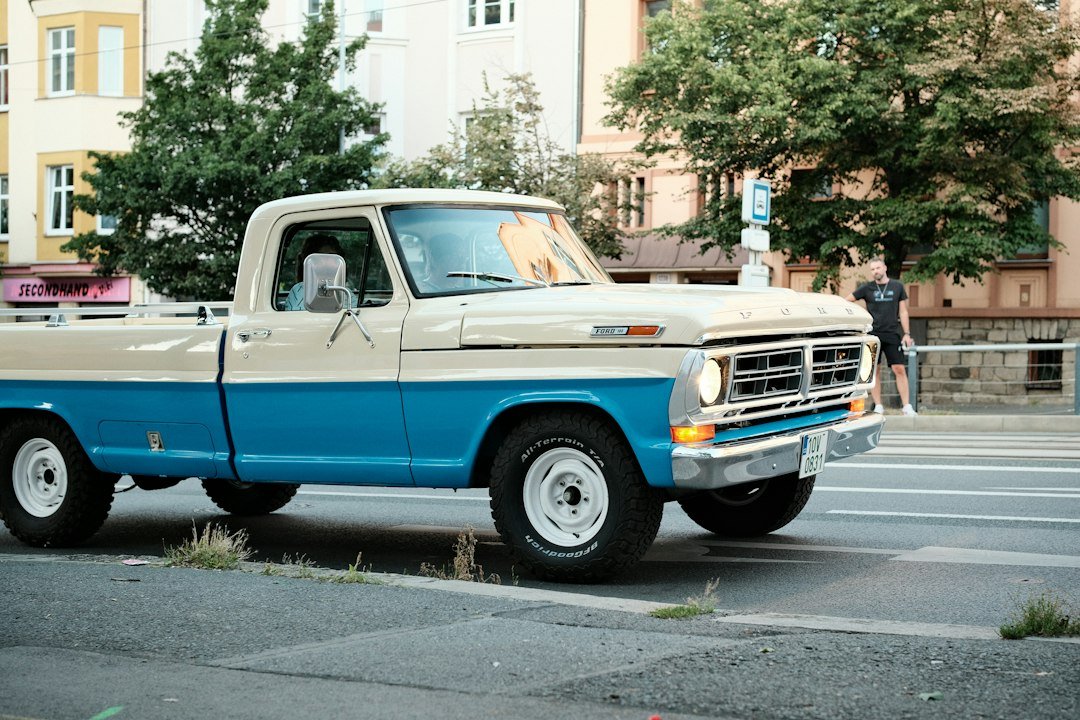
The Ford Maverick review pros and cons for city driving come down to one simple point: it is easier to live with than a full-size pickup, but it still asks more of you in parking lots and narrow streets than a compact SUV. The hybrid is usually the better city pick because stop-and-go traffic suits its powertrain well, while the available turbo gas engine makes more sense for drivers who tow, want all-wheel drive, or regularly haul heavier loads. It is a useful little truck. It is not a tiny vehicle.
For many urban owners, the Maverick hits a sweet spot that traditional pickups miss. You get an open bed for dirty gear, flat-pack furniture, mulch, bikes, and weekend hardware-store runs without committing to the width, height, and fuel use of a larger truck. Its crew cab also gives it real everyday usefulness, although the back seat is better for kids or occasional adult passengers than regular long trips. The compromise is obvious. The bed is still behind you.
Before buying one, drive the exact version you want on the streets where you actually park. A Maverick can feel compact next to an F-150, Silverado, or Ram, yet its overall length and wide rear bed corners can still make older parking structures and cramped curbside spots feel busy. A ten-minute test drive tells you more than a spec sheet. Try a three-point turn too.
Ford Maverick review pros and cons for city driving
The biggest advantage is that the Maverick gives city drivers truck utility without the usual full-size-truck penalty. It fits in many ordinary parking spaces, sits lower than most body-on-frame pickups, and has a manageable step-in height for loading groceries or gear. The cab feels more like a crossover than an old-school work truck. That matters every day.
Its unibody construction is part of the reason. The Maverick rides on a car-based platform rather than a separate truck frame, so broken pavement, expansion joints, and potholes generally do not produce the same bouncy unloaded ride common in larger pickups. It still feels like a truck when the bed is empty on rough roads, but it is usually easier to place and less tiring in traffic than a traditional midsize pickup. Road condition changes the experience.
The bed is the reason many people choose it instead of a compact SUV. The approximately 4.5-foot bed is short, but it can handle bags of soil, a folded ladder, camping gear, greasy parts, wet boots, or a small appliance without making the cabin smell like a garage. The tailgate arrangement can help support longer items when set correctly, but read the owner manual before relying on it. Tie things down. A short bed can still carry a long load poorly.
The hybrid powertrain is another strong point for urban use. In low-speed traffic, hybrid systems can use electric assist and recapture some energy during braking, so the vehicle often feels relaxed during repeated starts and stops. It also avoids the harsh shift behavior that some people dislike in conventional automatic transmissions. The engine may start and stop more often than expected. That is normal hybrid behavior.
Fuel-economy figures depend on model year, drivetrain, wheels, temperature, speed, cargo, and driving style, so check the current window sticker and official ratings for the exact truck. Even so, the hybrid is generally the sensible choice if most of your miles involve commuting, school runs, traffic lights, and short errands. Cold weather reduces hybrid efficiency. So does aggressive acceleration.
The turbocharged gas engine has a different personality. It is generally the better match for buyers who need stronger acceleration with a loaded bed, higher available towing capacity, or all-wheel drive availability, depending on the model year and configuration. It can feel more eager merging into fast traffic, especially with passengers and cargo aboard. It also uses more fuel in city driving. That difference can add up over years of ownership.
| City-driving need | Better Maverick choice | Why it fits |
|---|---|---|
| Heavy traffic and regular commuting | Hybrid | Usually the lower-fuel-use option in stop-and-go conditions. |
| Snowy roads or frequent unpaved travel | Available all-wheel-drive configuration | Extra traction may matter more than fuel savings for some drivers. |
| Frequent towing or heavier loads | Turbo gas engine with suitable tow equipment | Check the exact towing rating, package, and payload label before buying. |
| Apartment parking and errands | Hybrid with parking camera equipment | Easy low-speed response and better visibility aids reduce daily hassle. |
There are drawbacks, and parking is the first one. The Maverick is much shorter and narrower than many pickups, but it is still roughly 200 inches long, which is longer than plenty of compact crossovers and hatchbacks. Its front end is easy enough to judge, while the bed makes the rear corners feel farther away than they are. Cameras help. They do not create space.
A backup camera should be treated as a useful aid, not an excuse to stop checking mirrors and looking over your shoulder. If you often use a tight garage, measure the opening, garage depth, and room needed to walk around the truck before signing paperwork. Do the same with your regular parking deck. A few inches matter.
The turning circle is another item to test rather than assume away. Compared with a full-size truck, the Maverick is easier to swing into a spot and less awkward on narrow residential streets. Compared with a small sedan or compact crossover, it can still need more steering input and an occasional extra maneuver. This is especially noticeable in older downtown areas. Curbs are unforgiving.
Rear-seat room is a clear compromise. The front seats work well for adult drivers, and the upright cabin layout gives good forward visibility, but rear passengers do not get the legroom of a larger crew-cab truck or many midsize SUVs. For a couple, a single driver, or a family with younger kids, that may be completely fine. For tall teenagers, try the rear seat first. Bring their car seat too.
Interior materials are practical rather than luxurious in many trims. Harder plastics can be easier to wipe down after muddy shoes, a dog ride, or a spilled drink, and that is an honest benefit in a small pickup. On the other hand, some buyers expecting an upscale compact SUV may find the cabin plain for the price. Trim levels change often. Compare the actual truck, not online photos.
Payload and towing deserve a reality check. A Maverick can move useful stuff, but it is not designed to replace a half-ton pickup for regular heavy work. The maximum payload and tow rating vary by engine, equipment, passengers, options, and model year. The yellow payload label on the driver-side door jamb is the number that matters for that individual truck. Read it before loading anything serious.
Here is a simple loading example. If the door label says 1,400 pounds of payload, that total includes people, bed cargo, accessories, and trailer tongue weight. Two adults at 350 pounds combined, a 100-pound bed cover, and 500 pounds of supplies leave about 450 pounds before considering anything else. The math is plain. It is easy to exceed limits without noticing.
What city drivers should check before buying
Start with where the truck will sleep. Measure your garage and use the dimensions of the exact Maverick model from Ford’s current specifications, rather than relying on a salesperson’s memory or an old forum post. Include mirrors, door swing room, shelves, and the distance behind the vehicle. It sounds fussy. It prevents an expensive surprise.
- Drive your usual route at rush hour if the dealer allows it, including a tight turn and a parking garage entrance.
- Park it in a normal bay, then open the doors and tailgate as you would at home.
- Put an adult in the rear seat, or install the child seat you use, and adjust the front seat realistically.
- Check the driver-door payload label and the official towing guide for the exact VIN or configuration.
- Price insurance, registration, accessories, and fuel before deciding between hybrid and turbo models.
Also think about bed security. An open truck bed is handy, but groceries, tools, gym bags, and loose cargo are exposed unless you use a tonneau cover, lockable storage solution, or bring items into the cab. Covers cost extra and can affect how you use tall cargo. A basic cargo net helps. Proper tie-downs help more.
For daily urban use, I would prioritize the equipment you touch constantly: a backup camera, parking sensors if available, good headlights, phone integration, and a bed solution that matches your actual cargo. Fancy wheels can look good, but larger wheels and lower-profile tires can make pothole damage more expensive. Cities eat tires. Keep that in mind.
Who should buy the Maverick for urban use
The Maverick makes the most sense for a driver who needs an open bed often enough to appreciate it, but does not need the bulk of a large truck. Think homeowners with limited storage, cyclists who dislike roof racks, renters hauling projects, or commuters who occasionally carry messy equipment. It is especially appealing if a compact SUV almost works for you. The bed closes that gap.
The hybrid is usually the straightforward recommendation for city-focused buyers who can live with the available drivetrain and capability limits of the version offered in their area. It is calmer in traffic and should use less fuel under the conditions many commuters face. Availability can be uneven. Do not choose a vehicle based on a promised delivery date or incentive until the dealer confirms it in writing.
Skip the Maverick if you rarely use a bed and need maximum rear-seat comfort, the smallest possible parking footprint, or a very quiet luxury-car experience. A compact crossover may carry your daily life more comfortably while taking less effort to park. Skip it too if your work regularly requires heavy trailer loads or dense cargo. Buy capacity for the work you actually do.
FAQ
Is the Ford Maverick easy to park in a city?
It is easier to park than a midsize or full-size pickup, but it is not as effortless as a compact car. The length and bed corners are the main adjustment, particularly in older garages and narrow curbside spaces. A rear camera helps a lot. Test it where you park.
Is the Maverick hybrid good for stop-and-go traffic?
Yes, that is generally where a hybrid makes the most sense. Its system can use electric assistance at low speeds and recover some energy during braking, which can reduce fuel use compared with a conventional gas-only setup. Winter conditions can reduce the advantage. Check current official ratings.
Can a Maverick replace an SUV for a small family?
It can for some families, especially if the rear seat mostly carries children and the bed solves a regular cargo problem. The cabin storage and enclosed luggage space are less convenient than in many SUVs, and tall rear passengers may want more legroom. Car seats change the equation. Bring yours on the test drive.
Which Maverick engine is better for city driving?
The hybrid is usually the better fit when commuting and errands make up most of your mileage. Choose the turbo gas engine if the available towing capability, acceleration, or all-wheel drive matters more to your use. Neither choice is universally best. Your load and weather conditions decide it.
What should I inspect on a used Maverick?
Check for open recalls through Ford or the relevant government recall database, confirm maintenance records, inspect tire wear, test every camera and screen function, and look closely at the bed, tailgate, hitch, and tie-down points for signs of hard use. Take a proper road test. A pre-purchase inspection by a qualified shop is money well spent.
Related posts
This article is for general informational purposes only and is not mechanical, legal, financial, or insurance advice. Prices, insurance rates, tax credits, and manufacturer-stated fuel economy or EV range are estimates that change over time and vary by vehicle, region, and provider — always verify current figures with a dealer, mechanic, insurer, or official source before making a decision.
Disclosure: This post may contain affiliate links. If you click through and make a purchase, we may earn a commission at no extra cost to you. We only recommend products we’ve researched or genuinely believe in.