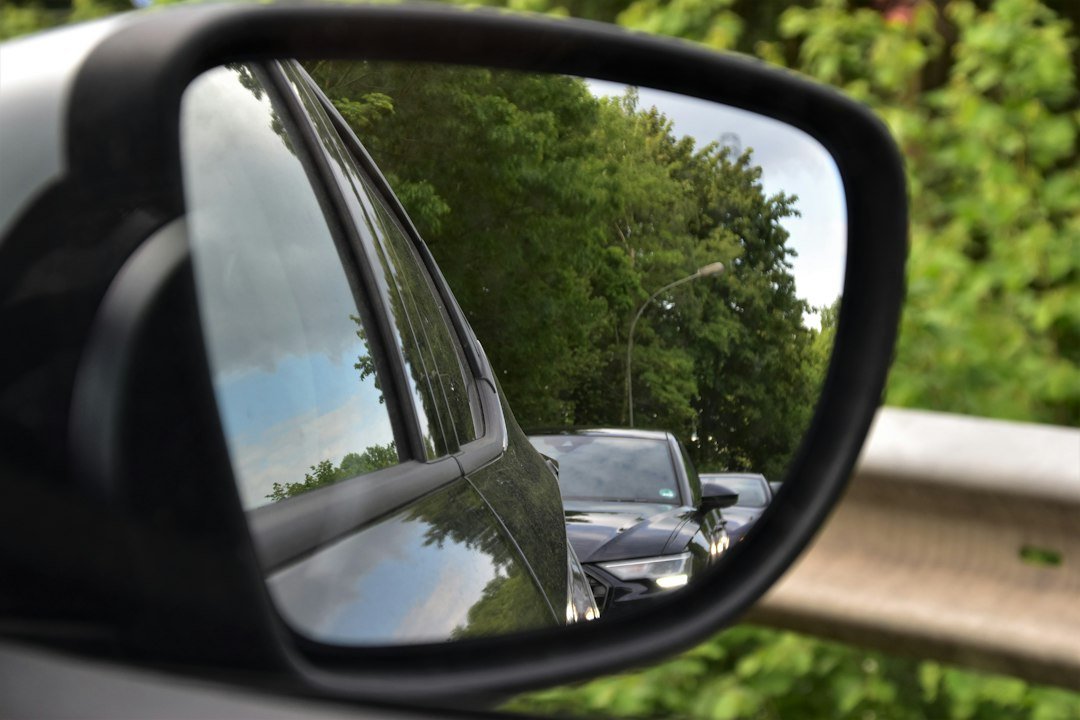
How does blind spot monitoring work? A common misconception is that it sees everything beside your car and makes a shoulder check unnecessary. It does not. Blind spot monitoring, often called BSM or blind-spot warning, uses sensors to look for vehicles in nearby lanes, then lights an indicator near the relevant mirror when it detects one. Some systems add a beep, steering-wheel vibration, or braking response if you signal a lane change toward that vehicle. Think of it as an extra set of electronic eyes. Keep looking yourself.
How does blind spot monitoring work in a car?
Most blind spot monitoring systems use short-range radar sensors mounted behind the rear bumper corners. They send out radio waves and measure reflections from nearby vehicles, which lets the control module estimate an object’s direction, distance, and relative speed. It happens continuously. When a car enters the monitored zone beside or slightly behind yours, the system decides whether that object is relevant and turns on the warning lamp on that side. The exact detection area varies by vehicle, but it usually covers the lanes immediately next to yours and starts near the rear doors or rear quarter panels.
The warning normally appears before you signal. That is useful because it gives you time to hold your lane rather than discovering a vehicle during the maneuver. If you activate the turn signal toward the occupied side, many vehicles make the warning more urgent with flashing lights and an audible alert. Some cars can also apply gentle steering correction or braking through a linked lane-change assist system. Those interventions differ a lot by manufacturer and model. Read your owner’s manual.
What the sensors can and cannot detect
Radar works well in darkness and does not depend on a clean camera view of lane markings, which is why it is common for this job. Still, it has limits. A fast-approaching motorcycle may enter the detection zone later than a car, while a vehicle that is already far ahead may be outside the system’s intended coverage. Small trailers, bicycles, guardrails, parked cars, and roadside barriers can also confuse certain systems or trigger temporary alerts. Conditions matter.
| Situation | What the system may do | What you should do |
|---|---|---|
| Vehicle cruising beside you | Mirror indicator stays illuminated | Wait until the lane is clear |
| You signal toward an occupied lane | Light flashes and may sound an alert | Cancel the move and recheck |
| Sensor blocked by dirt or snow | Warning message or system shutdown | Clean the bumper and drive carefully |
| Vehicle quickly approaches from behind | Alert may appear late | Check mirrors and over your shoulder |
Why the mirror light is placed where it is
The little amber or yellow icon is usually in the outside mirror glass, its housing, or near the front corner of the side window. That placement keeps the warning close to the mirror you should be checking anyway. It is deliberate. A dashboard light would make the driver look away from the side of the vehicle at the wrong moment. On many cars, the lamps briefly illuminate when you start the engine so you can confirm the system is powered up.
Do not confuse the blind spot indicator with a lane-departure warning. Blind spot monitoring watches traffic beside the vehicle, while lane-departure systems generally use a forward-facing camera to see road markings and notice when the car drifts. The two systems may share displays, buttons, and warning sounds, but they solve different problems. Rear cross-traffic alert is closely related to blind spot monitoring, though it watches for traffic crossing behind you while reversing out of a parking space. Same hardware, different job.
When blind spot monitoring may miss something
A system can be working normally and still fail to warn you in a specific situation. Heavy rain, packed snow, road grime, ice, or a bumper repair that leaves a sensor misaligned can reduce radar performance. A bike, narrow motorcycle, or vehicle moving at a very different speed can also create a short detection window. This is normal behavior. Many systems also stop operating below a certain speed, especially when the car is in reverse, and the exact thresholds depend on the vehicle.
Be extra cautious after a rear-end bump, even when the bumper looks fine. Radar sensors sit behind plastic bumper covers, and their aim can be affected by damaged brackets, nonstandard repairs, thick paint work, hitch-mounted accessories, or aftermarket body parts. A dash warning may say the sensor is blocked or unavailable. Do not ignore it. Clean the bumper first, then have a qualified shop inspect and calibrate the system if the message remains or appears after collision repair.
Use it as a check, not permission
The best routine is simple: check the inside mirror, check the outside mirror, glance over your shoulder, signal, then move only when the lane is clear. The blind spot light should support that routine, not replace any part of it. Take your time. This matters most on multilane highways, in dense urban traffic, and when merging around larger vehicles that hide smaller road users.
Here is a practical test after buying a used vehicle or borrowing an unfamiliar one. With a safe passenger or another driver, travel on a quiet multilane road and let the other vehicle gradually come alongside each rear quarter. Watch when each mirror light activates, then signal toward that vehicle without changing lanes to see whether the warning changes. Do this safely. You will learn the system’s timing and warning style without treating it as a substitute for observation.
If the indicators never light, begin with the vehicle settings menu because blind spot monitoring can often be switched off. Next, inspect the rear bumper for mud, snow, stickers, damage, or a warning message on the instrument panel. Some vehicles need a few minutes of driving before the system becomes active. If the issue continues, a dealer or repair shop can scan for fault codes and check sensor calibration. Verify repair advice for your specific model.
Related posts
This article is for general informational purposes only and is not mechanical, legal, financial, or insurance advice. Prices, insurance rates, tax credits, and manufacturer-stated fuel economy or EV range are estimates that change over time and vary by vehicle, region, and provider — always verify current figures with a dealer, mechanic, insurer, or official source before making a decision.
Disclosure: This post may contain affiliate links. If you click through and make a purchase, we may earn a commission at no extra cost to you. We only recommend products we’ve researched or genuinely believe in.