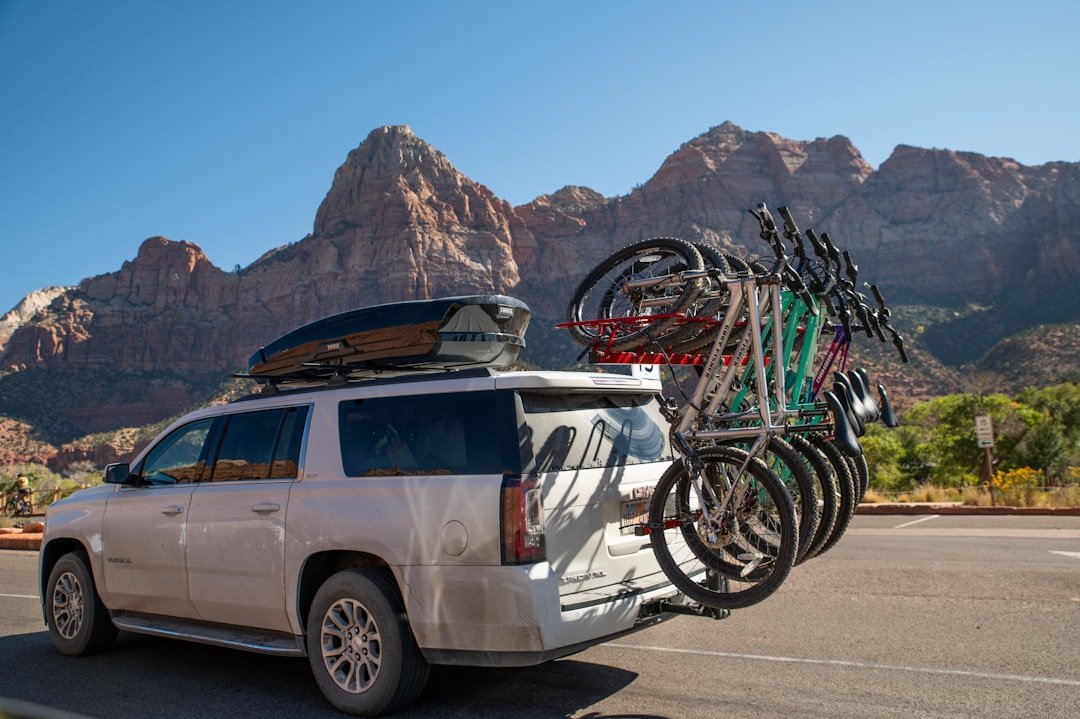
A common misconception is that the best roof rack for SUV use is simply the strongest-looking set of crossbars you can buy. That is wrong. The best roof rack for SUV owners carrying kayaks and bikes is one that fits the vehicle roof correctly, leaves enough usable bar width for the carriers, stays manageable at highway speed, and does not turn loading a 70-pound kayak into a weekly back injury waiting to happen.
What makes the best roof rack for SUV hauling
Start by separating a roof rack from a roof carrier. They are different. The rack usually means the crossbars and mounting feet attached to factory rails, fixed mounting points, a bare roof, or a track system. Kayak cradles, J-style carriers, bike trays, baskets, and cargo boxes mount on those crossbars.
That distinction matters because many listings advertise a complete-looking setup when they only include bars, or only include a kayak attachment that still needs a base rack. Read the parts list. A vehicle-specific fit kit is often required, and it can be the difference between a solid installation and a rack that cannot be mounted at all.
Roof load limits come first. Your SUV has a roof rating in the owner manual, while the crossbar system and each carrier also have their own limits. Use the lowest rating in the chain, and include the weight of the bars, carriers, bikes, boats, straps, locks, and any accessories in your calculation.
A roof rating is not always the same as a moving rating. Parked load capacity can be higher on vehicles intended for roof tents, but that does not automatically mean the SUV can safely carry that much weight on the road. Check the manual. If the manufacturer gives no clear figure, a dealer or qualified rack installer can help confirm the applicable limit.
Know your SUV roof type
Your roof design narrows the choices quickly. Raised rails are the easiest setup because there is space under the rail for clamp-style feet. Flush rails sit against the roof, so they need shaped vehicle-specific feet and usually cost more.
Fixed mounting points are tidy. Small covers in the roof reveal threaded points or dedicated mounts, and systems from companies such as Thule, Yakima, Rhino-Rack, and some OEM accessory lines may have matching kits. Bare roofs can also take racks, but clamp feet touch the door frame area and need careful positioning to avoid paint damage or poor door sealing.
Factory crossbars deserve a close look before replacement. Some are genuinely useful, especially on SUVs with substantial raised rails, but others are narrow, curved, short, or limited in load rating. Measure them. A carrier that technically clamps on may still lack enough clearance for a kayak hull, a bike tray clamp, or a cargo box lid.
Crossbar spread matters too. This is the front-to-rear distance between bars. Wider spread generally gives a long kayak or canoe better support and helps a roof-mounted bike tray feel less twitchy, while very close bars can leave a long boat with too much unsupported overhang.
Choose the crossbar shape carefully
Round, square, and aero bars all carry gear. The trade-offs are real. Round and square bars are often simple and affordable, with broad accessory compatibility, but they tend to make more wind noise and can create a noticeable whistle at certain speeds.
Aero bars are usually the better daily-driver choice. Their shaped profile cuts wind noise compared with basic square tubing, and many use a top channel that accepts T-track hardware for cleaner carrier installation. They cost more. They also make sense when the rack stays on the SUV through most of the year.
Bar width is easy to overlook. You need room for the mounting hardware, enough gap between kayak carrier and bike rack hardware, and clearance so a bike handlebar or pedal does not hit the boat. Wider bars can solve those issues, although bars that stick far beyond the roofline are easier to bump into and may catch a shoulder in the driveway.
| Rack style | Best fit | Advantages | Trade-offs |
|---|---|---|---|
| Aero crossbars | Frequent highway use | Lower noise, clean T-track mounting | Higher purchase price |
| Square or round bars | Occasional hauling and broad accessory use | Simple mounting, often lower cost | More wind noise and drag |
| Heavy-duty platform bars | Large loads and off-pavement use | Strong accessory support and durability | Added weight, noise, and height |
| Factory crossbars | Light, occasional loads | Integrated appearance and easy setup | May have limited width or capacity |
Kayak carriers need more than straps
A kayak can ride hull-up on padded crossbars, in J-style cradles, in saddle-style cradles, or on a stacker carrier. Each method works when it is correctly matched to the boat and tied down properly. The simplest setup is not always the easiest one to load.
J-style carriers hold a kayak on its side. They free up bar space, so they are useful when you want one kayak beside a roof bike tray or when carrying two narrow boats. They raise the loading point, though. On a tall SUV, lifting a heavy kayak into a J-cradle can be awkward even for a strong person.
Saddle carriers support the hull in a more level position. They often distribute load well and can be friendlier to wider recreational kayaks, but they use more roof width. Loading can still be hard. A rear roller, loading bar, or a thick moving blanket over the rear roof edge can reduce the wrestling match, provided the method does not damage paint or interfere with the vehicle.
Foam blocks are inexpensive, but they are a temporary solution rather than a preferred regular-haul system for most SUV owners. They need careful strapping through the cabin, can wear paint if grit gets underneath, and do not give the same repeatable attachment points as proper crossbars. Keep it simple.
Use bow and stern tie-downs for long kayaks. They reduce fore-and-aft movement and help control the boat in gusty crosswinds or during emergency braking. Do not overtighten straps. Composite boats, plastic hulls, and even some carrier cradles can be damaged when a ratchet strap is cranked down like it is securing construction equipment.
Bike racks change the buying decision
For one bike, a roof tray can work well beside a kayak carrier if bar width allows it. The bike stays isolated from the rear hatch, and there is no hitch rack blocking access to cargo. The drawback is height. Lifting a heavy e-bike overhead is a poor plan for many owners.
Roof bike racks also affect garage clearance. Measure the SUV height with the bike mounted before pulling into a carport, parking structure, or drive-through. Put a reminder in the cabin. A small label on the steering wheel can save an expensive mistake.
Frame-contact roof bike carriers are usually less expensive and can hold a bike securely, but their clamps may scuff painted frames or be unsuitable for carbon tubes. Wheel-hold trays avoid clamping the frame and suit many modern bike shapes better, although they are often bulkier and cost more. Verify compatibility with tire width, wheel size, fender use, and bike weight before buying.
If you regularly carry multiple bikes plus kayaks, a hitch bike rack paired with roof kayak carriers is often the more sensible split. It keeps the heavy bikes low and leaves roof space for boats. That setup depends on your hitch rating, tongue-weight limit, rear-camera behavior, and whether the rack allows hatch access.
Research-based rack choices
| System | Core difference | Typical crossbar system price |
|---|---|---|
| Thule WingBar Evo | Premium low-noise aero bars with broad carrier availability and vehicle-specific fit kits | About $500 to $800 for bars, feet, and a fit kit |
| Yakima JetStream | Aero-bar system with vehicle-specific towers and a versatile accessory ecosystem | About $450 to $750 for bars, towers, and a fit kit |
| Rhino-Rack Vortex | Tougher-looking aluminum bars with a wide accessory range for baskets, awnings, and multiple carriers | About $350 to $650 for bars, feet, and a fit kit |
| OEM crossbars | Clean factory integration that can suit leased SUVs or owners who prioritize straightforward fit | Varies by vehicle and accessory line |
Confirm the exact feet, towers, and fit kit for your SUV because similar-looking rails can require different parts. Fit availability can vary by model year, roof configuration, and region. Check the stated dynamic roof load limit before assuming a system can handle a pair of kayaks.
Noise, fuel use, and everyday compromises
Any roof rack changes airflow, and even quality aero bars can create wind noise, especially with a sunroof, panoramic roof, crossbar gap, or an empty carrier left installed. Fuel economy usually drops with roof gear installed, and a kayak has a larger effect than bare crossbars because it presents a broad shape to the air. The exact change depends on speed, vehicle shape, wind direction, and load. A fairing may help on some setups, but correct bar position usually matters more. Remove carriers when you are not using them if noise and fuel use bother you.
Sunroof clearance is another practical concern. Do not open a panoramic roof blindly after adding crossbars or carrier hardware. Check it first. Some factory instructions specify a bar position or advise against using the sunroof with accessories installed.
Buy the system, then test it
Buy a matched system rather than mixing random bars, clamps, and hardware because they happen to fit physically. Manufacturer compatibility charts are useful starting points, but confirm your exact model year, trim, roof rail style, and roof option package before ordering. Prices vary by region.
After installation, shake each bar by hand, recheck torque or clamp tension according to the rack maker’s instructions, and load the kayak or bike at home before a highway trip. Drive a short route first. Stop and inspect straps, carrier clamps, and tie-downs after the first few miles, then check them again during longer travel.
The right rack feels boring once installed. That is the goal. A quiet, correctly fitted aero-bar system with dedicated kayak cradles and a compatible bike tray is often the best all-round answer, while a hitch bike rack plus roof kayak setup makes more sense when bike weight and loading height are the main problems.
Related posts
This article is for general informational purposes only and is not mechanical, legal, financial, or insurance advice. Prices, insurance rates, tax credits, and manufacturer-stated fuel economy or EV range are estimates that change over time and vary by vehicle, region, and provider — always verify current figures with a dealer, mechanic, insurer, or official source before making a decision.
Disclosure: This post may contain affiliate links. If you click through and make a purchase, we may earn a commission at no extra cost to you. We only recommend products we’ve researched or genuinely believe in.