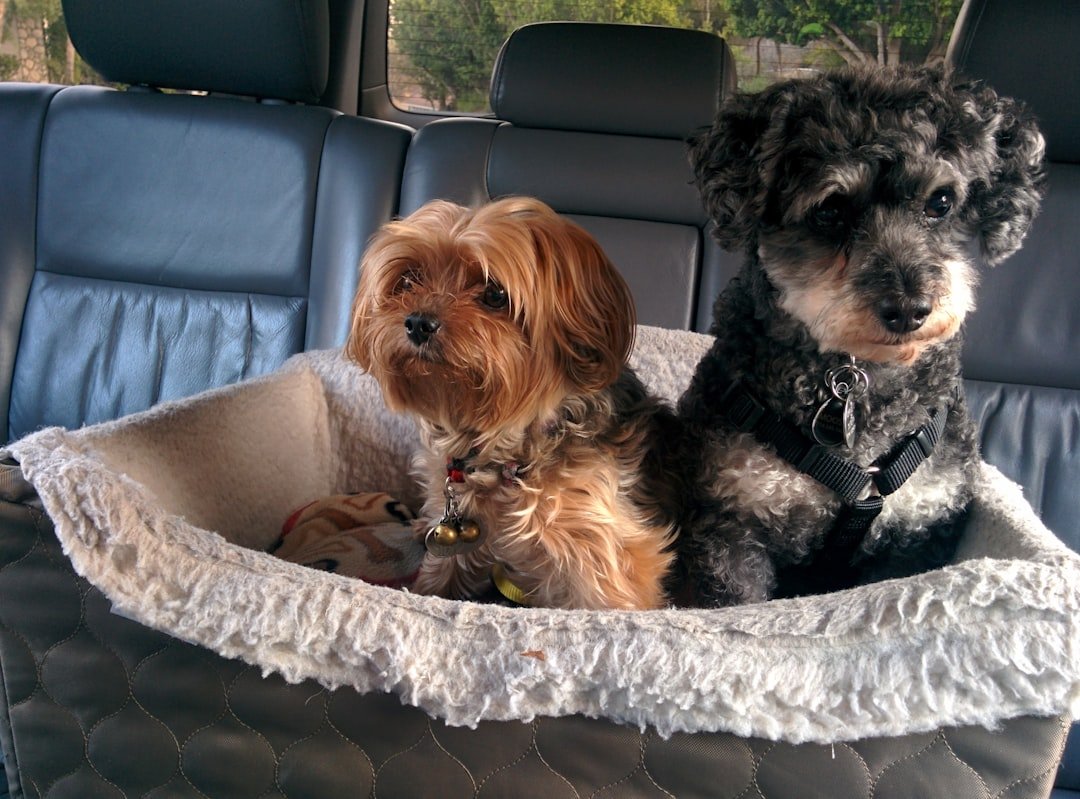
A common misconception is that the best seat covers for dogs are simply the thickest, most heavily padded covers on the shelf. They are not. The best seat covers for dogs fit the vehicle properly, block moisture before it reaches the upholstery, and come out without a wrestling match when they need cleaning. A bulky cover with loose straps can still let muddy water reach the seat base, slide under a dog during braking, and make rear-seat access irritating for everyone. Fit matters most.
For most owners, a waterproof hammock-style cover is the practical starting point because it protects the rear bench, seatbacks, and the floor gap behind the front seats in one piece. That extra front panel also gives many dogs a more contained space on normal drives. Still, it is not perfect. A hammock can block access to the rear footwell, interfere with a child seat setup, and feel awkward if adults regularly ride in back.
What makes the best seat covers for dogs waterproof and easy to clean
Waterproof is a useful word, but it gets used loosely in product listings. Some covers have a water-resistant face fabric that sheds a quick spill, while others use a bonded waterproof membrane or a coated inner layer intended to stop wet fur, snowmelt, drool, and accidents from soaking through. Read the material description. If the listing only says water-resistant, assume it may need fast cleanup after a large mess.
The fabric surface matters as much as the barrier beneath it. Smooth polyester or quilted Oxford-style fabric usually releases hair with a vacuum, brush, or damp microfiber towel more easily than fuzzy padded material. Mud is different. Dried mud may need the cover removed and rinsed, especially where it works into stitched channels and non-slip backing.
A true waterproof backing can have a trade-off. It may make a cover less breathable, so a wet dog and a warm cabin can leave moisture sitting on top longer than expected. That is normal. Take the cover out to dry after a wet trip instead of folding it into the cargo area, where trapped dampness can create odors.
Look closely at the seams. This is where many inexpensive covers give up first. A waterproof panel does little if water can wick through stitching around the seat anchors or leak at a poorly finished edge, particularly when a large dog climbs in carrying rainwater on its belly and legs.
Machine washing sounds convenient. Check the instructions anyway. Some manufacturers allow a gentle cold cycle but advise air drying because high dryer heat can damage waterproof coatings, melt buckle hardware, or warp the grippy backing. A cover that wipes clean most weeks may only need a full wash occasionally. That saves time.
Pick the cover shape before picking a brand
The right layout depends on where the dog rides. A rear-seat hammock is the common choice for a dog that uses the second row alone. It hangs from the front and rear headrests, with side flaps that often cover the door-side seat edges. Many designs also unzip in the middle or fold down one section for a passenger. Those details change day-to-day usability.
A bench cover protects the rear cushion and seatback but leaves the front footwell open. It suits households where a dog shares the back with a person, or where the front-seat headrests cannot support a hammock attachment. It is simpler. The downside is that it does not catch dirt kicked into the footwell.
Cargo liners make more sense for wagons, SUVs, crossovers, and hatchbacks when the dog rides behind the rear seats. A good cargo liner should cover the load floor, the rear seatbacks, and the bumper edge if the dog jumps in. That bumper flap is useful. It can prevent claw marks and muddy scuffs during loading, although it needs to fold away securely before driving.
Door protectors are separate pieces on many systems. They can help with slobber marks and paw scratches, but suction cups may not hold well on every window or trim panel, especially in hot weather. Test them at home. Do not count on a loose door panel staying put on a long trip.
Measure the usable seat area rather than relying only on a vehicle category such as midsize SUV. Seat widths, headrest shapes, armrests, and seatbelt positions vary more than shoppers expect. Measure the width across the seat cushion, the distance from the rear headrest to the front headrest, and the cargo floor if relevant. Keep the numbers handy.
Fit and anchoring are where cheap covers disappoint
A cover should stay put when the dog steps on it, turns around, or braces during a corner. Non-slip backing helps, but it cannot do the whole job. Look for adjustable headrest straps, seat anchors that tuck into the cushion gap, and attachment points that keep the side panels from drooping. Fewer loose panels means less annoyance.
Check the headrests first. Some vehicles have fixed or unusually shaped headrests that do not allow a strap to pass underneath, while some rear center headrests sit too low for a cover to hang correctly. A universal cover may still work, but the fit can be compromised. Verify your vehicle layout before ordering.
Seat anchors are usually small padded tabs or tubes pushed into the gap between the cushion and backrest. They help a lot on conventional seats. On deeply contoured buckets, very tight seat gaps, or seats with unusual power-fold mechanisms, they may not stay in place as well. A careful test fit is wise.
Side flaps deserve more attention than they get. They protect the exposed side of the bench when a dog enters through a rear door, but flaps without straps can curl inward and leave the trim exposed. A cover with adjustable side straps or a stable rigid insert can be cleaner in a high-traffic family vehicle. It depends on the door opening.
Do not cover or obstruct a seat-mounted airbag label, belt buckle, latch, or child-seat anchor without checking the vehicle manual and the cover maker’s guidance. Safety systems are not an accessory afterthought. If a child seat is installed in the rear, a dedicated dog area in the cargo compartment may be the safer and less complicated arrangement.
Materials that handle fur, mud, and claws
Most dog seat covers use polyester, often described as 600D Oxford fabric, with a polyurethane or similar waterproof layer underneath. Denier is a yarn-weight measurement, not a full durability score. A higher number may suggest a heavier fabric, but coating quality, stitching, buckle design, and fit have just as much to do with how the cover holds up.
Quilted covers feel more finished and can give a dog better footing than slick tarp-like material. They also trap more hair and grit in the stitched channels. That is a fair trade for a calm dog on regular outings. For a dog that sheds heavily or returns coated in sand after every walk, a simpler smooth surface may be easier to live with.
A textured non-slip top layer can help older dogs or dogs that become nervous on a sliding seat. Grip is useful. Very aggressive rubber texture may catch loose fur and be harder to wipe, however, so consider whether your main battle is traction or cleanup.
Claw resistance is another marketing phrase to read carefully. No soft removable cover is immune to a determined dog digging at a seam or repeatedly launching into the vehicle with sharp nails. Heavier fabric reduces wear, but keeping nails trimmed and using a loading ramp for an older or large dog can protect both the cover and the vehicle. Small habits help.
Color affects maintenance more than some buyers expect. Black hides dark grime but shows pale shedding fur. Beige or gray may disguise light hair but make muddy paw marks obvious. Pick the color that matches the mess you see most often, not necessarily the one that best matches the interior.
Useful details that make daily use easier
Seatbelt pass-throughs are valuable when a dog rides in a crash-tested harness or when a rear passenger needs to buckle in. The openings should close with zippers, hook-and-loop strips, or overlapping fabric when unused, otherwise dirt and moisture can slip through to the original seat. Check their location. Some universal covers place them poorly for certain vehicles.
Split-seat compatibility matters if you fold one rear section down for skis, groceries, or a passenger. Some covers have zippers that allow a 60/40 or 40/20/40 seat arrangement, but the openings do not always line up with every factory seat split. Product photos can be misleading. Find the installation instructions and compare the measurements.
A center zipper can turn a hammock into a partial bench cover, which is handy when someone needs a spot in the back. It also creates another seam that can leak or collect debris. Choose it for flexibility, not because it automatically means a better cover.
Pockets look useful for leashes and waste bags, but they are often shallow and can become a collection point for damp items. I would treat pockets as a bonus rather than a deciding factor. Secure anchors and easy removal are more valuable.
Several researched options commonly appear in this category, including 4Knines rear-seat hammocks, Kurgo’s Loft-style bench and hammock covers, Meadowlark dog seat covers, and vehicle-specific cargo liners sold through dealerships or aftermarket suppliers. Their materials, coverage, and current fit lists change by version. Compare the current dimensions, care label, return policy, and vehicle compatibility instead of buying on brand recognition alone.
Realistic trade-offs before you buy
The most protective cover is not always the easiest cover to use. Full hammocks with tall sidewalls and door guards offer broad coverage, yet they take longer to install and can be cumbersome if you often carry passengers. A simple bench cover comes off faster. It leaves more of the cabin exposed.
Machine-washable covers may use lighter construction or have more delicate hardware than a thick wipe-clean cargo liner. Thick padded covers can feel better underfoot but take longer to dry after washing. A cover with rigid inserts may hold its shape well but be harder to fold and store. Every design gives something up.
Universal covers are usually less expensive and easier to replace. Vehicle-specific liners can follow the contours of an SUV cargo area more closely, cover more carpet, and avoid bunching around trim. They also cost more and may be less useful if you change vehicles. Prices vary by region.
For a small dog that rides quietly, spending extra for massive sidewalls and reinforced stitching may not make sense. For a large dog that gets wet, sheds heavily, and climbs through the door twice a day, the extra coverage and stronger attachments can be worthwhile. Buy for the actual mess. Do not buy for an imagined expedition.
How to install and maintain a dog seat cover
Install the cover on a clean, dry seat. Vacuum loose grit first, since trapped sand can rub against upholstery underneath the cover over time. Put the headrest straps on without twisting them, push the seat anchors into the cushion gap, then tighten the straps enough to remove slack without pulling the cover into an awkward shape. Take five minutes.
After the first drive, inspect the cover around the seatbelt openings and side panels. Dogs tend to find the loose corner that looked harmless during installation. Retighten straps after the material settles and make sure no buckle, latch, or seat adjustment control is blocked.
For ordinary fur and dust, shake the cover outside and vacuum it with a brush attachment. A rubber pet-hair brush can work well on stubborn hair. Wipe fresh mud with a damp cloth before it dries, then use mild soap if the care instructions allow it. Avoid harsh solvents.
If the cover has been soaked by rain, snow, or an accident, remove it promptly and inspect the original upholstery beneath it. Even a well-made waterproof cover can leak at seams, gaps, or damaged coating. Air dry both surfaces completely. That reduces lingering odor and moisture issues.
FAQ
Are hammock seat covers safe for dogs?
A hammock cover can reduce the chance of a dog falling into the footwell during ordinary driving, but it is not a crash restraint. Use an appropriate travel harness attached as directed by its maker, or use a properly secured crate where suitable for the vehicle and dog. Containment matters.
Can I use a dog seat cover with leather seats?
Usually, yes, provided the cover has a clean non-slip backing and does not trap grit underneath. Leather can be scratched by sand and debris rubbing under any cover. Remove the cover periodically, vacuum the seat, and check for moisture after wet trips. Keep it clean.
How often should I wash a waterproof dog seat cover?
Wash it when odor, mud, or a spill calls for it, rather than following a fixed calendar. Frequent full washing can wear coatings faster on some products. Regular vacuuming and spot cleaning often keep the cover usable between washes. Follow the label.
Will a universal cover fit my SUV?
It may fit, but universal does not mean exact. Cargo floor width, rear seat angle, headrest placement, and side trim all affect coverage. Measure first and compare those measurements with the current manufacturer specifications, then confirm return terms before ordering. Check the details.
Do waterproof covers stop dog hair from getting everywhere?
They contain much of it on the covered area, but hair can still move through gaps, stick to door panels, or blow forward when doors open. A cover reduces cleanup. It does not eliminate it.
Related posts
This article is for general informational purposes only and is not mechanical, legal, financial, or insurance advice. Prices, insurance rates, tax credits, and manufacturer-stated fuel economy or EV range are estimates that change over time and vary by vehicle, region, and provider — always verify current figures with a dealer, mechanic, insurer, or official source before making a decision.
Disclosure: This post may contain affiliate links. If you click through and make a purchase, we may earn a commission at no extra cost to you. We only recommend products we’ve researched or genuinely believe in.