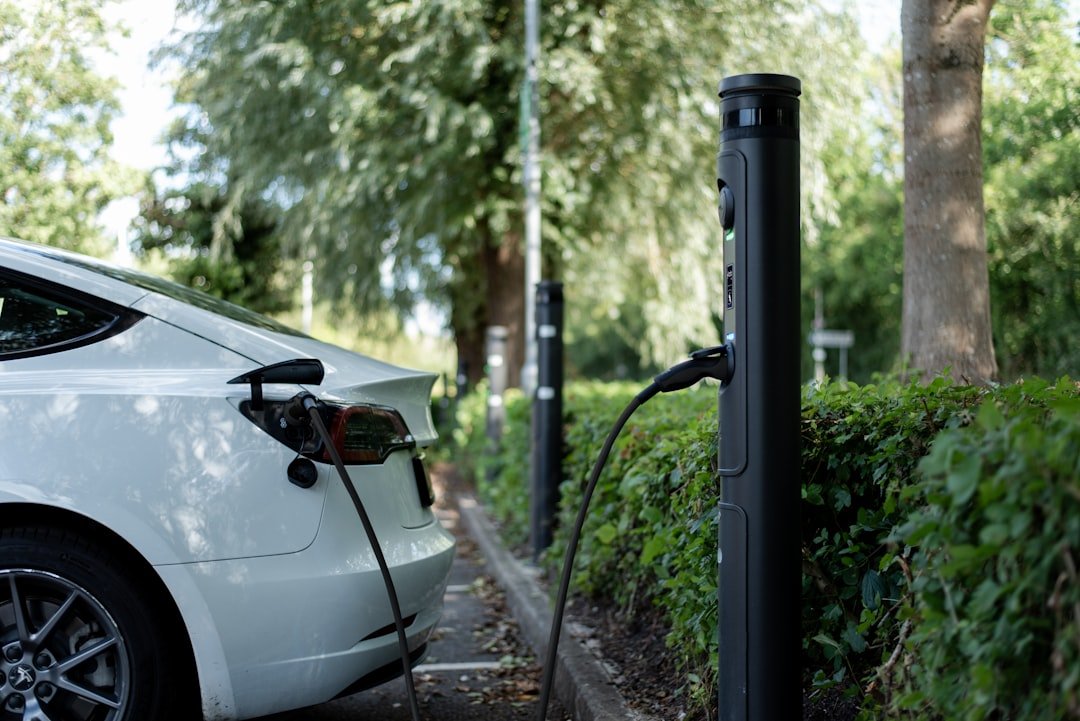
Is buying a used EV risky? It can be, but a well-kept used electric vehicle with healthy battery capacity, usable charging access, and a clean history can be a sensible purchase. Is buying a used EV risky for every buyer? No. The biggest mistake is treating it like a regular used car, because the battery, charging equipment, software support, and remaining warranty can affect ownership costs far more than an oil change ever would.
Start with the model, not the asking price. A cheap EV that cannot cover your normal week without public charging stress is rarely a bargain, while a slightly pricier one with better battery condition and reliable home charging may cost less trouble over several years.
Is buying a used EV risky?
The risk depends heavily on the specific vehicle and how you plan to use it. Battery degradation is real, although a lower range number alone does not mean the pack is bad, since cold weather, highway speed, tire choice, and cabin heat all reduce range in normal use. Context matters.
Unlike an engine car, an EV has fewer routine mechanical wear items, but its major components can be expensive if something fails outside warranty. The high-voltage battery is the obvious concern, yet the onboard charger, charge port, thermal-management system, reduction gear, suspension, and 12-volt battery also deserve attention. Repairs add up.
A used EV can make particular sense when you drive predictable daily miles, can charge at home or at work, and buy a model with enough remaining range for your actual routine. It is less appealing if you rent without dependable charging, frequently make long rural trips, or need to tow heavy loads. Be honest here.
Check battery health before purchase
Battery health is the central used-EV question, but do not judge it only by the dashboard range estimate. That number is based partly on recent driving and can look optimistic after slow city driving or disappointing after a fast motorway trip. Ask for data.
Request a battery-health report from a dealer or an EV-aware inspection shop if one is available for the model. Some vehicles provide battery state-of-health information through the car menu or a manufacturer diagnostic tool, while others require an app, scan tool, or dealer report. A seller who refuses any reasonable inspection creates a problem.
Compare the reported usable capacity or state of health with the vehicle’s original usable capacity, not simply the advertised EPA, WLTP, or other published range figure. A modest loss can be normal on an older EV, but a large unexplained drop, uneven cell readings, recurring warning messages, or rapid percentage swings deserves closer investigation. Look deeper.
Then take a proper road test. Begin with a decent charge level, drive at urban and higher road speeds, use the climate control, and watch whether the charge percentage falls smoothly without sudden drops. You do not need to drain the pack. You do need enough time to see whether the car behaves normally.
Also ask how the vehicle was charged. Frequent DC fast charging does not automatically ruin a battery, and many packs are designed to manage heat, but a car used hard in hot weather may deserve more scrutiny than one with gentler charging history. Service records help.
What to check before purchase
Check the charging hardware as carefully as the battery. Plug the car into an AC charger during the viewing if possible, confirm that the charge port locks correctly, and look for cracked plastic, bent pins, water damage, or warning lights. Tiny faults matter.
If practical, test DC rapid charging too, especially on an older EV or one with a history of public-charging use. A car may accept a plug yet charge slowly because of battery temperature, a station fault, account setup, or a vehicle issue, so do not diagnose a defect from one bad session. Try another station if the first result seems odd.
Confirm which connector the vehicle uses in your market and whether the supplied portable cable, public-charge adapter, locking wheel key, tow hook, and both key fobs are included. Replacing missing accessories is annoying. In some regions, older models may need an adapter to use parts of the growing fast-charging network.
Look underneath for impact damage around the battery enclosure. Scraped undertrays are common, but deep dents, crushed rails, damaged coolant lines, loose battery shields, or signs of a poor collision repair should make you pause. The battery pack is structural on many EVs, and inspection access can be limited without a lift.
Run a vehicle-history report where available and compare it against service invoices and the seller’s story. A rebuilt title, flood history, airbag deployment, or major underbody impact does not always make a car impossible to own, but it changes the value and may affect insurance, warranty eligibility, and repair options. Call your insurer before committing.
Check every screen, camera, parking sensor, seat heater, window, lock, USB port, and driver-assistance function. Electronics are expensive to chase down. On some EVs, a simple software update fixes a nuisance, while on others a failed display or sensor can require parts and calibration.
Verify warranty, recalls, and software support
Most EVs were sold with a separate high-voltage battery warranty that is longer than the basic vehicle warranty, but the exact years, mileage limit, capacity threshold, transfer rules, and exclusions vary by manufacturer and country. Read the terms. Do not rely on a salesperson’s summary or an old forum post.
Use the vehicle identification number to ask a dealer whether open recalls, service campaigns, battery replacements, or warranty claims appear in the manufacturer system. Also check whether the model still receives over-the-air updates or requires dealer visits for software work. An older car can still be fine, but unsupported connected features may be less useful.
Ask specifically whether the battery warranty transfers to a new owner and whether a salvage or rebuilt title cancels any remaining coverage. This can change the purchase decision quickly. Manufacturer policies and local consumer rules vary, so verify the current written terms before leaving a deposit.
Match range and charging to real life
Do a simple mileage calculation before shopping. Take your longest normal round trip, add a weather and motorway buffer, then compare that number with the car’s likely real-world range rather than its original brochure claim. Leave room.
For example, if your regular round trip is 110 miles and winter motorway driving may reduce a used EV’s practical range to 160 miles, the trip is workable but leaves less flexibility for detours, battery aging, wind, or an unavailable charger. If the same car must regularly cover 150 miles, the routine becomes much tighter.
Home charging changes the experience more than most first-time buyers expect. If you can park near an outlet or install a suitable dedicated charger, even a modest-range EV can be easy to live with because it starts many mornings charged. Public charging can work too. It just requires more planning and patience.
Check your electrical setup before purchase, especially if you live in an older property or share parking. Have a qualified electrician assess any new charging circuit, and do not assume a regular household outlet is suitable for long-term high-load charging without confirming the installation is safe. Local electrical rules apply.
Inspect the ordinary car parts too
EVs still have tires, brakes, wheel bearings, suspension bushes, cabin filters, wipers, and air-conditioning systems. Heavy EV weight can wear tires quickly, and uneven wear may point to poor alignment, worn suspension parts, or accident damage. Check the tread.
Brake discs can rust because regenerative braking reduces use of the friction brakes, particularly in wet or salty climates. During the test drive, make several firm but safe stops and listen for grinding, pulling, or vibration. A quiet car makes noises easier to hear.
Check the 12-volt battery age as well. A weak small battery can cause strange warning messages, failed startup sequences, charging issues, and intermittent electronic faults even when the high-voltage battery is healthy. It is usually cheaper than a traction battery. It can still strand you.
Use an inspection and price plan
Before handing over money, arrange a pre-purchase inspection with a shop that understands EVs and has access to the right lift, scan tools, and safety procedures. A general inspection is still useful, but the shop should be willing to check high-voltage-system fault codes, cooling components, charge operation, underbody condition, and battery-related warning history. Ask what their inspection actually includes.
- Confirm your daily mileage, longest regular trip, and charging location.
- Check the VIN for recalls, title status, and available service history.
- Review battery-health evidence and remaining battery warranty.
- Test AC charging, and test rapid charging if practical.
- Drive the car long enough to assess range behavior, brakes, tires, suspension, and electronics.
- Get an EV-capable pre-purchase inspection before final payment.
- Price the car against similar examples with comparable battery health, condition, title status, and warranty remaining.
Do not pay extra solely for low mileage. On an EV, a slightly higher-mileage car with documented service, a clean underbody, healthy battery data, good tires, and intact warranty may be the smarter buy than a garage ornament with unknown history. Condition wins.
Frequently asked questions
How much battery degradation is acceptable in a used EV?
There is no single acceptable percentage because age, mileage, original range, climate, and warranty coverage all matter. A vehicle with some capacity loss may still suit a short commute well, while the same loss can make a marginal-range model frustrating. Compare the measured condition against your required range with a sensible buffer.
Should I avoid a used EV with lots of fast charging?
Not automatically. Fast charging is part of normal EV ownership for many drivers, and battery-management systems limit charging under some conditions, but repeated hard use in high heat can be more demanding than mostly slower charging. Focus on present battery health, fault history, charge behavior, and remaining warranty. Evidence beats assumptions.
Can I buy a used EV without home charging?
Yes, if dependable charging is near your home, workplace, or routine destinations and the price reflects the inconvenience. Many owners manage this setup, but it is less convenient when chargers are busy, broken, expensive, or located far away. Test the local network first.
Are used EV repairs more expensive than gasoline-car repairs?
Routine maintenance is often lighter because there is no engine oil, exhaust system, spark plugs, or conventional automatic transmission service. Major high-voltage, collision, sensor, and charging-system repairs can be costly, especially on models with limited parts availability. Insurance quotes are worth checking before purchase.
Related posts
This article is for general informational purposes only and is not mechanical, legal, financial, or insurance advice. Prices, insurance rates, tax credits, and manufacturer-stated fuel economy or EV range are estimates that change over time and vary by vehicle, region, and provider — always verify current figures with a dealer, mechanic, insurer, or official source before making a decision.
Disclosure: This post may contain affiliate links. If you click through and make a purchase, we may earn a commission at no extra cost to you. We only recommend products we’ve researched or genuinely believe in.