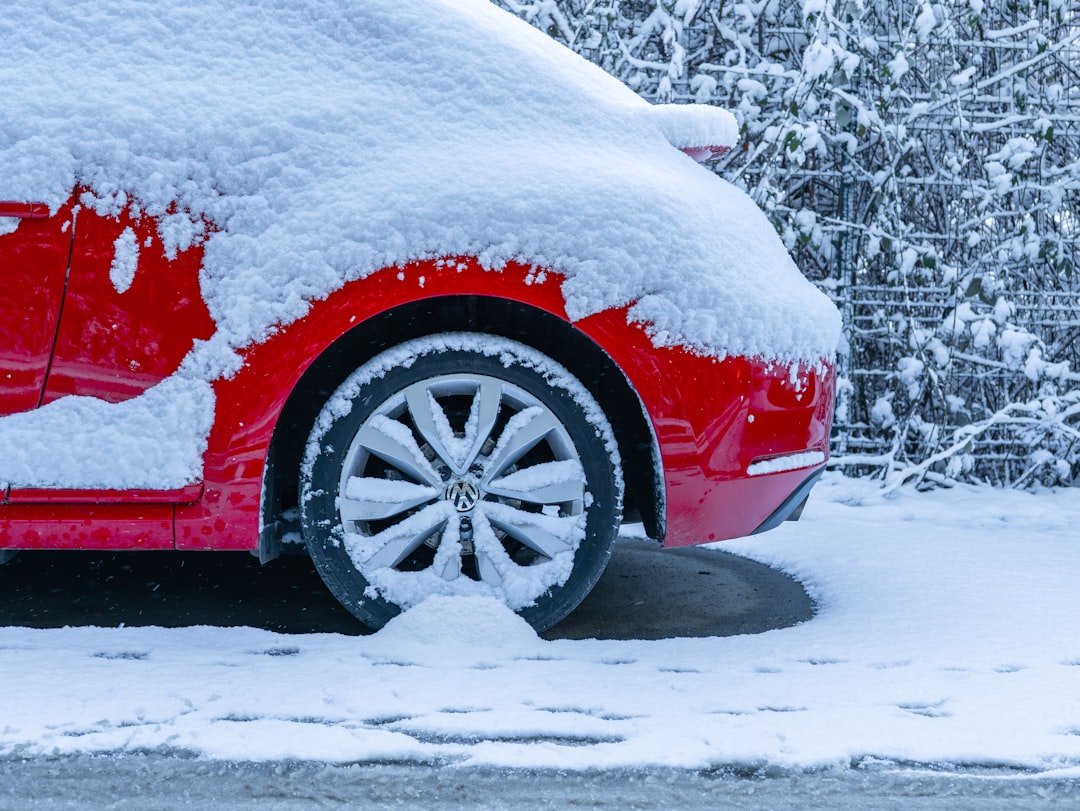
A common misconception is that an EV battery stops working or freezes solid when temperatures drop. That is not what happens to EV battery in cold weather. The battery pack stays physically intact in normal winter conditions, but its chemical reactions slow down, the car uses energy to warm the battery and cabin, and the usable driving range can fall noticeably until the pack reaches a suitable temperature. Cold changes the experience.
Most modern EVs use lithium-ion battery cells inside a sealed, insulated pack with a battery-management system. That system monitors temperature, voltage, charging speed, and power demand. The car may heat or cool the pack when needed, although the amount of thermal control varies by model. Some EVs actively warm the battery before fast charging. Others have less aggressive thermal management, so winter charging and range can feel less consistent.
The battery itself does not normally freeze at ordinary outdoor temperatures. The electrolyte inside lithium-ion cells has a far lower freezing point than water. Still, cold cells cannot move ions as freely during charging and discharging, which raises internal resistance and limits how much energy the car can deliver or accept. The effect is temporary. Once the pack warms up, much of the lost performance returns.
What happens to EV battery in cold weather
Cold weather reduces the battery’s available energy and power output, especially when the vehicle has sat outside for hours. Think of it like trying to pour thickened oil through a narrow opening. It can still move, but it takes more effort. The battery-management system protects the cells by limiting power, regenerative braking, and charging speed until temperatures improve.
That protection is deliberate. You may notice a reduced-power message, weaker acceleration in some conditions, or a charge-rate limit when you plug in. A healthy EV is not necessarily broken when this happens. It is managing battery temperature. Check the owner manual for your vehicle because warning messages and cold-weather behavior differ between manufacturers.
Range also drops because the battery is doing extra work. It may run coolant pumps, heaters, and battery-warming hardware before it can provide normal performance. At the same time, the cabin heater has to make warmth from electricity rather than using waste engine heat like a gasoline car. This can make short winter trips surprisingly inefficient, since the car spends a larger share of the journey warming itself and its occupants.
Wind, slush, and winter tires add to the loss. Cold air is denser, which increases aerodynamic drag at highway speed. Wet or snowy roads raise rolling resistance, and winter tires usually trade a little efficiency for better cold-weather grip. A long highway run in freezing rain can use much more energy than the same route on a mild dry day. Conditions matter.
There is no single winter range percentage that fits every EV. A small car without a heat pump, driven on short trips with the cabin set hot, may see a larger drop than a larger EV that starts from a heated garage and uses a heat pump. Speed matters too. At 70 mph, aerodynamic drag takes a bigger bite than it does on a slower urban commute.
Why charging takes longer when it is cold
Charging a cold lithium-ion battery quickly can cause unwanted chemical changes inside the cells. One concern is lithium plating, where lithium can deposit in a form that the battery does not use normally. The car reduces charging power to lower that risk. This is why a fast charger can feel slow when you arrive with a cold battery pack.
Preconditioning helps a lot. If your EV has a built-in navigation system that can route you to a compatible fast charger, selecting the charging stop through that system may warm the pack before arrival. The car needs time to do this. Starting a fast-charge session immediately after a short, cold drive may still result in a low charge rate.
Home charging is usually less dramatic because Level 1 and Level 2 charging are slower in the first place. Some EVs use power from the wall to warm the battery while plugged in, which can reduce the amount taken from the pack later. Others may pause or limit charging in severe cold until the pack is warmer. Read the charging section of the manual instead of assuming every EV behaves the same way.
If possible, plug in after you drive rather than leaving the car unplugged until the battery is deeply cold. The pack is often warmer after a trip, and the vehicle can use grid power for temperature management. This is easier on your usable range the next morning. It also gives the car more time to finish charging before departure.
What drivers notice on winter roads
The first thing many drivers notice is lower indicated range. The estimate may drop after the car has been parked outdoors, then improve somewhat after the pack warms during a longer drive. Do not treat the dashboard estimate like a fixed promise. It is a calculation based on recent consumption, temperature, terrain, driving style, and accessory use.
Regenerative braking may also be limited. A cold battery cannot always accept much recovered energy, so the car may reduce regen until the pack warms. The brake pedal still works through the conventional friction brakes, but the deceleration feel can change. Leave extra following distance. Winter traction and altered regen behavior are a poor combination for abrupt inputs.
Some EVs show dotted lines, a reduced regen indicator, or a message explaining that regeneration is unavailable. That is usually normal at low battery temperatures or near a full charge. Full batteries also have little room for recovered energy. If regen stays unavailable after a normal drive in mild conditions, or you see a warning light, arrange a check with a dealer or qualified EV shop.
Cabin heat is another major draw. Resistance heaters create warmth by passing electricity through an element, and they can use a meaningful amount of power on a cold commute. A heat pump can reduce that draw in many conditions by moving heat rather than creating all of it electrically, although heat-pump performance also changes as temperatures become extremely low. Your vehicle’s climate system design makes a real difference.
Tips to preserve range in cold weather
The best winter habit is simple: leave while the car is still plugged in and preconditioned. Set a departure time in the vehicle app or infotainment system if your EV supports it. The car can warm the cabin and, in some models, prepare the battery using wall power. That leaves more stored battery energy for the road. It feels better too.
- Charge before the coldest part of the day. Plug in after arriving home when the battery is warmer, then schedule charging or departure as your vehicle allows.
- Preheat while connected. Warm the cabin before unplugging instead of spending the first several miles heating cold air and cold seats.
- Use seat and steering-wheel heaters first. They warm people directly and often use less energy than turning the cabin temperature several degrees higher.
- Drive smoothly. Hard acceleration, high cruising speed, and repeated rapid passing use more energy in any season, but winter range leaves less margin.
- Keep tires properly inflated. Pressure drops as temperatures fall, and underinflated tires add rolling resistance. Use the pressure listed on the driver’s door placard, not the maximum number molded into the tire sidewall.
- Plan fast-charge stops early. Navigate to the charger through the car when battery preconditioning is available, and avoid arriving nearly empty if weather or charger availability is uncertain.
A practical rule helps on longer trips. If your usual mild-weather highway route uses 55 percent of the battery, do not assume it will use the same amount during a hard freeze. Build a larger charging buffer, perhaps planning a stop sooner rather than trying to arrive with a single-digit state of charge. The right buffer depends on your car, route, weather, and available chargers.
Reducing speed can have an outsized payoff. Dropping from 75 mph to 65 mph often saves more energy than making small changes to climate settings, especially in a tall SUV or pickup. You do not need to crawl along. Just use a speed that matches traffic and leaves a comfortable energy reserve.
Parking indoors helps, even if the garage is merely above freezing. A sheltered car starts with a warmer battery, warmer cabin, and clearer windows. If indoor parking is unavailable, try to park out of the wind and use the car’s scheduled preconditioning. Avoid idling the climate system for long periods unplugged unless you have enough charge for the next trip.
Winter charging and battery care
Cold weather does not mean you need to baby the battery. Use the car normally, follow its charging guidance, and let its thermal system do its job. The main mistake is treating a cold battery like a warm one at a fast charger, then assuming something is wrong when the charge rate is reduced. Give it time.
For daily use, many manufacturers provide a recommended charge limit below 100 percent for routine charging, while allowing a full charge when needed for a trip. Follow the guidance for your specific vehicle. A full battery may limit regenerative braking at the beginning of a drive, and leaving any lithium-ion battery at a very high state of charge for extended periods is generally not ideal unless the manufacturer says otherwise.
Do not try to warm an EV battery with external heaters, open the battery enclosure, or modify cooling lines. The pack is high-voltage equipment and is not a driveway experiment. If the charge port will not release, the car will not charge, or a battery warning appears, use the procedures in the manual and contact roadside assistance, a dealer, or a qualified repair shop as appropriate.
Also keep the basics sorted. Clear snow away from the charge-port door before connecting, inspect the cable for damage, and avoid forcing a frozen connector. If the port door or connector is iced over, use the vehicle-approved method in the manual. Hot water can refreeze in awkward places and can create its own mess.
FAQ
Can an EV battery freeze in winter?
In ordinary winter weather, the battery pack itself is unlikely to freeze like a water bottle. The more common issue is reduced chemical activity inside cold cells, which cuts available power and slows charging. The vehicle’s thermal system is designed to manage this. Extreme conditions still require following the manufacturer’s storage and charging guidance.
How much range does an EV lose in cold weather?
There is no universal number. A moderate temperature drop may have a manageable effect on a longer drive, while a very cold short commute with cabin heat can cut range much more sharply. Vehicle design, wind, road surface, speed, battery temperature, and heater use all change the result. Watch your own efficiency data over several trips.
Should I leave my EV plugged in during winter?
Usually, plugging in is convenient when you have safe access to home or workplace charging and your manufacturer permits it. The car may draw power from the grid for scheduled cabin heating or battery conditioning. Set the charge limit recommended for daily use. Verify any charging setup is rated for the outlet and equipment you are using.
Why is regenerative braking weaker in the cold?
A cold battery may not be able to accept recovered energy quickly, so the car limits regen to protect the cells. Regen can also be reduced when the battery is nearly full. As the battery warms and gains room for energy, normal regenerative braking often returns. Drive with extra space until you know how your EV feels that day.
Is fast charging bad for a cold EV battery?
The car controls charging power to protect the pack, so using a compatible fast charger in cold weather is part of normal EV ownership. It may be slower until the battery warms. Battery preconditioning before arrival can reduce the wait. Check the vehicle manual and charging display rather than relying on a charger speed you saw in warmer weather.
Related posts
This article is for general informational purposes only and is not mechanical, legal, financial, or insurance advice. Prices, insurance rates, tax credits, and manufacturer-stated fuel economy or EV range are estimates that change over time and vary by vehicle, region, and provider — always verify current figures with a dealer, mechanic, insurer, or official source before making a decision.
Disclosure: This post may contain affiliate links. If you click through and make a purchase, we may earn a commission at no extra cost to you. We only recommend products we’ve researched or genuinely believe in.