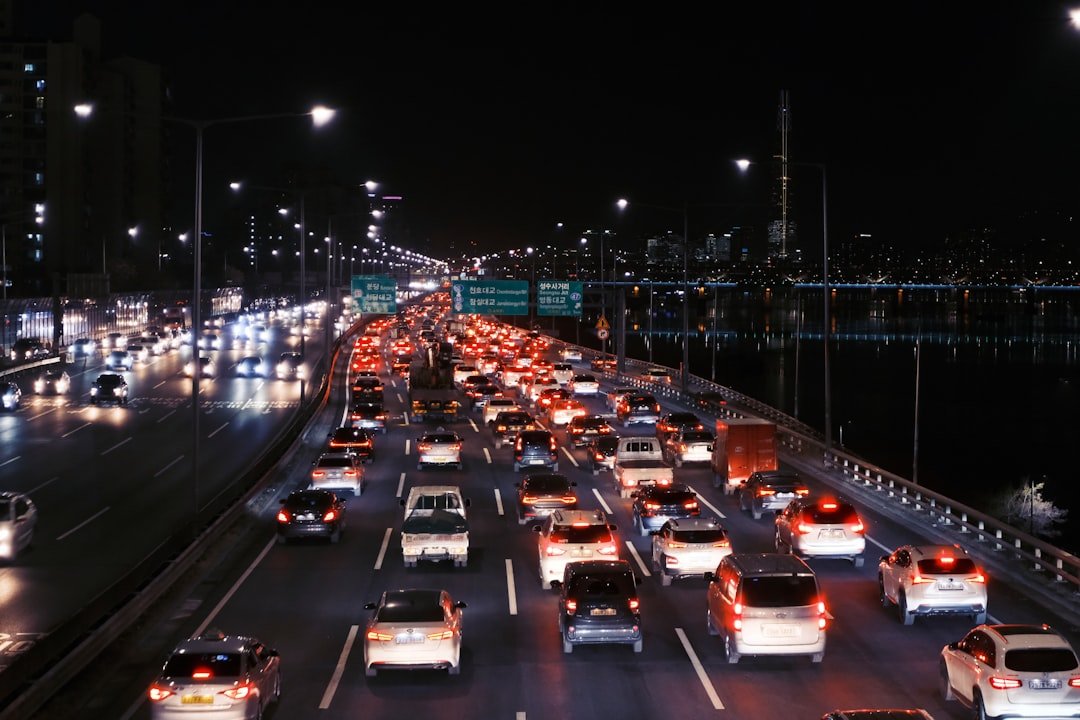
You set 70 mph on a busy motorway, then traffic ahead eases back to 58 without a full stop. How does adaptive cruise control work? It watches the road ahead, then adjusts throttle and brakes to maintain your chosen speed and following gap. How does adaptive cruise control work in that moment? A radar sensor, camera, or sensor pair detects a vehicle in your lane and tells the car’s control system how quickly it needs to respond. That is the basic job.
Adaptive cruise control, often shortened to ACC, is regular cruise control with awareness of traffic ahead. Conventional cruise control holds one selected speed until you cancel it or brake. ACC still tries to hold that speed, but it will slow down when it detects a slower vehicle and speed back up after the lane clears. It is mostly a highway tool.
How does adaptive cruise control work?
Most systems use a forward-facing radar unit behind the grille, bumper, or badge. Radar is good at measuring distance and relative speed, including at night. Many newer vehicles pair it with a camera mounted near the rear-view mirror, which helps the car identify lane markings, vehicles, and sometimes motorcycles or pedestrians. The sensor locations vary.
The system creates a moving picture of what is ahead. It measures the gap to a detected vehicle, compares that gap with the time setting you selected, and calculates whether the car can continue at the set speed. If the gap closes, ACC reduces engine power first and may apply the brakes. If the vehicle ahead changes lanes or accelerates away, your car gradually returns toward the selected speed. It does not read traffic like a person.
Following distance is normally set as a time gap rather than a fixed number of feet or metres. A two-second setting means the physical distance grows as speed rises, while a four-second setting leaves considerably more room. Most cars offer several gap settings through steering-wheel controls. Use the longer setting in rain, darkness, heavy traffic, or when towing if the owner’s manual permits ACC use with a trailer.
On a basic system, ACC may work only above a certain speed and may cancel itself when traffic slows too much. Stop-and-go ACC can brake to a full stop and, depending on the vehicle, hold the brakes for a short period before asking the driver to press the accelerator, tap a resume button, or confirm movement another way. The exact restart behavior matters. Check it before relying on the system in a queue.
The car controls acceleration through the electronic throttle and, on many vehicles, the transmission as well. For braking, it commands the electronic brake system much like stability control or automatic emergency braking does. You remain in charge. Pressing the brake pedal usually cancels cruise control immediately, while pressing the accelerator lets you temporarily exceed the set speed without necessarily cancelling the selected setting.
What the sensors can and cannot see
ACC is only as useful as its view of the road. Radar can track a vehicle through light mist or darkness better than a camera alone, but radar may have trouble deciding which vehicle matters on a tight bend. A camera can add lane context, though glare, dirt, snow, fog, and low sun can reduce what it recognizes. Sensor warnings are common.
| System input | What it helps ACC do | Common limitation |
|---|---|---|
| Forward radar | Measures distance and closing speed in front | May track the wrong vehicle on sharp curves or miss a narrow target |
| Forward camera | Helps classify vehicles and identify lane position | Performance can drop with glare, grime, snow, fog, or poor markings |
| Navigation and map data | May anticipate bends or posted speed changes on some models | Maps and local road conditions can be outdated or incomplete |
That last point explains why two adaptive systems can feel very different on the same road. One car may use radar and a camera with conservative braking. Another may use map data, lane centering, and predictive speed control, then slow earlier for a bend or a roundabout. Those added functions are separate layers. ACC itself is primarily about speed and gap control.
A clean sensor area is part of normal ownership. Ice over a grille badge, a dirty windshield in front of the camera, or bumper damage after a minor parking knock can disable the system or make it unreliable. Some repairs require sensor aiming or calibration afterward. Ask the shop whether calibration is required, especially after windscreen replacement, bumper work, alignment changes, or collision repairs.
Pros and limitations of adaptive cruise control
The main benefit is reduced workload on long, steady journeys. Instead of repeatedly lifting off and reapplying the accelerator as traffic compresses, you set a speed and let the car make small adjustments. It feels calmer. On a lightly crowded dual carriageway, that can reduce the tiring pace changes that make a long drive feel longer than it is.
ACC also encourages a more consistent following gap when used sensibly. Drivers often creep closer to a slower car without noticing, particularly on familiar roads. A longer ACC gap can help avoid that habit. It will not make an unsafe gap safe in every condition, though, because grip, visibility, load, tyre condition, and driver reaction time still matter.
Stop-and-go capability can take some strain out of commuter traffic. The car handles repeated low-speed braking and acceleration while you watch the road and stay ready to intervene. This is useful. It is not permission to look at a phone, search through menus, or mentally check out while traffic crawls.
There are trade-offs. Some systems brake later or harder than a driver would prefer, especially when another vehicle cuts in close. Others leave enough space for constant cut-ins in dense traffic, which can make the system feel indecisive. You can usually change the gap setting, but a shorter setting reduces your margin. Comfort and safety are not always the same thing.
Curves are another weak spot. On a bend, radar can sometimes see a vehicle in the next lane, a truck on an adjacent carriageway, or a target beyond the curve before it sees the vehicle you expect. The car may slow unexpectedly. Keep your foot ready near the pedals when approaching tight bends, exit ramps, roadworks, or lane splits.
Stationary objects need special caution. Many ACC systems are designed mainly to track vehicles already moving in the same direction, and their response to a stopped vehicle can depend on speed, sensor confidence, and the vehicle’s software design. A queue over a blind hill is a classic risk. Do not assume ACC will brake in time for a stopped car, debris, an animal, or an emergency scene.
Weather changes the picture quickly. Heavy rain can affect camera vision and road grip, while snow or spray can block sensors and obscure lane markings. The car may display an unavailable message. When conditions are poor, turn ACC off if you cannot trust it to maintain a sensible pace and use your own judgement instead.
Using ACC without letting it use you
Start with the longest following-distance setting until you learn the system’s behavior. Try it first on a familiar, open road in dry weather, with light traffic and clear lane markings. Keep both hands where you can steer quickly. You need to know whether your car brakes smoothly, how it reacts to a cut-in, and how it restarts after a stop.
Read the owner’s manual for the exact vehicle. This sounds dull. It answers practical questions that differ by model, including speed limits for activation, towing guidance, sensor locations, full-stop hold time, and the warnings that require immediate attention. A dealer can demonstrate the controls, but the manual is the best place to verify the vehicle-specific operating rules.
Do not use ACC as a substitute for looking well ahead. Scan beyond the vehicle that the system is following, watch brake lights several cars ahead, and notice merging traffic early. If you see a problem developing, cancel ACC and manage speed yourself. Taking over early is smoother than waiting for a late automatic response.
Lane-centering assistance can make ACC feel more capable than it is. When both systems are active, the car may manage speed and provide steering support within visible lane lines. That combination is still driver assistance, not self-driving operation. Lane markings disappear. Construction zones, faded paint, unusual junctions, and poor weather can confuse the system quickly.
Use a normal cruise setting, or no cruise control, when ACC is constantly reacting to local conditions. That can include twisting rural roads, steep crests, busy urban streets, slippery surfaces, and areas where vehicles frequently enter from short ramps. The right tool depends on the road. A quiet motorway with steady traffic is where ACC generally makes the most sense.
FAQ
Does adaptive cruise control use brakes?
Yes. Most ACC systems reduce throttle first, then apply the brakes when a slower vehicle reduces the selected gap. The strength and smoothness of braking vary by vehicle and situation. Stay ready to brake yourself.
Can adaptive cruise control see stopped traffic?
Some systems can detect and respond to stopped traffic, particularly stop-and-go versions, but you should never assume that response will occur in every situation. A stopped vehicle after a curve or hill is harder for any sensor system to handle. Watch the road ahead.
Can I use adaptive cruise control in rain or snow?
You can only use it if the system remains available and road conditions allow safe control, but poor weather is a reason for extra caution or switching it off. Longer gaps help. Snow, spray, ice, mud, and glare can block or confuse sensors while wet or icy roads also increase stopping distance.
Is adaptive cruise control the same as self-driving?
No. ACC controls speed and following distance, while some vehicles add steering assistance through lane centering. The driver must supervise the system, steer when needed, monitor traffic, and take control whenever conditions demand it. It is assistance only.
Why does my adaptive cruise control turn off?
Common causes include a blocked sensor, heavy weather, an error message, a speed outside the system’s operating range, or a condition the vehicle cannot interpret confidently. A warning light may point to the affected sensor. Clean the relevant area according to the manual, and have persistent faults checked by a qualified shop or dealer.
Related posts
This article is for general informational purposes only and is not mechanical, legal, financial, or insurance advice. Prices, insurance rates, tax credits, and manufacturer-stated fuel economy or EV range are estimates that change over time and vary by vehicle, region, and provider — always verify current figures with a dealer, mechanic, insurer, or official source before making a decision.
Disclosure: This post may contain affiliate links. If you click through and make a purchase, we may earn a commission at no extra cost to you. We only recommend products we’ve researched or genuinely believe in.