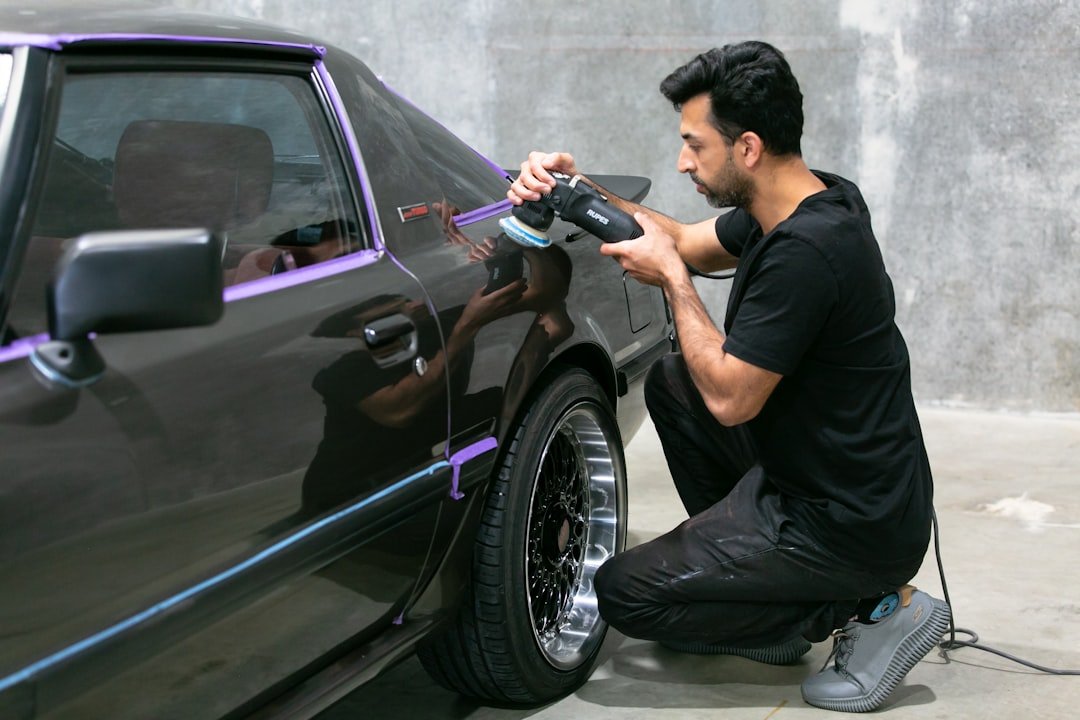
If you’ve just detailed your car or brought home a fresh purchase, the best car wax for new paint will make the difference between a finish that lasts months and one that holds for years. The real question isn’t which brand sounds fanciest — it’s which formula creates safe protection after detailing without trapping moisture or causing hazing. Most people don’t realize that applying wax too soon after paint correction actually damages the work you’ve paid for.
Why New Paint Needs Different Protection
Fresh paint is vulnerable. It hasn’t fully cured, its surface is microscopically open, and it’s been through preparation that leaves it sensitive to contamination. You’d think any wax would work — it usually doesn’t. The best car wax for new paint sits on top of the clear coat without filling microscopic imperfections or trapping water underneath, which causes oxidation and swirl marks that undo your detailing investment.
I’ve been using various wax products for over fifteen years, and the difference between applying protection at the right time versus rushing the job is staggering.
| Wax Type | Curing Time Required | Durability | Best For New Paint |
|---|---|---|---|
| Carnauba-based | 48 hours minimum | 3–4 months | Yes, high gloss finish |
| Synthetic polymer | 24 hours minimum | 6–12 months | Yes, best overall choice |
| Paste wax | 72 hours minimum | 2–3 months | No, too heavy application |
| Spray wax | 12 hours minimum | 4–8 weeks | Only as temporary bridge |
The Right Timing for Safe Protection After Detailing
This is the part that actually matters. New paint from the factory or a professional detail shop needs rest before you seal it. The clear coat is still off-gassing, the paint is still settling, and applying wax too early creates a barrier that traps moisture and prevents proper curing. The best car wax for new paint will sit on a fully cured surface, not fight against the paint’s own drying process.
Wait at least 24 hours after detailing. Forty-eight is better.
Synthetic polymer formulas offer the safest protection after detailing because they don’t require the high heat application that paste or traditional carnauba waxes demand. You apply them at room temperature, they bond chemically rather than physically, and they don’t trap air pockets that cause hazing or cloudiness on fresh paint.
What Most People Get Wrong
I’ve seen so many drivers apply wax the same day they detail their car because they’re excited about the results. The paint looks perfect, so it feels ready. But that glossy appearance is just clean, bare clear coat — not cured clear coat. Stacking protection on uncured paint locks in moisture and prevents the final hardening process, leaving you with a dull, uneven finish within weeks.
Application Checklist for New Paint Protection
- Confirm that at least 24 hours have passed since detailing or wash
- Check the weather: apply wax between 60–85 degrees Fahrenheit, no direct sunlight
- Wash the car one final time with pH-neutral soap and dry completely
- Verify the paint is cool to the touch before starting
- Work in a shaded area or garage
- Apply wax in thin, even sections using overlapping circular motions
- Allow the recommended flash time before buffing, usually 10–15 minutes for synthetics
- Buff with a clean microfiber towel, not a shop rag or old t-shirt
- Keep the car out of rain for at least 12 hours after application
Step-by-Step Application Process
Condition: New paint that’s been detailing within the past 24–48 hours
Audience: Car owners who want to protect their investment without causing damage or hazing
Method: Synthetic polymer wax applied in controlled conditions with proper timing
- Wait a minimum of 24 hours after your final wash or detail service before applying any wax product
- Choose a synthetic polymer formula rated for fresh paint, which offers safer protection after detailing than paste or carnauba alternatives
- Wash your car one more time with pH-neutral car soap and a clean wash mitt, then dry every surface with a microfiber towel
- Park in a shaded area and allow the paint to cool to room temperature, at least 60 degrees but ideally 70–75 degrees
- Apply the best car wax for new paint using a foam applicator pad in small sections, working from top to bottom
- Use light pressure and circular overlapping motions, covering each section before moving to the next
- Wait for the wax to flash or haze over, which signals it’s drying; this typically takes 10–15 minutes depending on the product
- Buff the haze away using clean microfiber towels with firm pressure, turning the towel frequently to avoid dragging dried wax
- Repeat sections 5–8 until the entire car is coated, working methodically to avoid missing patches
- Keep your vehicle sheltered and dry for at least 12 hours, preferably 24, before driving in rain or washing again
Warnings
Never apply wax to hot paint. Never use the same applicator pad for your entire car — switch to clean pads every 2–3 sections. Never drive through an automatic carwash within 2 weeks of applying synthetic wax; manual washing only. Never store the best car wax for new paint in direct sunlight or heat above 85 degrees.
My Picks for This
- Collinite 845 Insulator Wax — A synthetic formula that’s been industry standard for new paint protection, offering 4–6 months of durability without the risk of hazing on fresh clear coat.
- Meguiar’s Ultimate Liquid Wax — Easier to apply than paste wax and delivers safe protection after detailing with minimal buffing, rated for use within 48 hours of paint correction.
- Turtle Wax Hybrid Solutions Ceramic Wax — A modern ceramic blend that bonds chemically rather than sitting on the surface, ideal for owners who want longer-lasting protection on newly detailed paint without hand application hassle.
- Griots Garage Best of Show Carnauba Wax — A pure carnauba option if you prefer traditional chemistry; requires longer curing time but delivers unmatched gloss on new factory paint when applied correctly.
- Adam’s Polishes UV Ceramic Coating — For drivers willing to invest in professional-grade protection, this formula offers 1–2 years of durability and is specifically formulated for safe application after professional detailing services.
Frequently Asked Questions (FAQ)
Q1. How long does the best car wax for new paint actually last?
Synthetic polymer wax typically lasts 6–12 months depending on weather exposure, washing frequency, and driving conditions. Carnauba lasts 3–4 months. Ceramic coatings last 1–2 years. Always verify the product’s specific durability claims before purchasing, as formulations vary significantly between brands.
Q2. Can I apply wax the day I bring my new car home from the dealership?
No. Factory paint requires 48–72 hours of curing time before any wax application. The dealership’s protective coating or sealant needs time to fully harden. If you detail the car yourself first, wait 24 hours minimum before applying the best car wax for new paint.
Q3. What happens if I apply wax too soon after detailing?
You risk trapping moisture under the wax layer, which prevents the clear coat from fully curing and causes hazing, swirl marks, and oxidation. The protection that was supposed to help actually damages your paint. This is the most common mistake I see with DIY waxing on fresh paint.
Q4. Is synthetic polymer wax really better than carnauba for new paint?
For new paint specifically, yes. Synthetic polymers don’t require heat application, they cure faster, and they don’t trap air pockets the way paste carnauba can. Carnauba offers superior gloss but higher risk of hazing on uncured clear coat. Choose synthetic for safety, carnauba for show cars with extended curing time.
Q5. Do I need a professional to apply the best car wax for new paint, or can I do it myself?
You can do it yourself if you follow the timing, temperature, and application steps carefully. Most mistakes happen because people rush the process or apply in poor conditions. Work in a garage or shade, wait the full curing period, and use a foam applicator with clean microfiber towels. The technique is straightforward for any motivated owner.
Q6. Should I use a spray wax instead of liquid or paste for new paint?
Spray wax is convenient but only lasts 4–8 weeks and doesn’t provide safe protection after detailing on truly new paint. Use it as a temporary bridge if you need quick protection, but invest in a proper synthetic polymer formula for real durability on fresh paint.
Q7. How often should I reapply the best car wax for new paint?
Check your paint every 2–3 months by running a wet hand across it. If it beads less noticeably or sheeting water instead of beading, it’s time to reapply. Most owners reapply every 3–4 months for synthetic wax and every 2–3 months for carnauba to maintain consistent protection.
Related posts
This post is for informational purposes only and does not constitute professional mechanical advice, legal advice, financial advice, or insurance guidance. Automotive repairs, installations, and modifications involve inherent risks — always consult a certified mechanic or licensed professional before performing any work on your vehicle. Car prices, insurance rates, EV tax credits, product specs, and availability are subject to change without notice and may vary by location, dealership, and individual circumstances. Always verify current details directly with manufacturers, retailers, dealerships, insurance providers, and relevant government agencies before making any purchase or financial decision. Fuel economy figures, EV range estimates, and performance data referenced in this post are based on manufacturer or third-party estimates and may differ from real-world results. This site may contain affiliate links — if you purchase through our links, we may earn a commission at no additional cost to you. Product recommendations are based on general research and editorial judgment; we do not guarantee suitability for your specific vehicle, driving conditions, or personal situation. Always read product instructions, vehicle owner manuals, and safety warnings before use.