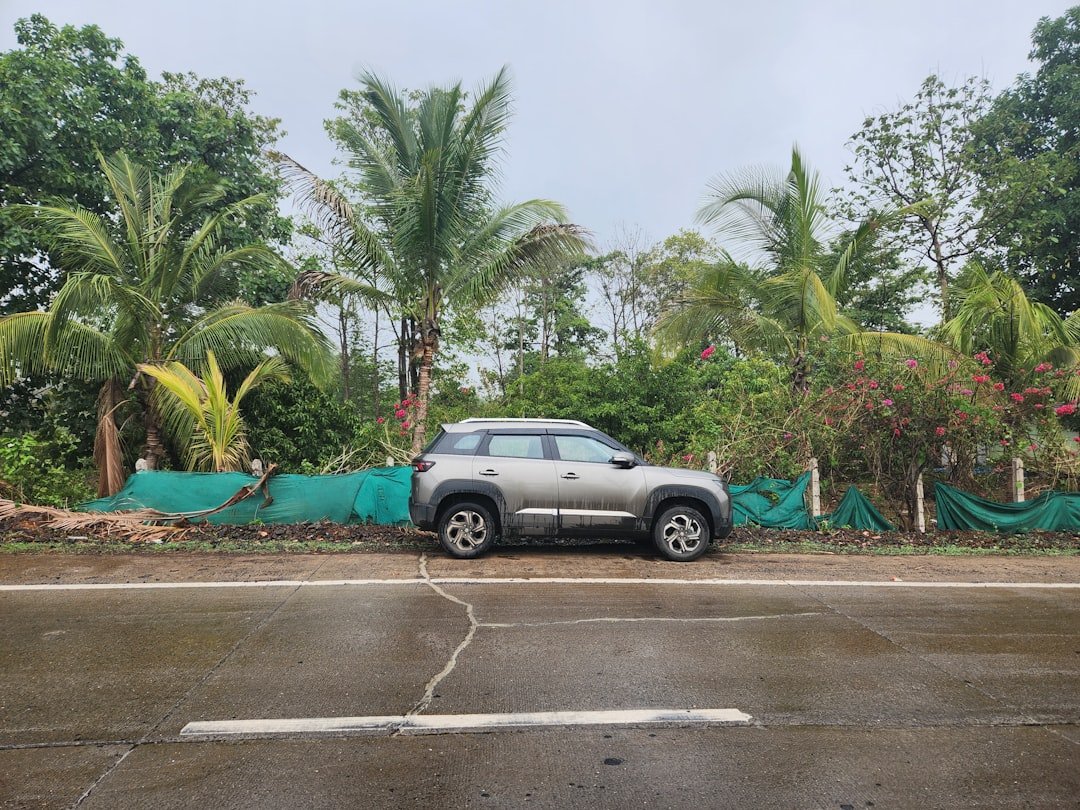
You are backing out for work, the warning lights are off, and the CX-5 feels tight and quiet. That is the typical appeal behind a Mazda CX-5 reliability review. Overall, the Mazda CX-5 reliability review is positive: these SUVs usually hold up well when oil changes, brakes, tires, and fluid services have not been skipped. Maintenance matters.
The basic recipe is sensible. Most CX-5 models use naturally aspirated 2.0-liter or 2.5-liter four-cylinder engines paired with a conventional six-speed automatic, rather than a turbocharged engine and continuously variable transmission combination that can add complexity. The turbo 2.5-liter is stronger and enjoyable, but it deserves closer inspection because a few model years have reported oil-consumption concerns. Buy condition first.
There is no perfect year. A well-kept 2016 with records can be a better purchase than a neglected 2021, especially when the older vehicle has fresh tires, sound suspension parts, and proof of regular oil changes. Check the VIN.
Mazda CX-5 reliability review by generation
The first North American CX-5 models arrived for 2013, and the major redesign came for 2017. Both generations can be solid daily drivers, although the newer cabin, safety equipment, and refinement make 2017 and later examples more appealing for many buyers. Simple engines help.
Early 2013 to 2016 CX-5s are often the least expensive entry point. The 2.0-liter engine can feel slow with passengers or highway cargo, while the 2.5-liter generally suits the vehicle better. Rust needs attention in snowy or coastal areas, particularly underneath, around suspension mounting points, brake lines, and the rear hatch area. Look underneath.
Some owners of early vehicles have dealt with windshield cracking, weak battery performance, noisy suspension links, and infotainment or Bluetooth complaints. A cracked windshield is not automatically a deal-breaker, but replacement cost rises sharply if the glass includes camera calibration for driver-assistance equipment. Ask what happened.
The 2017 redesign improved interior quality and road manners. These are commonly good used choices, but inspect the infotainment screen carefully because some Mazda Connect units can develop phantom touch inputs, screen delamination, or erratic behavior. Tap every function.
On certain 2017 through 2020 2.5-liter non-turbo vehicles, investigate any history of coolant loss, overheating, or repeated top-offs. There have been reports and manufacturer service information involving cylinder-head cracking on some engines, and the right response is a proper inspection rather than assuming every engine is affected. Coolant should stay put.
For 2018 through 2020 models, verify that all recall work was completed. Fuel-pump recalls and other campaigns can cover specific production ranges, not every CX-5 of a given calendar year, so a VIN search through Mazda or a dealer is more useful than broad internet claims. Recall repairs are separate.
The 2021 CX-5 is attractive because it has mature styling, available turbo power, and many examples have modern safety equipment. Certain turbocharged 2021 vehicles have drawn attention for excessive oil use related to valve-stem-seal concerns, so check oil level before and after an extended test drive and request service records. Do not ignore blue smoke.
Later 2022 and newer models are generally the ones shoppers seek when budget allows. They still need the same checks for battery health, tire wear, brake condition, infotainment operation, and evidence of regular servicing. Newer does not mean untouched.
Common issues by year to watch
- 2013-2016: Watch for rust, worn sway-bar links or struts, windshield damage, weak batteries, and aging infotainment or Bluetooth behavior. Test the air conditioning. A rough ride may simply mean tired tires, but clunks over sharp bumps deserve a closer look.
- 2017-2020: Check for ghost-touch infotainment problems, power liftgate faults where equipped, battery drain, and any unexplained coolant loss on the 2.5-liter engine. Start it cold. A seller who has warmed the engine before you arrive may be hiding nothing, but it removes one useful part of the inspection.
- 2021 turbo: Ask directly about oil consumption, oil-change intervals, and any dealer visits for low-oil warnings. Check the dipstick. The level should be within the marked range on level ground after the engine has sat according to the owner’s manual procedure.
- 2022 and later: Focus less on a known age-specific mechanical pattern and more on ownership history, accident repairs, electronic operation, and tire condition. Inspect the camera view. A distorted image, warning message, or malfunctioning sensor can be expensive to diagnose after purchase.
What usually lasts and what costs attention
The conventional six-speed automatic is one of the CX-5’s better points. It has a more direct feel than many CVTs and generally does not have a widespread reputation for routine catastrophic failure, provided the vehicle has not been abused, flooded, or run low on fluid. Smooth shifts matter.
Brake pads, rotors, tires, batteries, wheel bearings, and suspension links are normal wear items. AWD versions add a rear differential and transfer case, so follow the service schedule in the manual and confirm those fluids were not forgotten when the vehicle reached higher mileage. AWD adds upkeep.
Turbo models need quality oil changed on schedule, and they are less forgiving of long intervals or a low oil level. They also use more fuel than the naturally aspirated version under hard acceleration. The extra power is real.
A practical buying threshold is this: walk away or negotiate hard if the seller cannot explain coolant loss, an active warning light, an oil level below the safe range, harsh transmission engagement, or an incomplete recall history. One small flaw is manageable. Several unknowns are not.
How to inspect a used CX-5
- Run the VIN for open recalls and compare the vehicle history report with the seller’s story. Dates matter.
- Inspect the engine cold, then check for rough idle, smoke, warning lights, coolant odor, and fluid leaks after the drive. Use your nose.
- Drive it on broken pavement and at highway speed. Listen for suspension clunks, wheel-bearing hum, wind noise from damaged glass, and steering vibration.
- Operate the touchscreen, backup camera, climate controls, windows, locks, liftgate, seat heaters, and all driver-assistance warnings. Electronics age too.
- Pay an independent shop for a pre-purchase inspection, including an underbody check and scan for stored fault codes. It is cheap insurance in the practical sense, though no inspection can predict every future repair.
Service records can change the math. For example, a CX-5 priced $1,500 below similar listings may not be a bargain if it immediately needs four tires, brakes, a battery, and diagnosis for a coolant warning. Add the known work first.
FAQ
Is the Mazda CX-5 a reliable SUV?
Generally, yes. The non-turbo 2.5-liter engine and six-speed automatic are usually the lower-risk combination, but reliability depends heavily on maintenance history, climate, mileage, and whether recalls or service campaigns were completed. Records are valuable.
What is the best used CX-5 year?
A clean 2017 through 2020 non-turbo model is often a sensible balance of price, refinement, and mechanical simplicity. A later model can also be a strong choice, but compare equipment, condition, and repair history rather than buying solely by year. Inspect each one.
Should I avoid the CX-5 turbo?
No, but inspect it more carefully. The turbo makes the CX-5 much quicker, yet it adds heat, complexity, and a specific need to verify oil level and service history, especially on 2021 examples that may have oil-consumption documentation. Ask for invoices.
How many miles can a Mazda CX-5 last?
Many can reach well beyond 100,000 miles with routine care, and some go much farther. There is no guaranteed mileage number because rust, missed maintenance, driving conditions, and previous repairs matter more than the odometer alone. Condition wins.
Related posts
This article is for general informational purposes only and is not mechanical, legal, financial, or insurance advice. Prices, insurance rates, tax credits, and manufacturer-stated fuel economy or EV range are estimates that change over time and vary by vehicle, region, and provider — always verify current figures with a dealer, mechanic, insurer, or official source before making a decision.
Disclosure: This post may contain affiliate links. If you click through and make a purchase, we may earn a commission at no extra cost to you. We only recommend products we’ve researched or genuinely believe in.