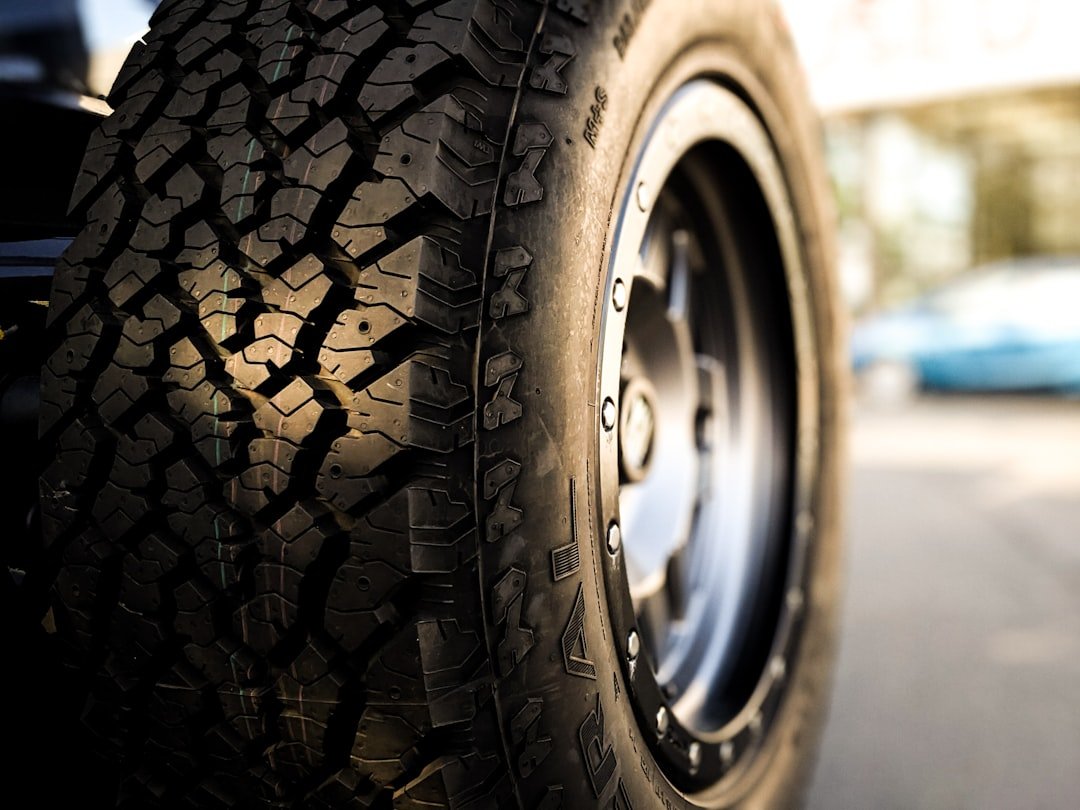
Why does my car shake at highway speed? Most often, a tire or wheel is out of balance, damaged, worn unevenly, or no longer running true. Start there. If you are asking why does my car shake at highway speed, pay close attention to the speed, where the shake is felt, and whether braking or acceleration changes it. Those details point you toward the right inspection instead of replacing parts at random.
Why does my car shake at highway speed?
A vibration that begins around 50 to 75 mph is commonly related to rotating parts, especially tires and wheels. The faster they turn, the more obvious a small imbalance becomes. Location matters. A shake mainly in the steering wheel usually points toward a front tire, front wheel, or front suspension issue, while a vibration through the seat, floor, or rear of the vehicle often comes from the rear tires, rear wheels, or driveline.
Do not ignore a new severe shake. A tire with a bulge, exposed cords, a deep sidewall cut, missing lug nuts, or visibly loose wheel should be inspected before more highway driving. Stop first. A mild vibration may be an inconvenience, but a damaged tire or loose wheel can become a much bigger problem quickly.
| What you feel | Likely area to inspect | Useful first check |
|---|---|---|
| Steering wheel shakes at 55 to 70 mph | Front tires, wheels, balance, tie rods | Check tire pressure, tread condition, and missing wheel weights |
| Seat or floor shakes at speed | Rear tires, rear wheels, driveline | Look for uneven tread, bent rims, or loose wheel hardware |
| Shake appears only while braking | Brake rotors, pads, calipers, suspension | Note whether the brake pedal pulses or the steering wheel moves |
| Shake worsens under acceleration | CV axles, driveshaft, engine or transmission mounts | Notice whether it fades when you lift off the throttle |
| Thump or wobble at lower speeds too | Damaged tire, separated belt, bent wheel | Inspect each tire closely and avoid highway speeds |
Common causes explained
Wheel balance is off
Wheel balancing is the usual first suspect when the car feels smooth around town but develops a steady shake at a particular highway speed. Small weights are attached to the wheel to offset tiny differences in mass around the tire and wheel assembly. They can fall off. Mud packed inside a wheel, ice buildup in winter, or a tire that has shifted slightly on the rim can create a similar feeling.
The vibration often peaks in a narrow speed range, perhaps near 60 mph, then may feel less noticeable above or below that point. That pattern is useful. A tire shop can spin-balance the wheels and check whether a wheel or tire needs an excessive amount of weight, which may suggest a bent wheel or tire problem. Ask for an inspection, not only a balance.
A tire is damaged or wearing unevenly
Tires can look acceptable at a quick glance and still cause a highway shake. A broken internal belt, uneven internal construction, a flat-spotted tire, or a tire that has gone out of round can make the whole vehicle feel as if it is hopping. Look closely. Run your palm gently across the tread after the tire has cooled and feel for high and low patches, feathering, or cupping.
Cupping looks like repeating scallops around the tread and often means the tire has been bouncing rather than staying firmly planted. Worn shocks or struts can contribute, as can loose suspension parts or poor alignment. Replacing only the tire may quiet the shake, but the wear can return if the underlying cause remains. The tire tells a story.
Check sidewalls too. A bubble or bulge in a sidewall can indicate broken internal cords, and that tire should not be treated as a balancing problem. It needs prompt professional attention. Do not gamble here. Tire age also matters, even when the tread appears deep, so check the date code and follow the vehicle and tire maker guidance for inspection or replacement.
A wheel is bent or cracked
Potholes, curbs, and rough road impacts can bend an alloy wheel or dent a steel wheel enough to create vibration. Sometimes the bend is on the inner lip, where it is easy to miss with the wheel installed. Look inside. You may see a scraped area, cracked alloy, or a section of rim that does not match the rest of the wheel.
A basic spin balance can improve a bent-wheel vibration, but it may not eliminate it. A road-force balance, where available, can help identify a tire or wheel assembly that does not roll smoothly under load. The shop may recommend wheel repair or replacement depending on the damage. Cracked wheels need careful evaluation because air loss and structural failure are real concerns.
Tire pressure or tire mismatch is wrong
Low tire pressure does not always create a classic steering-wheel shake, but it can make an existing problem much more noticeable and can damage the tire over time. Check pressures cold. Use the pressure listed on the driver-door placard, not the maximum pressure molded into the tire sidewall.
Mismatched tires can also make a vehicle feel unsettled. This is especially relevant on all-wheel-drive vehicles, which may require closely matched rolling circumference across all four tires. A tire with substantially different wear, size, or construction can affect how the system behaves. Check the owner manual before mixing tires or replacing only one.
Alignment or worn steering and suspension parts
Alignment itself usually causes pulling, crooked steering-wheel position, or uneven tire wear more than a clean highway-speed vibration. Still, alignment problems often travel with worn parts. A loose tie-rod end, ball joint, control-arm bushing, wheel bearing, or worn strut can let the wheel move around enough to turn a small tire issue into a large shake.
Listen for clues. Clunks over bumps, wandering on the highway, a steering wheel that needs constant correction, or uneven tread wear deserve an undercar inspection. Do not test suspension looseness by crawling under a vehicle supported only by a jack. Use proper stands and wheel chocks, or let a shop inspect it.
Brake rotors or calipers
If the car is smooth while cruising but shakes when you press the brake pedal, focus on the brake system. A steering-wheel shudder under braking often involves front brake rotors, though pad deposits, uneven rotor thickness, sticking caliper hardware, or worn front suspension parts can produce similar symptoms. Brake pedal pulsation is another clue.
Heat is often part of the picture. A dragging caliper can overheat one rotor and create uneven braking behavior, sometimes with a burning smell or one wheel that feels much hotter than the others after a drive. Avoid touching hot wheels or rotors. A brake inspection should include pad condition, rotor measurements, caliper movement, and brake-hose condition.
CV axles, driveshafts, and mounts
A shake that gets stronger only when accelerating points away from simple wheel balance and toward the driveline. Front-wheel-drive and many all-wheel-drive vehicles can develop vibration from a worn inner CV joint or axle. It may be quiet when coasting. In rear-wheel-drive trucks and SUVs, a driveshaft, universal joint, center support bearing, or pinion angle issue can produce a floor vibration that rises with road speed.
Engine and transmission mounts can contribute as well, particularly if vibration changes sharply when shifting between drive and reverse or when applying throttle. These faults need diagnosis rather than guesswork. Driveline parts rotate fast, and a shop should inspect anything loose, leaking, bent, or worn around the axle or driveshaft.
How to narrow it down safely
You can collect useful information before scheduling a tire shop or repair visit. Keep the test simple and use a safe, familiar road with light traffic. No heroics. If the shake is severe, skip the road test and arrange an inspection instead.
- Record the speed range. Note when the vibration begins, where it is strongest, and whether it changes above that speed.
- Identify where you feel it. Steering wheel usually suggests the front. Seat, floor, or body shake often suggests the rear or driveline.
- Try gentle acceleration and coasting. If it changes with throttle position at the same speed, mention that to the technician.
- Notice braking behavior. If the shake appears only during braking, avoid repeated hard stops and request a brake inspection.
- Check tires cold. Verify pressure, look for damage, and inspect tread for uneven wear or embedded objects.
- Look at wheel hardware. Confirm every wheel has its lug nuts or bolts and that nothing looks obviously loose, damaged, or missing.
Here is a practical example. If the steering wheel starts shaking at 62 mph, disappears near 45 mph, and the car does not pull or vibrate during braking, front-wheel balance or a front tire issue is a sensible first inspection. If the vehicle shakes only at 62 mph while accelerating uphill but smooths out when you lift off, tell the shop that exact detail because an axle or driveline check moves higher on the list.
What to ask a tire or repair shop
Describe the symptom instead of asking for a specific part. Say when it happens, where you feel it, and what changes it. That helps. A useful request is: inspect all tires and wheels for damage and uneven wear, verify wheel torque to the manufacturer specification, then check balance and runout before moving on to suspension or driveline diagnosis.
If balancing is recommended, ask whether the shop found a bent wheel, excessive radial runout, a separated tire belt, or an unusual amount of balance weight. If a tire has uneven wear, ask what caused it. A good inspection should not stop at the visible symptom when worn steering, suspension, or brake parts may be behind it.
Prices vary by region, wheel size, vehicle type, and the actual fault. Verify the estimate, parts warranty, and recommended repair order with the shop before approving work. A basic balance may be relatively inexpensive, while tires, suspension parts, brake repairs, or driveline work can cost far more.
When you should stop driving
Pull over and arrange help if the vehicle suddenly develops a violent shake, the steering wheel jerks, a tire looks low or bulged, you hear loud banging, or a wheel appears loose. Trust the warning. Continued driving can damage the vehicle further and may reduce your ability to control it.
A gradual, mild vibration is less urgent but still deserves attention soon, especially before a long trip. Tire damage and uneven wear rarely improve on their own. Catching a balance issue or worn tire early is generally easier than waiting until it damages other parts.
Frequently asked questions
Can bad wheel balance make my car shake only at highway speed?
Yes. An out-of-balance wheel often feels most noticeable within a specific highway-speed range because rotational forces increase as speed rises. It is common. The shake may be mainly in the steering wheel if the affected wheel is at the front, though rear-wheel imbalance can be felt through the seat or floor.
Why does my car shake at highway speed but not around town?
Many tire and wheel faults are too subtle to notice at lower speeds. Once wheel rotation increases, a small imbalance, bent rim, tire belt problem, or out-of-round tire can create a vibration you can clearly feel. Speed exposes it. A careful tire and wheel inspection is usually the sensible starting point.
Can an alignment fix highway-speed vibration?
An alignment can correct pulling and uneven tire wear, but it does not usually cure a vibration by itself. It may help if poor alignment has worn the tires unevenly or if a worn suspension component affected alignment angles. Inspect the tire condition and suspension parts before assuming alignment is the whole answer.
Is it safe to drive with a shaking steering wheel?
It depends on the severity and cause, but a new or worsening shake should be taken seriously. Stop driving if there is a bulged tire, loose wheel hardware, severe wobble, unusual noise, or loss of steering control. For a mild vibration, avoid high speeds until a tire or repair shop can inspect it.
Related posts
This article is for general informational purposes only and is not mechanical, legal, financial, or insurance advice. Prices, insurance rates, tax credits, and manufacturer-stated fuel economy or EV range are estimates that change over time and vary by vehicle, region, and provider — always verify current figures with a dealer, mechanic, insurer, or official source before making a decision.
Disclosure: This post may contain affiliate links. If you click through and make a purchase, we may earn a commission at no extra cost to you. We only recommend products we’ve researched or genuinely believe in.