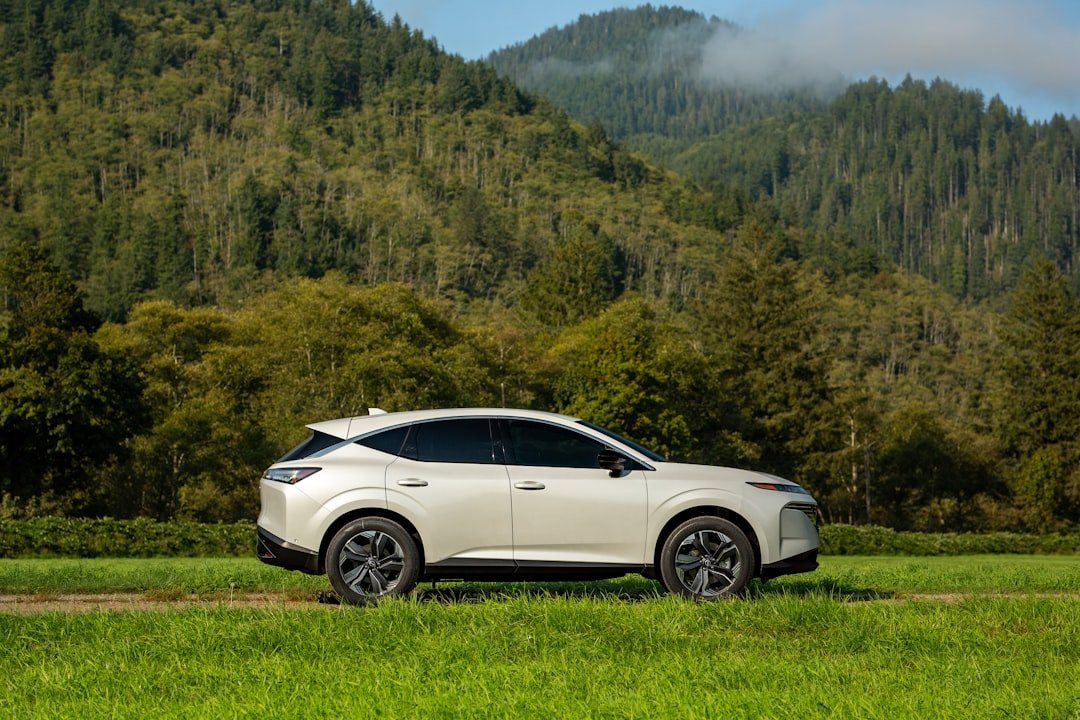
Check the VIN for open recalls, then pay for a pre-purchase inspection that includes a long road test and a scan for transmission codes. That is the best next step. Is the Nissan Rogue reliable long term? It can be, especially when it has documented maintenance and no signs of CVT trouble, but the answer depends heavily on model year, mileage, and how the previous owner treated it.
The Rogue has many things going for it: useful cargo space, comfortable seats, decent fuel economy, and widely available parts. Its weak spot is well known. Nissan’s continuously variable transmission, usually called a CVT, has had a more uneven record than a conventional automatic transmission in several older Nissan models. A Rogue that shifts smoothly, has clean fluid history, and has been driven gently can last well. One with a neglected or overheating CVT can become expensive fast.
Is the Nissan Rogue reliable long term by model year?
There is no single Rogue reliability answer because Nissan has used different engines, transmissions, electronics, and interior components across its generations. Start with the exact year. In the North American market, most 2014 through 2020 Rogues use a 2.5-liter four-cylinder engine paired with a CVT. These are common used vehicles, so a buyer can usually find a similar example with better records instead of settling for a questionable one.
The 2.5-liter engine itself is generally a straightforward part of the package when oil changes have been kept up. It is not the main worry. Watch for oil leaks, rough cold starts, warning lights, and overdue spark plugs or coolant service as mileage rises. Those are normal ownership items, but skipped maintenance makes any used SUV a gamble.
The CVT deserves most of the attention on older Rogues. Some owners have reported shuddering, delayed response when pulling away, whining noises, loss of power after extended driving, or a warning light connected to transmission faults. Not every Rogue develops these problems. Still, a smooth ten-minute test drive around the block is not enough to judge one.
Take an older Rogue on a longer drive. Let it reach normal operating temperature, then include city traffic, a steady highway stretch, several moderate accelerations, and a hill if one is nearby. The transmission should respond consistently. Any surging, flare in engine rpm without matching acceleration, repeated hesitation, or hot smell deserves a shop inspection before money changes hands.
The redesigned 2021 Rogue initially used a newer 2.5-liter engine and CVT, while later versions in many markets moved to Nissan’s 1.5-liter variable-compression turbocharged three-cylinder. These newer Rogues have a more modern cabin and driver-assistance hardware. They also have less time on the road than the older generation. That matters.
A newer 1.5-liter turbo Rogue may be a sensible choice, but it has more complexity than the older naturally aspirated 2.5-liter setup. Turbocharging, direct injection, variable compression hardware, and a CVT put more systems in play over high mileage. Buy based on condition and records, not simply because the odometer is lower.
What owners report after several years
What owners report often lines up with the Rogue’s basic reputation: many people like the comfort, space, visibility, and easy daily driving, while the transmission creates most of the long-term anxiety. Happy owners commonly mention routine service and uneventful commuting. Dissatisfied owners often describe drivability complaints that begin intermittently, which makes them especially frustrating to diagnose.
Interior wear varies. The Rogue is a family-oriented crossover, and heavily used examples can show worn seat bolsters, scratched cargo trim, tired door seals, and rattles before the major mechanical pieces fail. None of that automatically makes it a bad purchase. It does reveal how carefully the vehicle was used.
Owners also report occasional battery, sensor, camera, infotainment, and driver-assistance glitches, especially as vehicles age. Electronics can be annoying. Before buying, test every power window, lock, seat adjustment, camera view, USB port, climate-control setting, steering-wheel button, and safety alert you expect to use. A warning light that “just came on” is never a small detail until a scan proves otherwise.
Online owner reports are useful for identifying patterns, but they are not a failure-rate study. People with a major problem are more likely to post than people whose crossover started normally that morning. Use reports to create an inspection checklist, then judge the specific Rogue in front of you.
The CVT is the deciding factor
A CVT does not shift through fixed gears the way a traditional automatic does. Instead, it changes ratios continuously. That can help fuel economy and keep the engine in its power band, but it also means fluid condition, heat, and internal wear matter a great deal.
Ask for proof of transmission service. A seller saying “it was maintained” is not proof. Look for dated invoices that identify the mileage, the work performed, and ideally the correct Nissan-specified fluid. A generic fluid receipt or an unclear quick-lube note should lead to more questions.
Service intervals depend on the model year, driving conditions, and manufacturer guidance. Check the owner’s manual. Stop-and-go commuting, hot weather, steep grades, towing, and long idling can be harder on a CVT than easy highway miles, so a vehicle used in those conditions deserves closer scrutiny.
If a used Rogue has 60,000 miles or more and no verifiable CVT service history, treat that history as unknown. Price the vehicle accordingly. A qualified Nissan dealer or independent transmission shop can inspect for stored codes, leaks, abnormal operation, and signs that the transmission has already been replaced or repaired, though no inspection can predict every future failure.
Do not assume a transmission fluid change will cure a slipping or shuddering CVT. It may help when maintenance was simply overdue, but a worn internal component will need a proper diagnosis. Pushing a failing transmission until it quits can turn a manageable problem into a much larger bill.
How to shop for a long-term Rogue
Condition beats a bargain price. A cheap Rogue with vague history can cost more than a cleaner example after one major repair. Compare several vehicles, because Rogues are common enough that patience usually pays off.
- Start with the vehicle history report. Look for accident records, frequent ownership changes, branded title status, and mileage gaps.
- Request maintenance invoices. Prioritize oil changes, CVT-related work, cooling-system service, and recall documentation.
- Run the VIN through Nissan and the relevant government recall database. Confirm open safety recalls are completed before purchase.
- Drive it cold and warm. Listen at startup, then repeat acceleration checks after at least 20 to 30 minutes of driving.
- Get an independent inspection. Ask the shop specifically to assess CVT behavior, engine leaks, brakes, suspension, tires, and diagnostic codes.
- Check the tires closely. Uneven wear can point to alignment, suspension, or accident-repair issues.
A practical budget rule helps. If buying an older Rogue outside warranty, keep a repair reserve instead of spending every dollar on the purchase price. Even routine catch-up work such as tires, brakes, a battery, fluids, and suspension repairs can add up quickly. Transmission repairs can cost several thousand dollars, depending on the vehicle, location, and repair route, so verify estimates with local shops before committing.
Who should buy one?
A well-kept Rogue can suit a driver who wants a compact SUV for commuting, errands, small-family duty, and occasional road trips. It is usually more appealing when the price reflects its history and when a local shop familiar with Nissan vehicles is available. Keep records. That helps the next owner too.
It is less appealing for a buyer who wants the lowest possible mechanical risk at very high mileage, plans to tow regularly, or cannot absorb a surprise transmission expense. In that case, compare it carefully with compact SUVs that use conventional automatic transmissions. The specific alternatives depend on budget, market, and available local inventory.
For a newer Rogue still covered by a manufacturer or extended warranty, read the actual coverage terms rather than relying on a salesperson’s summary. Confirm the deductible, excluded components, transfer rules, claim process, and whether required maintenance documentation affects coverage. Warranty language matters.
FAQ
How many miles can a Nissan Rogue last?
A cared-for Rogue can reach well beyond 100,000 miles, and some go much farther. There is no guaranteed mileage. The biggest variables are CVT condition, routine oil and fluid service, corrosion exposure, driving habits, and whether early symptoms were repaired instead of ignored.
Are newer Nissan Rogues more reliable than older ones?
Newer Rogues benefit from newer designs and lower average mileage, but they also have more complex powertrains and electronics. Time will give a clearer long-term picture. A documented 2021 or later example may be preferable to an abused older Rogue, but a clean inspection still matters more than the badge year alone.
What are the warning signs of a bad Rogue CVT?
Pay attention to shuddering, hesitation, whining, delayed engagement, overheating warnings, engine revs that rise without normal acceleration, or a check-engine light. Stop guessing. Have the vehicle scanned and road-tested by a qualified shop before buying or continuing to drive with persistent symptoms.
Should I avoid a Rogue with no transmission records?
For an older or higher-mileage Rogue, missing CVT records are a legitimate reason to walk away or negotiate a lower price after an independent inspection. There are enough Rogues on the used market that you do not need to buy the first one available. Documentation has value.
Related posts
This article is for general informational purposes only and is not mechanical, legal, financial, or insurance advice. Prices, insurance rates, tax credits, and manufacturer-stated fuel economy or EV range are estimates that change over time and vary by vehicle, region, and provider — always verify current figures with a dealer, mechanic, insurer, or official source before making a decision.
Disclosure: This post may contain affiliate links. If you click through and make a purchase, we may earn a commission at no extra cost to you. We only recommend products we’ve researched or genuinely believe in.